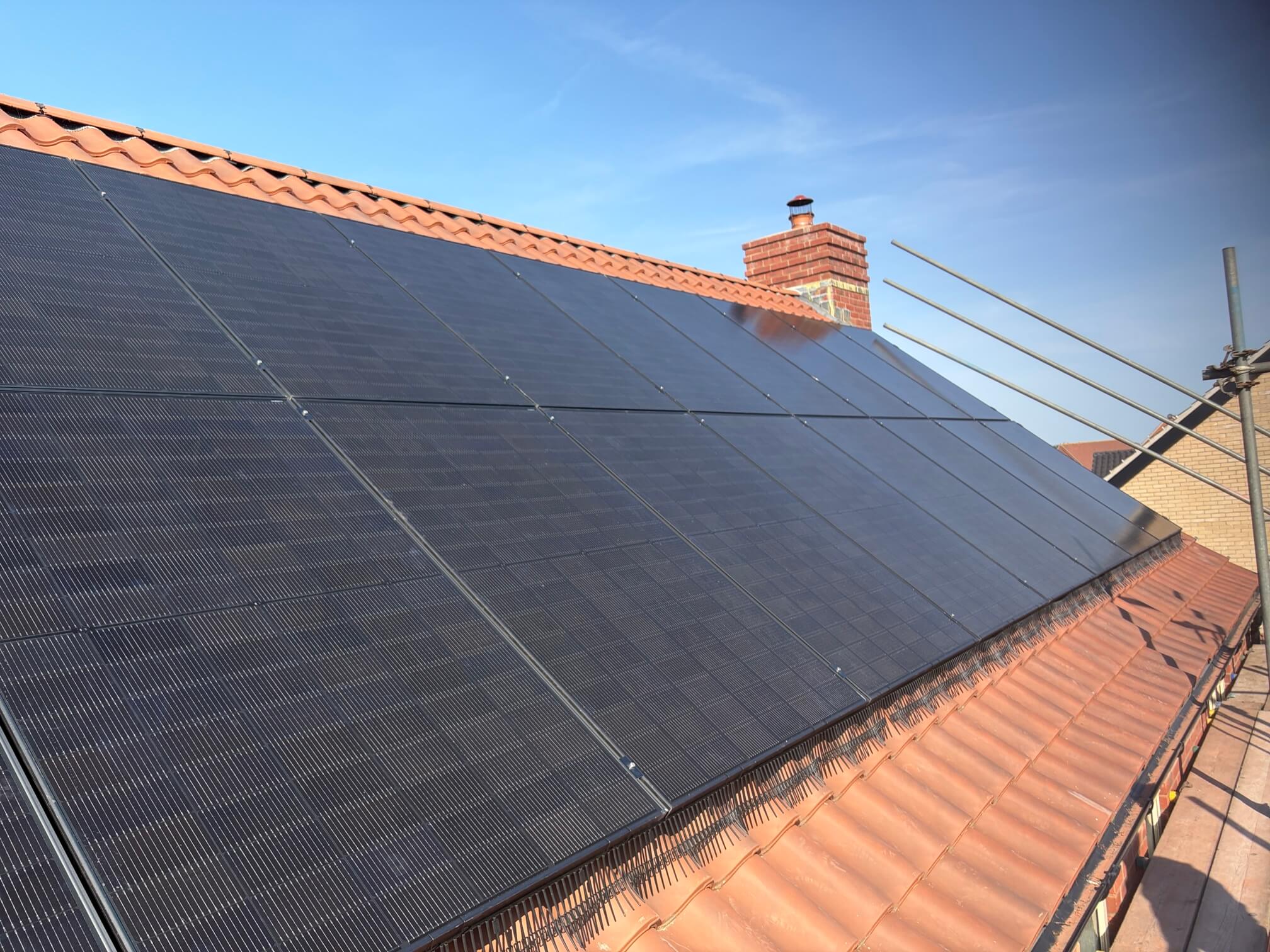
Completed roof-mounted solar panel array on a Great Ellingham home

Solar PV and Hybrid Inverter Installation in Great Ellingham

Ets. yearly savings

£1,705

Installation size

7.74kW

Est. yearly Co2 savings

1,450kg

Est. yearly energy

7,000kWh

Google Reviews
Google Reviews
4.9

Electric11 installed a 7.74 kW solar PV system with a Fox ESS 10 kW hybrid inverter and battery equipment at a detached home in Great Ellingham, Norfolk. The project included a high-efficiency roof-mounted panel array, carefully routed cabling, dedicated protection, system testing and final commissioning. The completed system now generates renewable electricity, reduces reliance on the grid and stores surplus power for later household use.

Project Overview

DetailSpecification
LocationGreat Ellingham, Norfolk
PropertyDetached residential home
Project typeResidential solar PV installation
Estimated array size7.74 kW, subject to final design confirmation
InverterFox ESS 10 kW hybrid inverter
Solar panelsHigh-efficiency roof-mounted panels
Energy storageFox ESS battery equipment shown in the installation photographs
Main workSolar panel mounting, inverter and battery equipment, cabling, isolation, protection, testing and commissioning

The Brief

The homeowner wanted to generate more electricity on site and reduce reliance on energy imported from the grid. The broad, unshaded roof offered useful space for a substantial residential array.

A high-output home energy system

The system needed to make effective use of the available roof area while integrating cleanly with the property’s electrical supply. A hybrid inverter was selected to manage solar generation and support battery storage as part of one coordinated home energy system.

Electric11 planned the equipment positions, roof layout, cable routes and protective devices before installation. This approach kept the visible external work tidy and allowed the key controls to remain accessible for inspection and maintenance.

Solar PV system design

The design brought together the roof array, hybrid inverter, storage equipment and electrical infrastructure. Each part was positioned to support efficient operation and straightforward access.

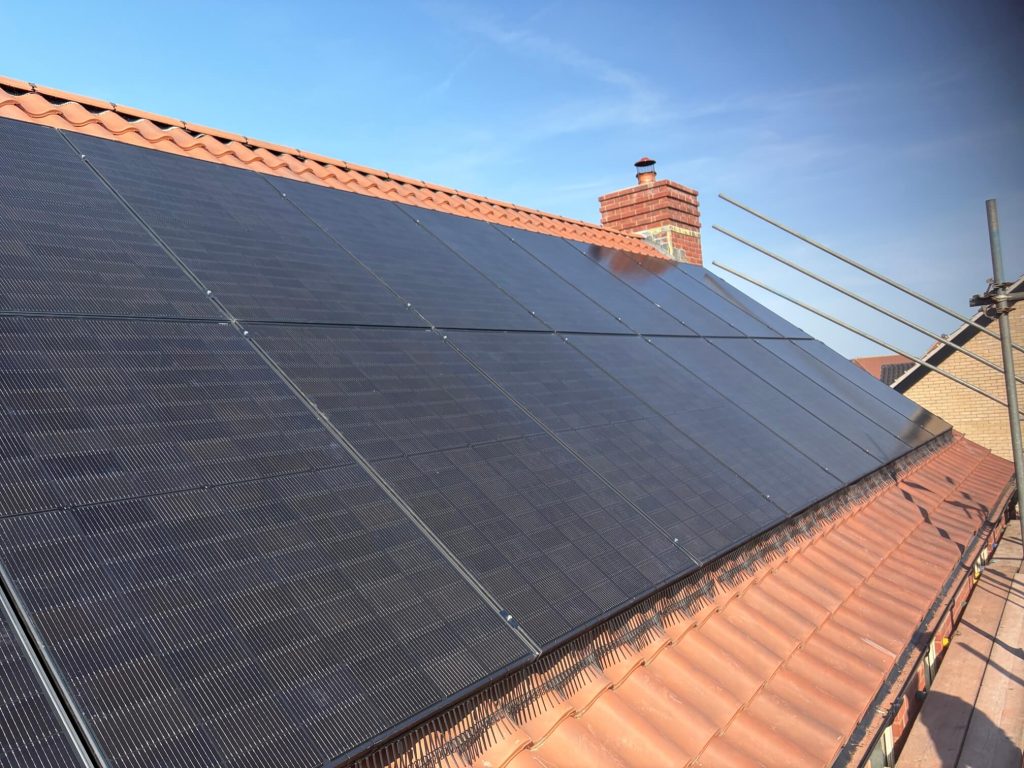
Roof-mounted solar panel array

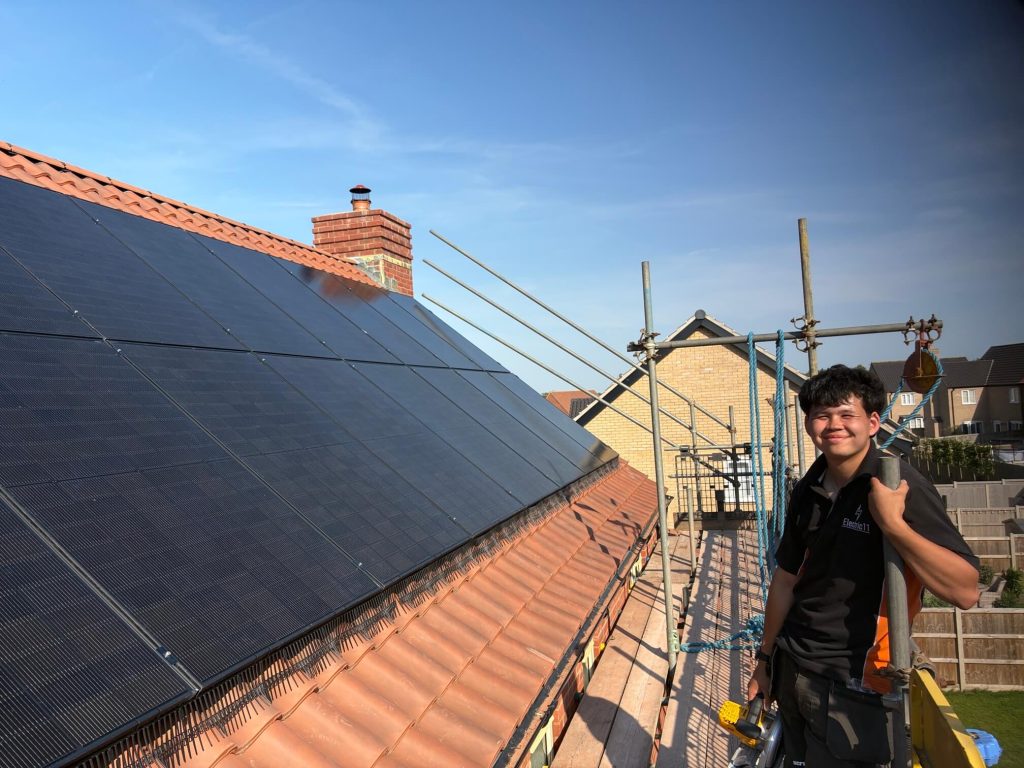
The high-efficiency panels were arranged across the main tiled roof to capture available daylight while maintaining appropriate clearances around the chimney and roof edges. Black modules and dark mounting components create a consistent finish against the red roof tiles.

Homeowners considering a similar project can learn more about Electric11’s work as a solar panel installer in Norfolk.

Fox ESS hybrid inverter and battery equipment

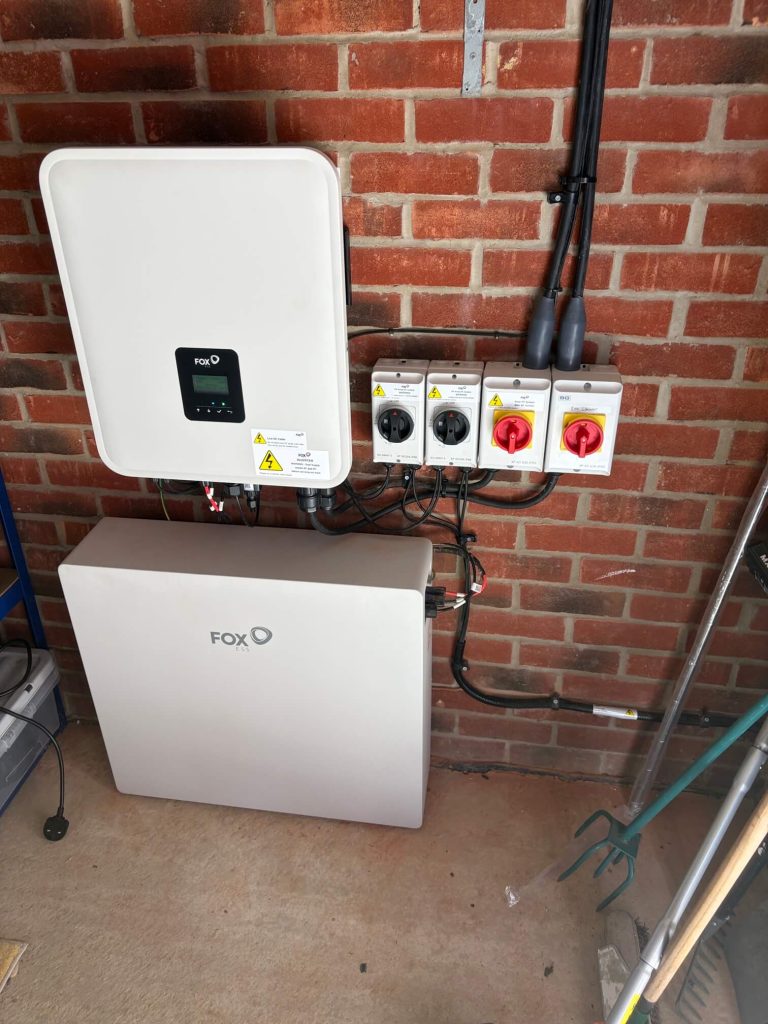
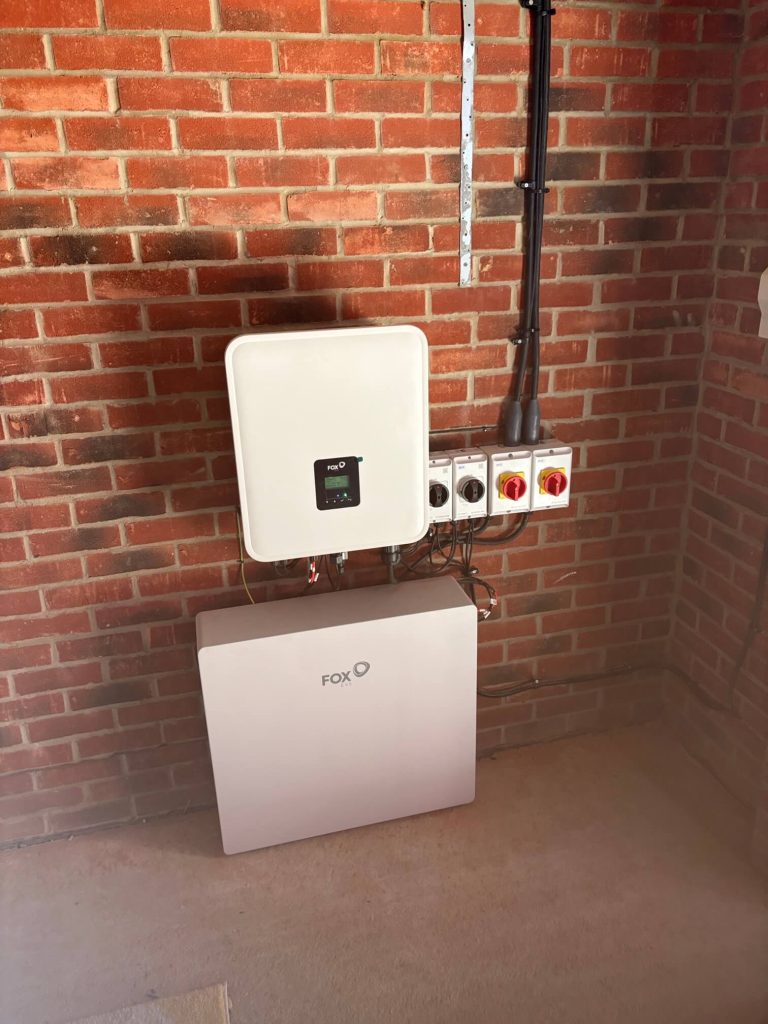
A Fox ESS 10 kW hybrid inverter was installed with associated Fox ESS battery equipment. The inverter converts the panels’ DC output into usable AC electricity and coordinates the flow of energy between the array, home, battery and grid.

The equipment was grouped with clearly accessible isolators and neatly supported cabling. Electric11 also provides dedicated home battery storage services for households seeking to store more of their solar generation for later use.

Fox ESS hybrid inverter and battery equipment

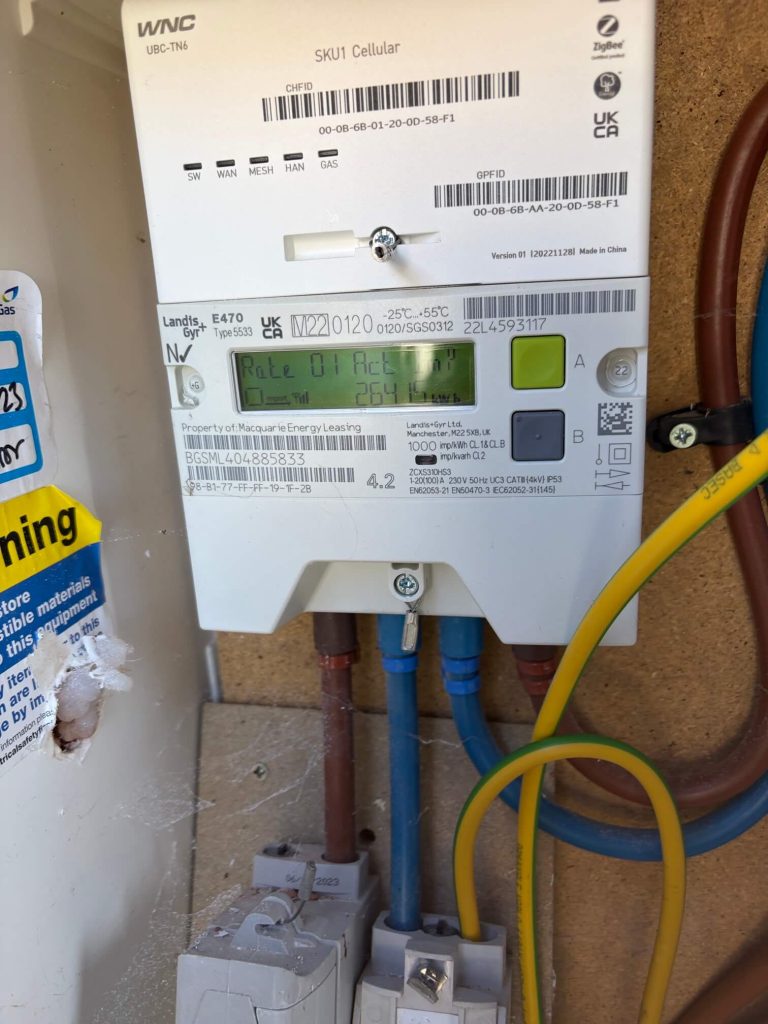
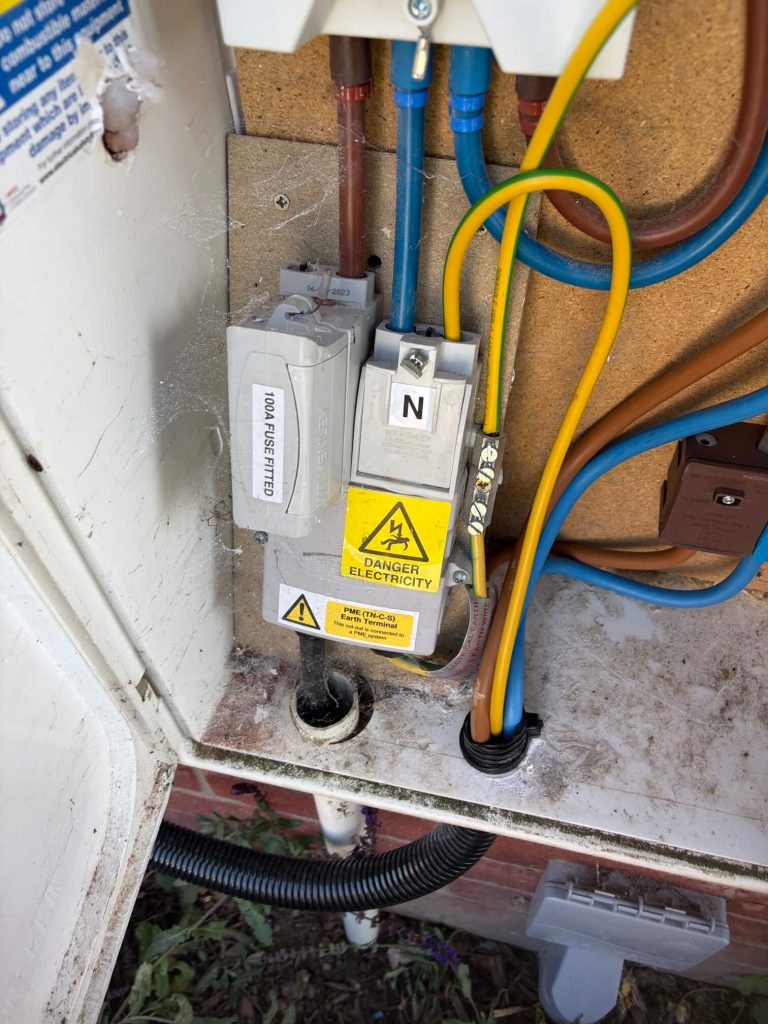
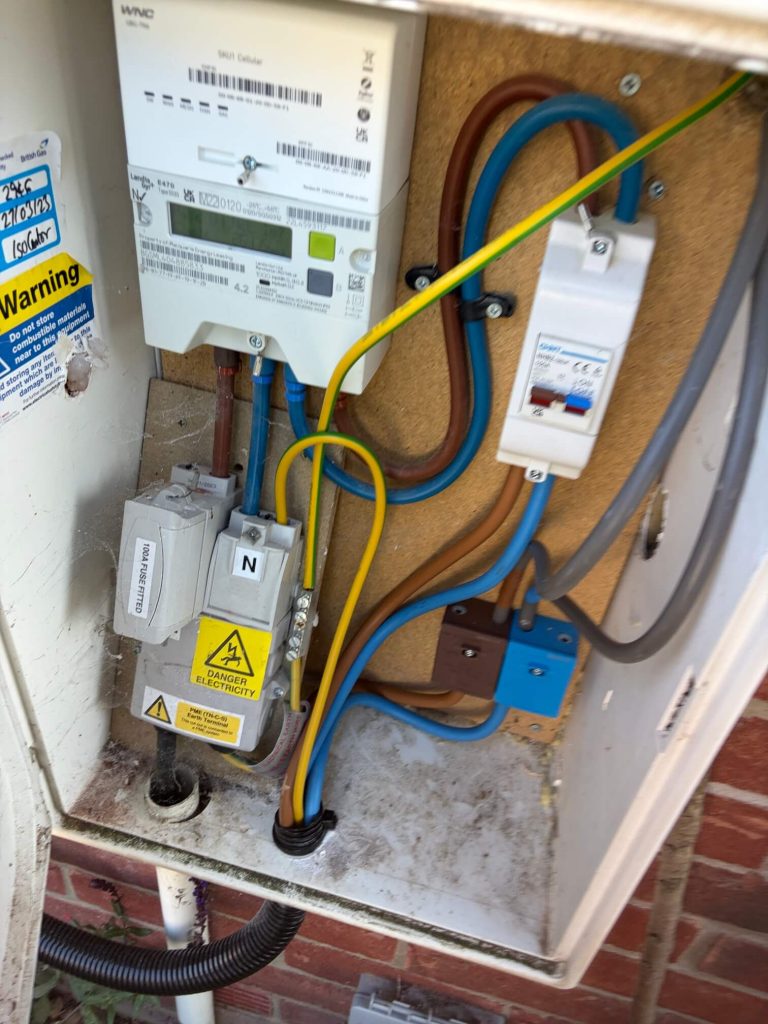
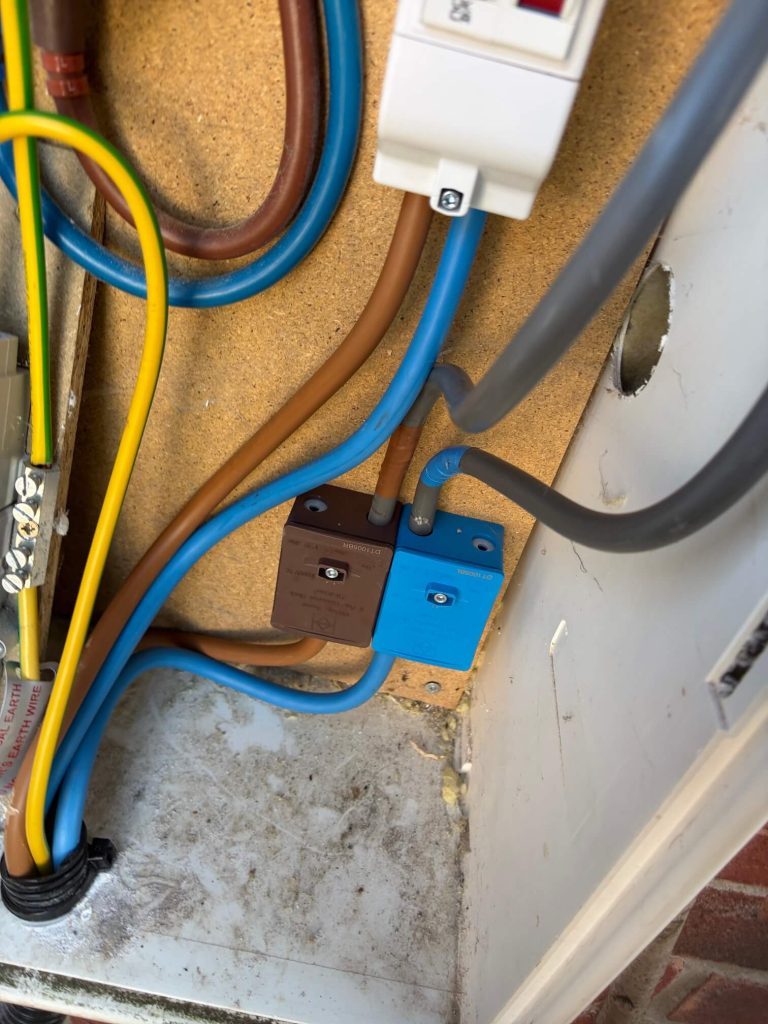
The team completed the AC and DC connections, installed the required isolation and protective equipment, and integrated the system with the existing meter position. Cable routes were planned to protect the installation and keep the finished appearance orderly.

The electrical work formed part of Electric11’s wider range of residential electrical services, allowing the solar equipment and property supply to be considered together.

Installation and Commissioning

The work progressed from roof preparation to equipment installation, electrical integration and final commissioning. The team coordinated scaffold access, panel placement and ground-level electrical work to keep each stage controlled.

Preparing and mounting the array

The roof was assessed before the mounting system and solar panels were fitted. The completed array follows the roof plane and uses the available space without crowding the chimney or perimeter.

Installing the inverter and storage equipment

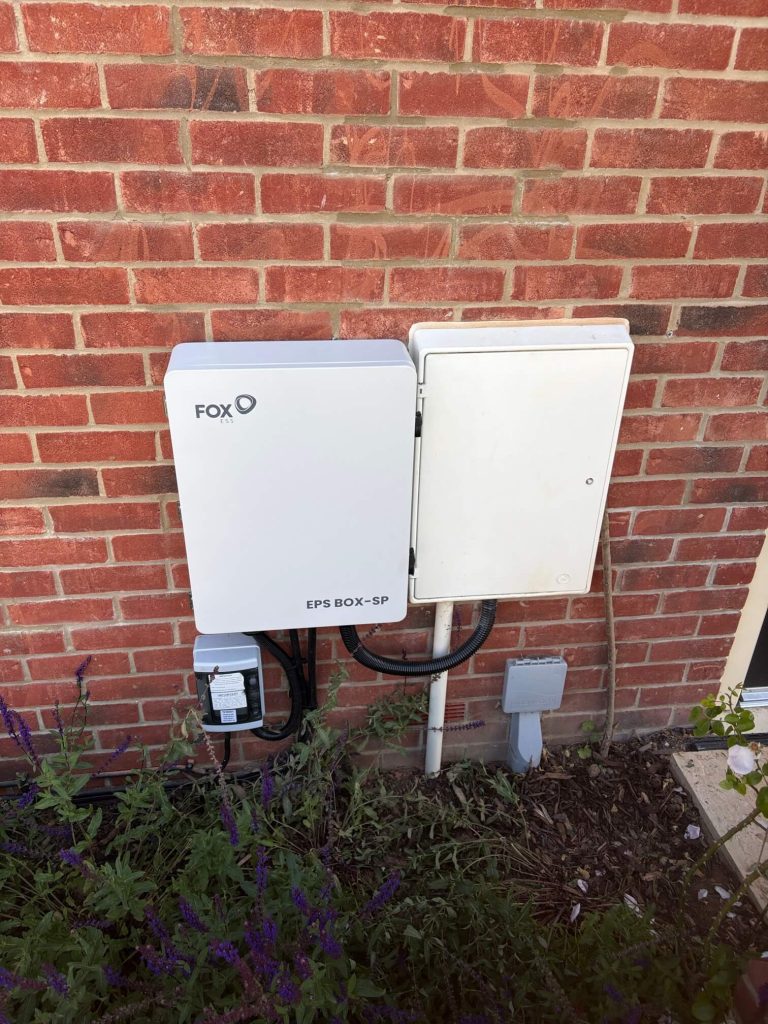
The Fox ESS inverter, battery equipment and isolators were mounted against a brick wall in an accessible service area. The arrangement provides clear separation between components and leaves room for routine inspection.

Testing and handover

After the installation was complete, the electrical connections, protection and system operation were tested before commissioning. The homeowner received a working solar energy system configured to generate electricity and coordinate storage through the hybrid inverter.

Ongoing inspection and cleaning can help protect long-term performance. Electric11 offers solar panel maintenance in Norfolk for existing and newly installed systems.

The Result

The Great Ellingham home now has a substantial solar PV array supported by a Fox ESS hybrid inverter and battery equipment. The system can generate renewable electricity during daylight hours, reduce grid imports and retain surplus energy for later household use.

The black panels give the large array a restrained appearance, while the inverter, storage equipment and isolators are grouped into a practical installation. Explore more completed work in Electric11’s electrical case studies.

Get a Free Solar Quote
Completed Fox ESS hybrid inverter and battery installation in the garage
Smart meter display after the Great Ellingham solar installation
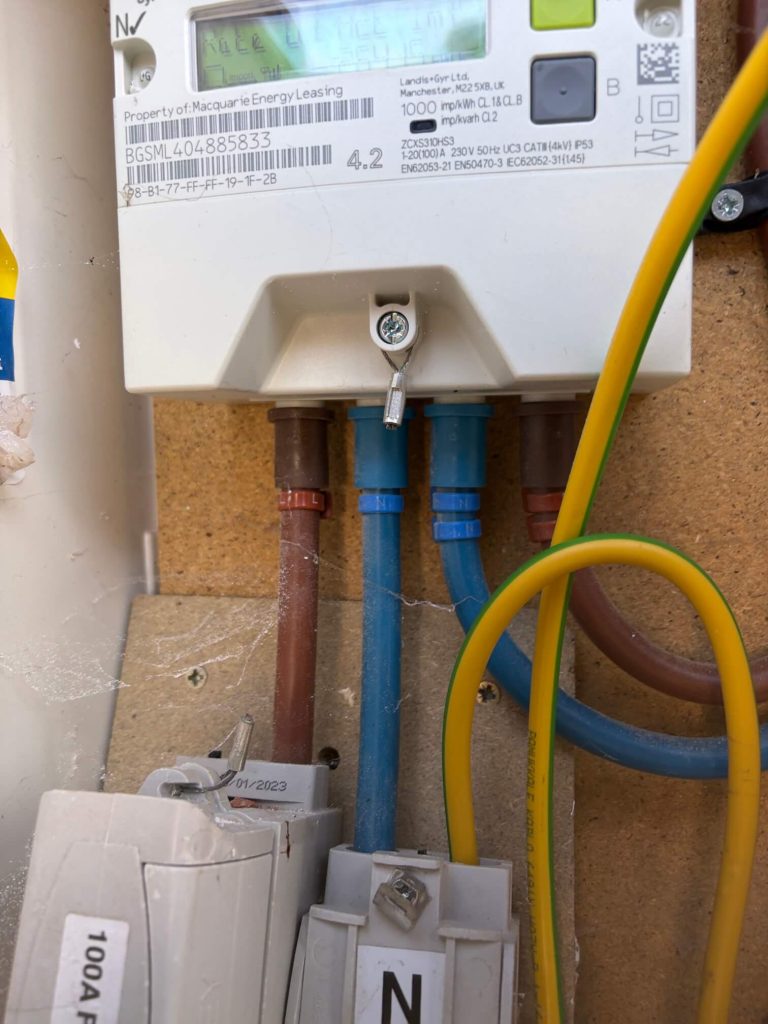
Service head and earth terminal supporting the solar connection
Close-up of labelled smart meter terminal wiring
Fox ESS EPS box fitted beside the external electrical cabinet
Smart meter and solar electrical connections inside the meter cabinet
Electric11 installer beside the completed roof-mounted solar array
Fox ESS hybrid inverter and battery equipment installed in the garage
Completed roof-mounted solar panel array on a Great Ellingham home
Electrical connections inside the solar meter cabinet
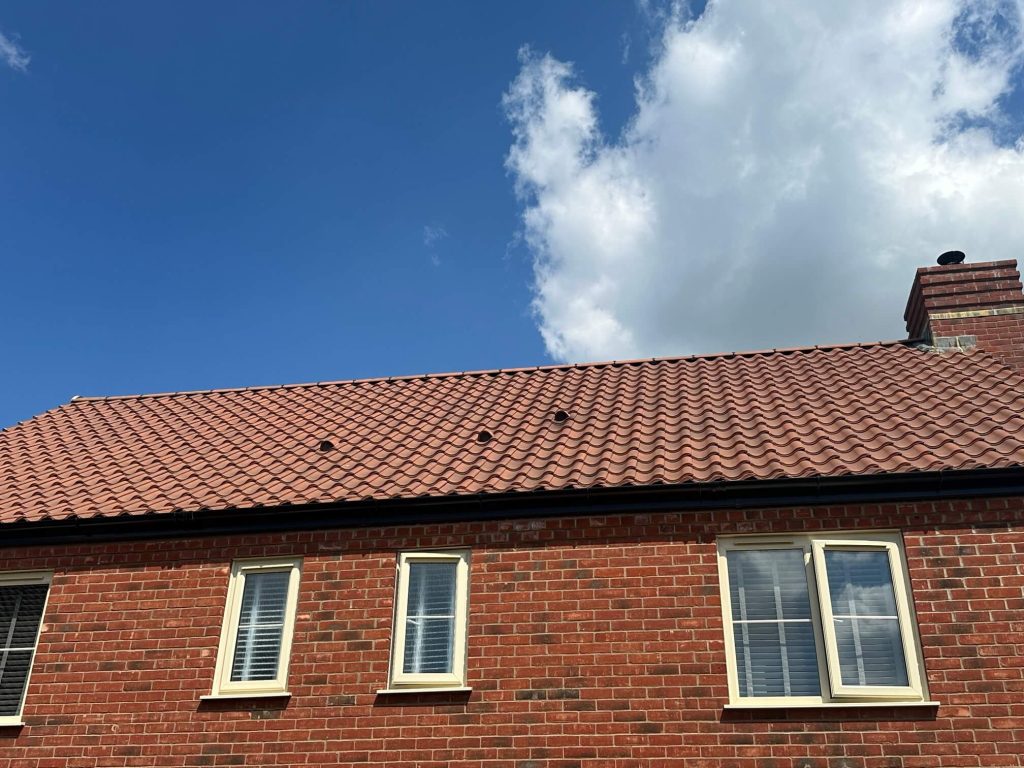
Tiled roof before solar panels were fitted in Great Ellingham
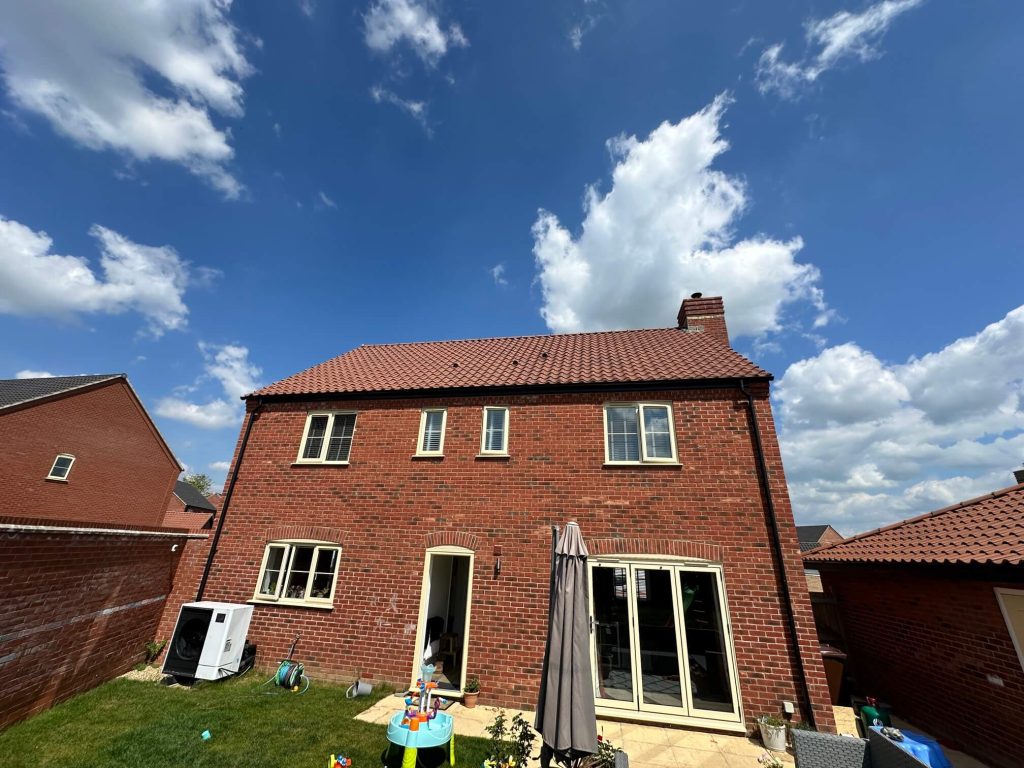
Rear of Great Ellingham home before the solar PV installation

The Electric11 Solar Installation Process

Every property needs a system designed around its roof, electricity use and existing supply. Electric11 follows a clear process from the first survey through to commissioning and support.

Survey and energy review

The team assesses the property, available roof area, likely shading, meter position and suitable routes for cables and equipment. Household energy use and future plans are also discussed so the system has an appropriate scope.

System design and transparent quote

Electric11 prepares a tailored panel layout and equipment specification, then supplies a clear quote covering the agreed work. The design considers generation potential, inverter capacity, storage options and the electrical upgrades required for safe integration.

Installation and electrical integration

Qualified installers fit the mounting system and panels, position the inverter and storage equipment, and complete the AC and DC connections. Cabling, isolators and protective devices are installed as part of the complete system.

Testing, handover and support

The installation is tested and commissioned before handover. The customer receives guidance on system operation and monitoring, with continued support and maintenance available when required.

Frequently asked
questions

Can’t find what you’re looking for?
Get in touch with any questions.


Electric11 installed a large roof-mounted solar panel array with a Fox ESS 10 kW hybrid inverter, Fox ESS battery equipment, isolators, protection and the associated AC and DC cabling.

The working estimate is 7.74 kW, based on 18 panels rated at 430 W each. The final published capacity should be checked against the MCS design because the supplied project records contain conflicting panel quantities and array sizes.

A hybrid inverter converts DC electricity from the panels into AC electricity for the home and can also coordinate charging and discharging a compatible battery. It brings solar generation and storage control into one system.

Yes. A compatible battery can store surplus solar energy for use later in the day, which may increase self-consumption and reduce grid imports. The correct battery capacity depends on generation, household demand and tariff arrangements.

The installer checks the electrical connections, isolation, protective devices and system operation before commissioning. The exact inspection and certification requirements depend on the installation design and applicable standards.