
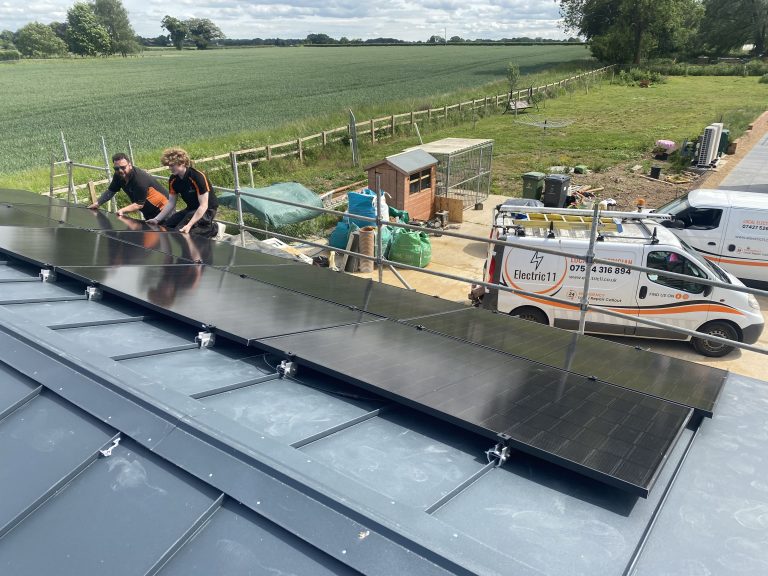




Solar panels in Norfolk work by converting daylight into electricity your home can use, even when the weather is cloudy or changeable. They do not rely on heat or constant sunshine, which means a well-designed system can still generate useful power throughout the year.
For many homeowners, the real question is not just how solar panels work, but how well they will work on their specific property. Roof direction, pitch, shading, inverter choice, battery storage, and daily energy use all affect performance. In this guide, we’ll break down the basics in plain English, explain what happens to the electricity your panels produce, and look at what makes solar a practical option for homes across Norfolk.
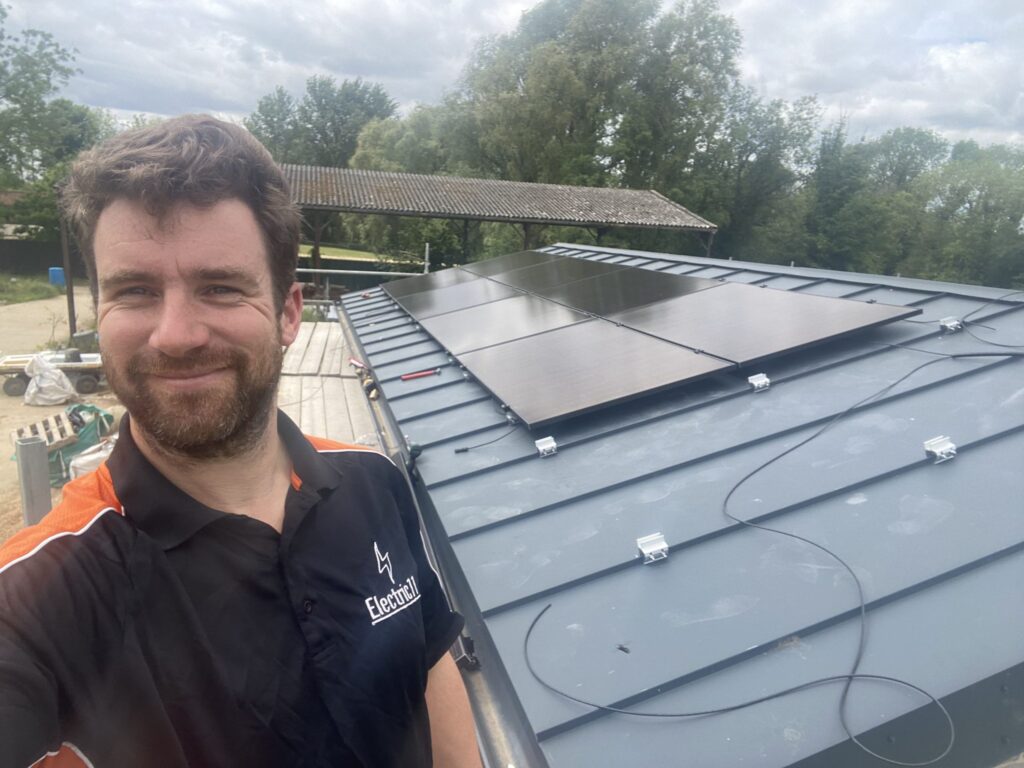
I’ve spent 20 years working in the electrical industry, starting as an apprentice cable jointer with the electricity board and later moving into engineering and project management within building services. One thing I’ve learned over the years is that people often overcomplicate solar. The principle is actually quite straightforward. The real difference comes down to good design, proper installation, and making sure the system suits the property.
If you’re starting to look at options for your home, it’s worth speaking to a solar panel installer in Norfolk who can assess roof layout, shading, and energy usage properly.
What Solar Panels Actually Do
Solar panels are made up of photovoltaic cells. These cells absorb daylight and convert it into direct current electricity, also known as DC electricity. That power then passes through an inverter, which converts it into alternating current, or AC electricity, so it can be used safely around the home.
That is the basic process in simple terms. Daylight hits the panels. The panels generate electricity. The inverter converts that electricity into usable power. Your home uses that power first, and if there is any surplus, it can either be exported to the grid or stored in a battery.
That is why a solar system should always be looked at as more than just the panels on the roof. The inverter matters. The cable routes matter. The mounting system matters. If battery storage is part of the setup, that matters too. You can explore more about full solar PV installations in Norfolk to see how these systems are designed as a complete package.
Do Solar Panels Work Well in Norfolk?
Yes, they do. Norfolk is actually a strong area for solar because it gets a good amount of daylight over the year, and many properties have suitable roof space for installation.
The biggest misunderstanding I come across is the idea that solar panels only work in bright, hot conditions. They do not run on heat. They run on daylight. Bright sunshine will improve output, of course, but panels can still produce electricity on cloudy days because there is still daylight reaching the cells.
In my experience, the bigger deciding factors are far more practical than the weather alone. Roof direction makes a difference. Roof pitch matters. Shading from trees, chimneys, or nearby buildings can make a major difference. So can the way the household uses electricity during the day. A properly designed system takes all of that into account.
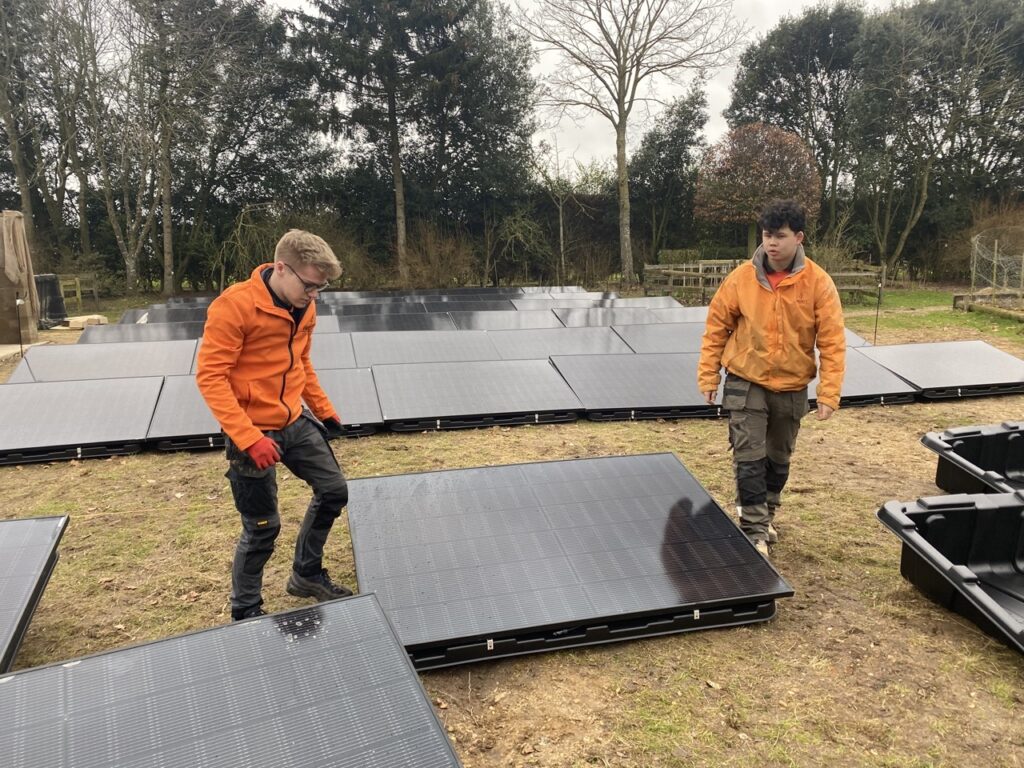
If roof space is limited or unsuitable, there may be other solutions worth considering, including ground mounted solar panels in Norfolk.
How Do Solar Panels Work on Cloudy Days?
This is one of the most common questions homeowners ask, and it’s a fair one.
Solar panels work on cloudy days because they use daylight rather than direct heat. On an overcast day, the amount of electricity generated will usually be lower than on a bright sunny day, but the system does not stop working. It simply produces less power.
A good way to think about it is natural light indoors. Even when the sky is grey, a room is still lit by daylight. Solar panels respond in a similar way. They continue converting that available daylight into electricity.
That’s why it’s important to judge a solar system over the course of a year rather than by one poor weather day. Summer will typically bring stronger output. Winter will bring less. That seasonal variation is completely normal and is built into good solar design from the start.
What Happens to the Electricity Your Panels Generate?
When your solar panels start producing electricity, your home uses that energy first. So if your fridge, lighting, appliances, or home office equipment are running, the solar electricity can help supply those loads directly.
If the system generates more electricity than the home needs at that moment, the extra energy can go one of two ways. It can be exported to the grid, or it can be stored in a battery for later use.
This is where many homeowners start to think beyond the panels alone. If you want to make better use of the electricity your system generates, battery storage can be a valuable addition. Our home battery storage in Norfolk page explains how that works and why it can help many households get more from their system.
Do You Need Battery Storage with Solar Panels?
Not every solar installation needs battery storage, but in the right property it can add a lot of value.
From a practical point of view, it often comes down to when you use electricity. If you are at home during the day and using power while the system is generating, solar panels alone can already offset a decent part of your usage. If most of your electricity use happens in the evening, a battery can help you hang on to more of the energy generated earlier in the day.
This is something I always encourage people to think about carefully. A battery does not make the panels generate more electricity. What it does is help you use more of what you have already produced. That can make the overall system feel much more effective in everyday life.
If you want to understand how storage fits into a wider setup, take a look at our guide to home battery storage in Norfolk.
What Affects Solar Panel Performance in Norfolk?
There is no single answer for how well a solar system will perform. A number of practical factors shape the result, and these should always be considered before installation.
Roof Direction
South-facing roofs are often ideal, but east- and west-facing roofs can also work very well. The right design depends on the roof layout and how the household uses electricity.
Roof Pitch
The angle of the roof affects how much daylight the panels can capture over the year. It does not have to be perfect, but it should be taken into account when planning the system.
Shading
Shade is one of the most important factors in solar performance. Trees, chimneys, neighbouring properties, and roof features can all reduce output if they block daylight across the array.
System Design
Panel choice is important, but so is inverter selection, array layout, cable routing, and overall system planning. A well-designed installation will usually perform better and present fewer issues over time.
Battery Storage
Battery storage does not increase generation, but it can improve how much of that electricity the homeowner actually uses.
Household Energy Use
One of the most overlooked factors is how the home uses electricity across the day. A property with daytime usage patterns may benefit differently from a property that is empty until the evening.
That is why a proper site assessment matters. A local solar panel installer in Norfolk should be looking at the full picture, not just quoting a rough panel number.
Are Solar Panels Worth It in Norfolk?
For many homeowners, yes, they are.
The value usually comes from a combination of lower electricity bills, better control over your own energy use, and the longer-term benefit of generating power on your own property. The exact return will depend on the roof, the system size, how much electricity the home uses, and whether battery storage is part of the setup.
What I’d say from experience is that solar works best when it is treated as a practical electrical improvement rather than a fashionable add-on. If the system is suited to the property and installed correctly, it can become a very useful part of how that home runs every day.
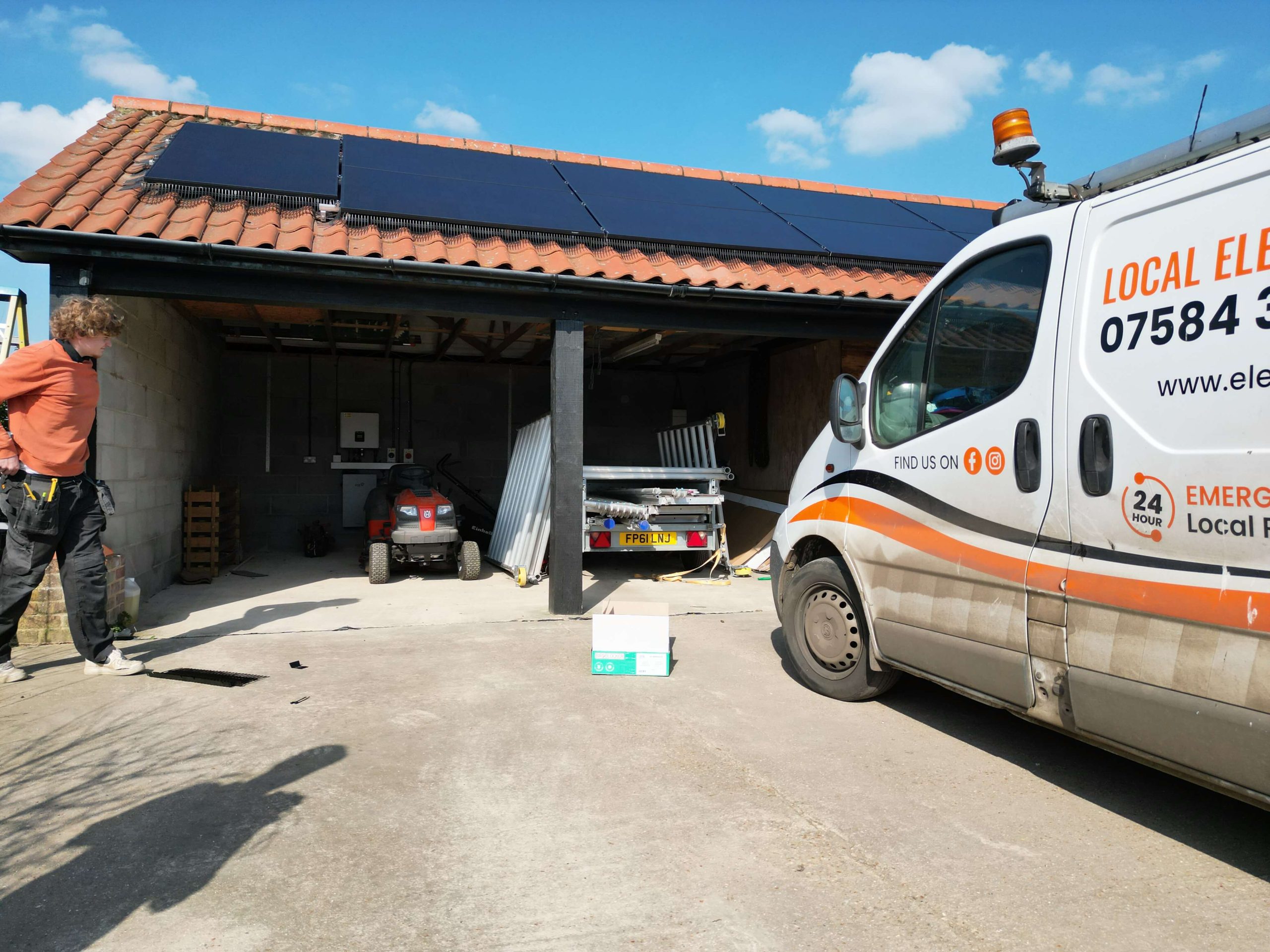
If you’d like to see how this looks in practice, take a look at this solar panel for home and battery storage installation, this shed solar power installation, or this ground solar panel mounts and battery storage installation. These are helpful real-world examples of how different solar systems can be adapted to different properties across Norfolk.
Common Questions About Solar Panels in Norfolk
Do solar panels still work in winter in Norfolk?
Yes. Output is usually lower in winter because the days are shorter and daylight levels are lower, but the panels still generate electricity.
Do solar panels need direct sunlight?
No. Direct sunlight improves output, but panels can still produce electricity from daylight on cloudy days.
Can solar panels power an entire home?
They can cover a significant share of a home’s electricity use, especially at certain times of day. The exact result depends on system size and household demand.
Is battery storage worth it?
For many households it can be, especially when most electricity is used later in the day. It helps store more of the energy the panels generate.
Are solar panels only suitable for roofs?
No. Some properties are better suited to ground mounted solar panels in Norfolk where roof space is limited or another layout is more practical.
Final Thoughts
So, how do solar panels work in Norfolk? They work by converting daylight into electricity, and they can do that very effectively when the system is designed around the property properly. Norfolk’s changing weather does not stop solar from being a worthwhile option. In many cases, it makes good sense for homeowners looking to reduce grid reliance and take more control of long-term energy costs.
The key is to focus on the practical details. Roof layout, shading, usage patterns, and storage options all shape the end result. Get those right, and solar can be a strong fit for a wide range of homes across Norfolk.
If you’re thinking about the next step, explore our solar PV installations in Norfolk, learn more about home battery storage in Norfolk, or speak to a solar panel installer in Norfolk about what could work for your property.
Related Reading
Send us a message
"*" indicates required fields

