
EV Charger Installation in North Lopham, near Diss




Electric11 installed an EV charger at a residential property in North Lopham, near Diss. The job included planning the cable route from the electrical supply toward the charging location and reviewing the existing supply equipment as part of the installation.
The Homeowner’s Requirement
The homeowner wanted a dedicated charging point at the property. That called for a practical route between the supply equipment and the proposed charger location, with the existing electrical arrangement considered before the new equipment was connected.
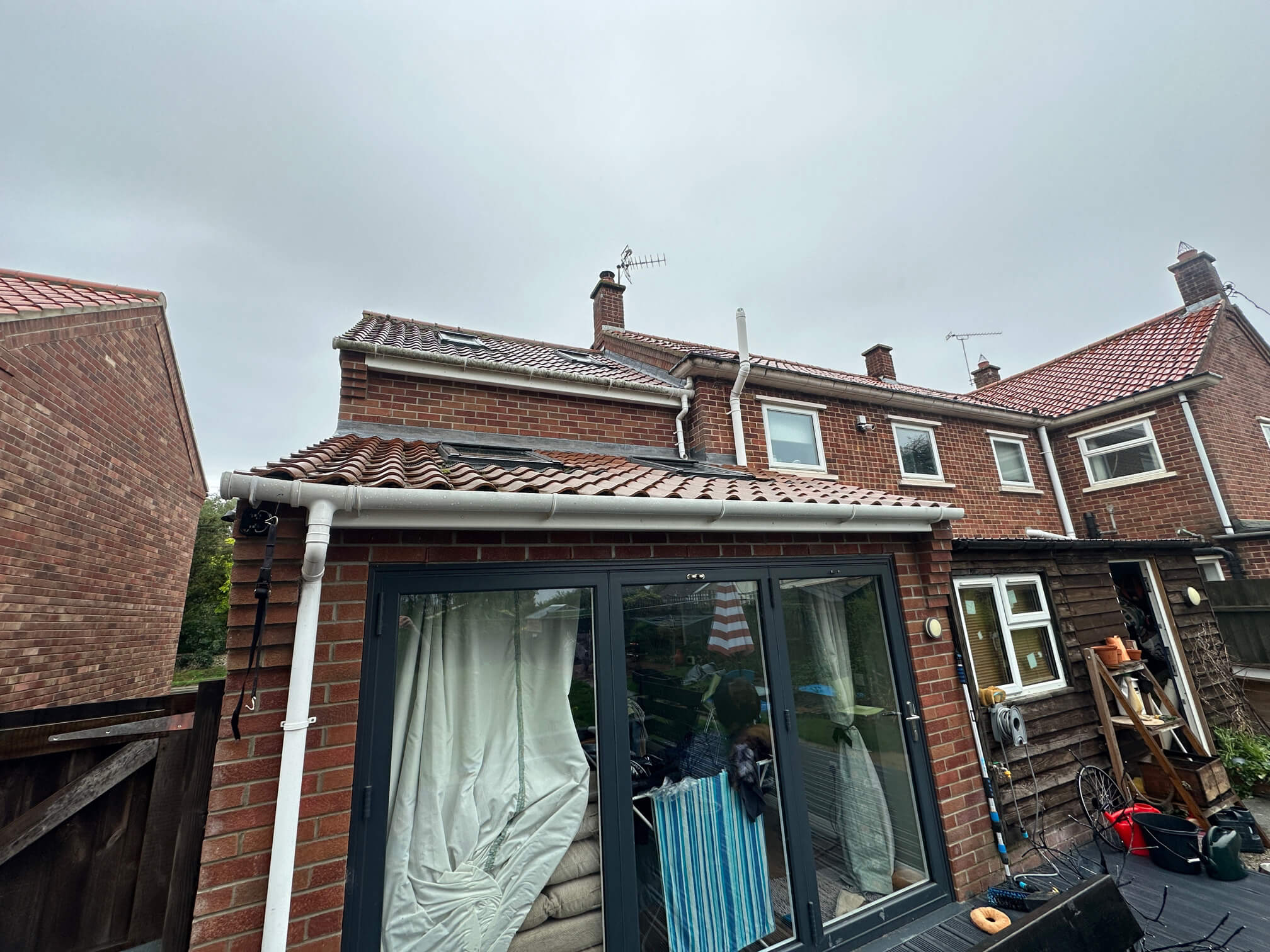
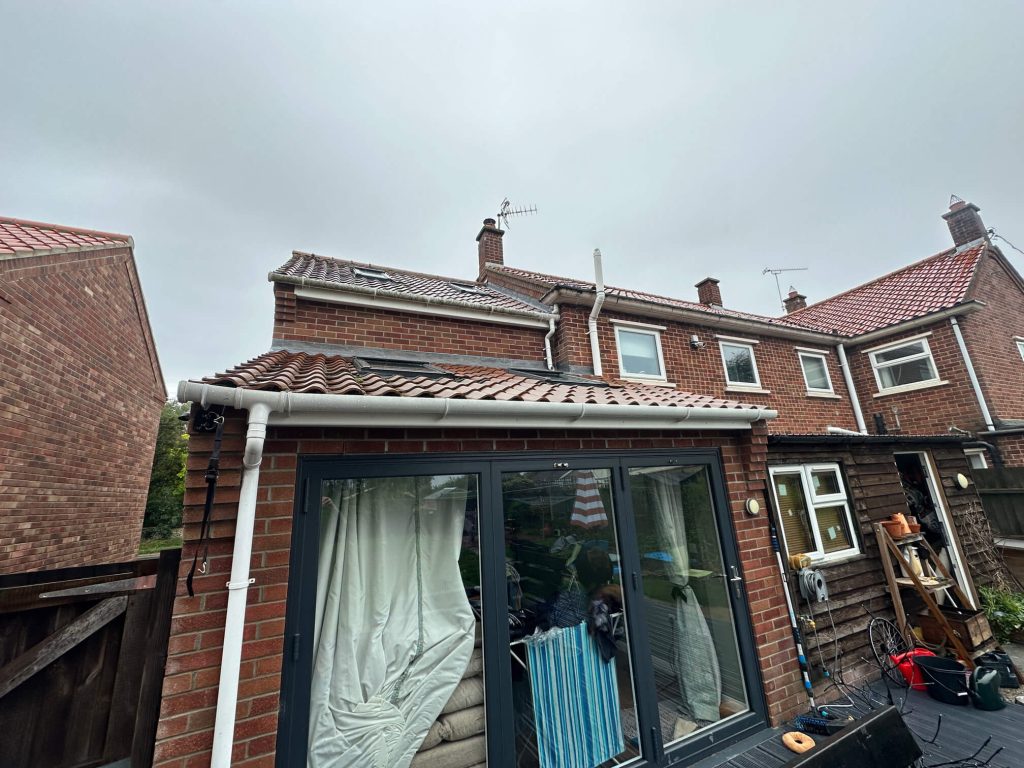
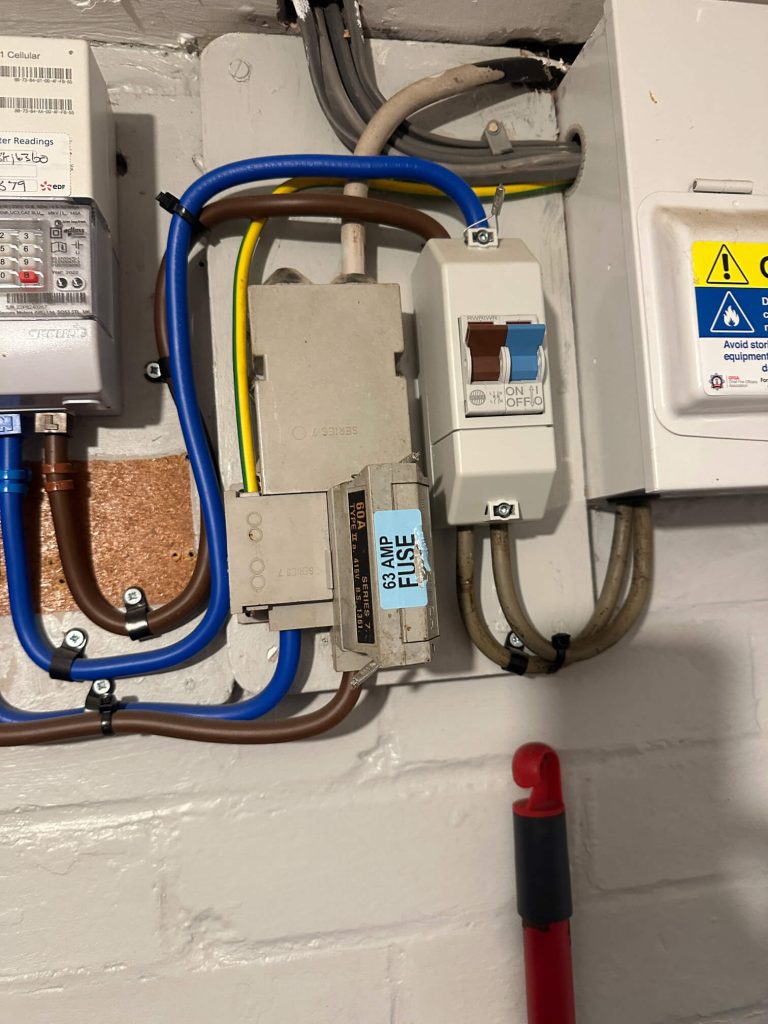
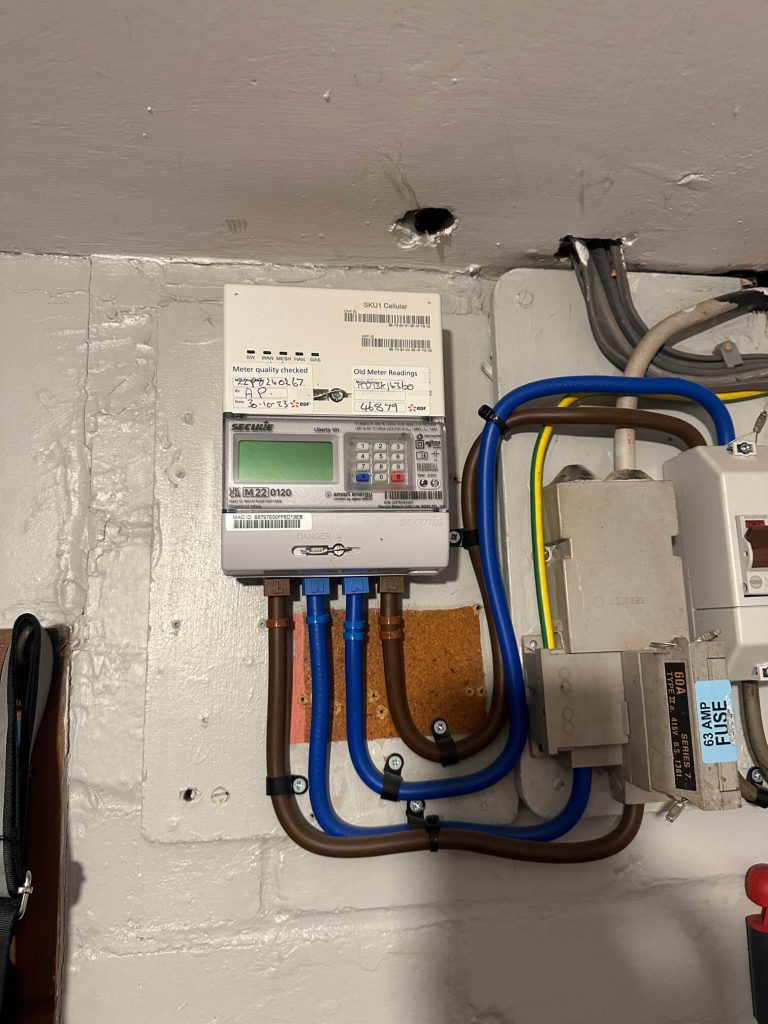
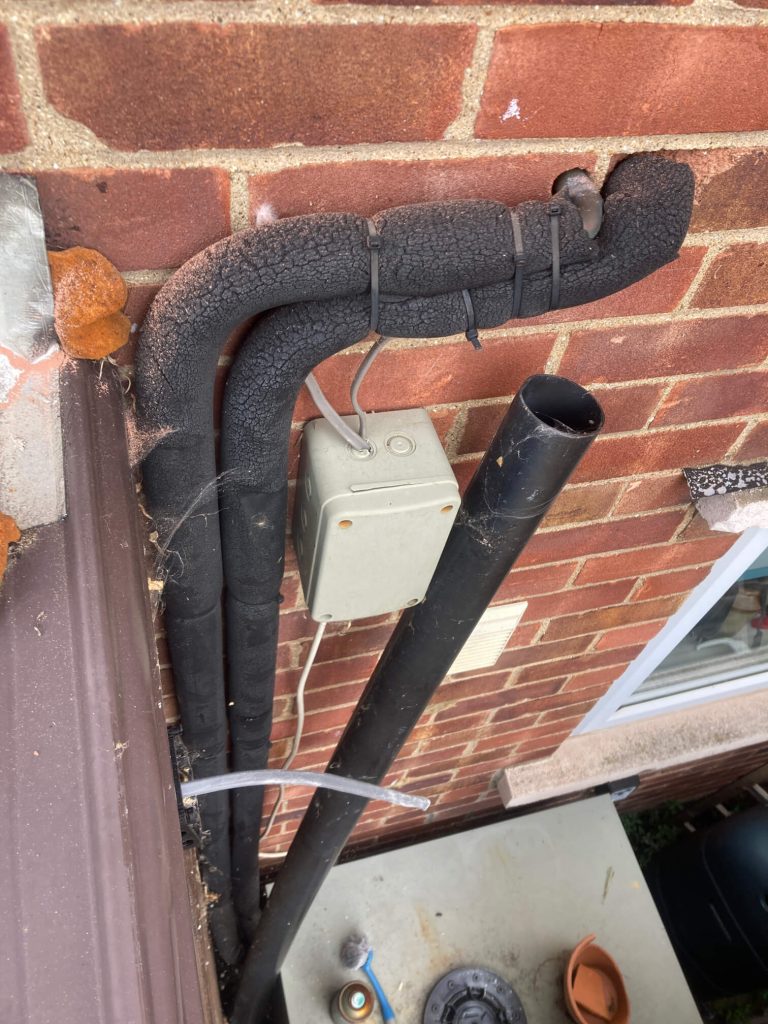
The project photographs document the consumer unit and meter area, the exterior of the house, and sections of the external cable route. They show why a home EV charger installation must be planned around the property rather than treated as a simple wall-mounted appliance.
Reviewing the Electrical Supply
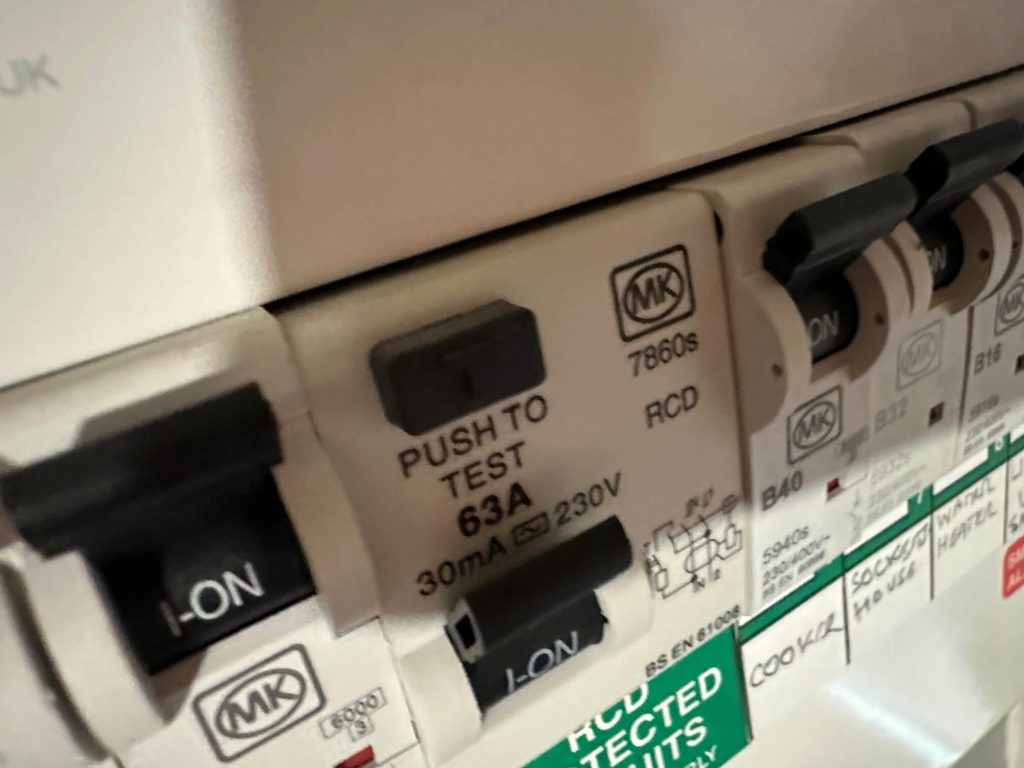
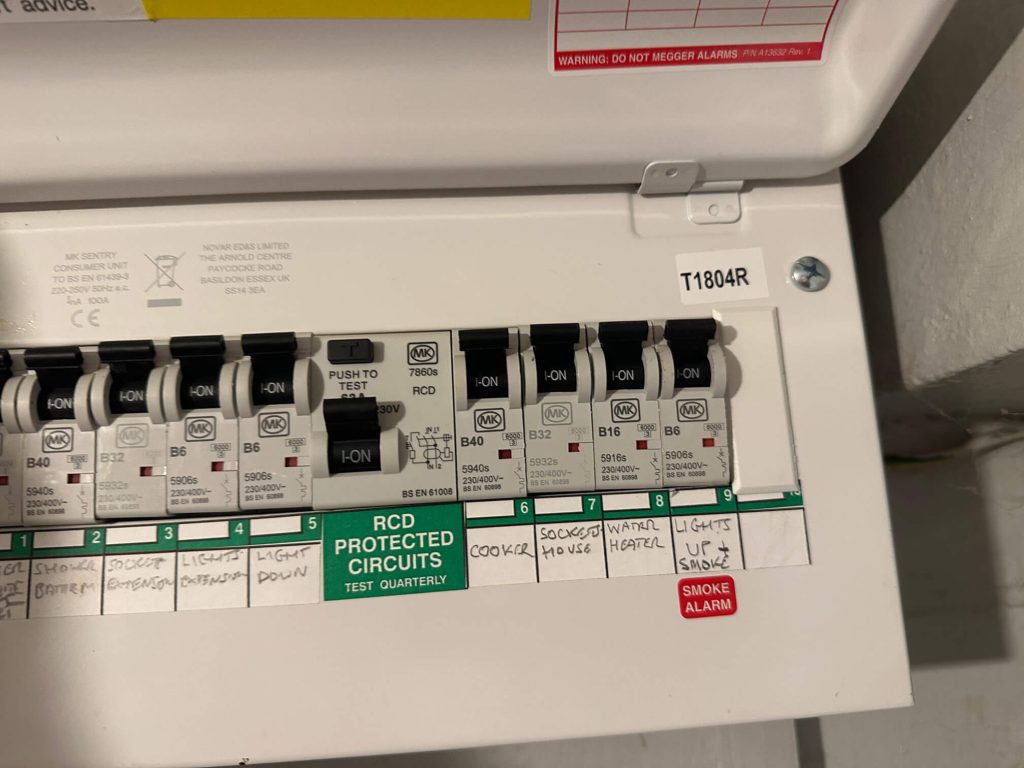
Electric11 documented the existing consumer unit, protective devices and metering arrangement. This review provided the starting point for the charger connection and the associated cabling and protection specified in the job record.
The project also called for suitable protective devices alongside the charger connection. Their final arrangement depended on the existing installation and the equipment selected for the job.
Planning the Cable Route
The work included cabling from the main meter position toward the charging location. The route had to account for the layout of the house and the position of the existing electrical equipment.
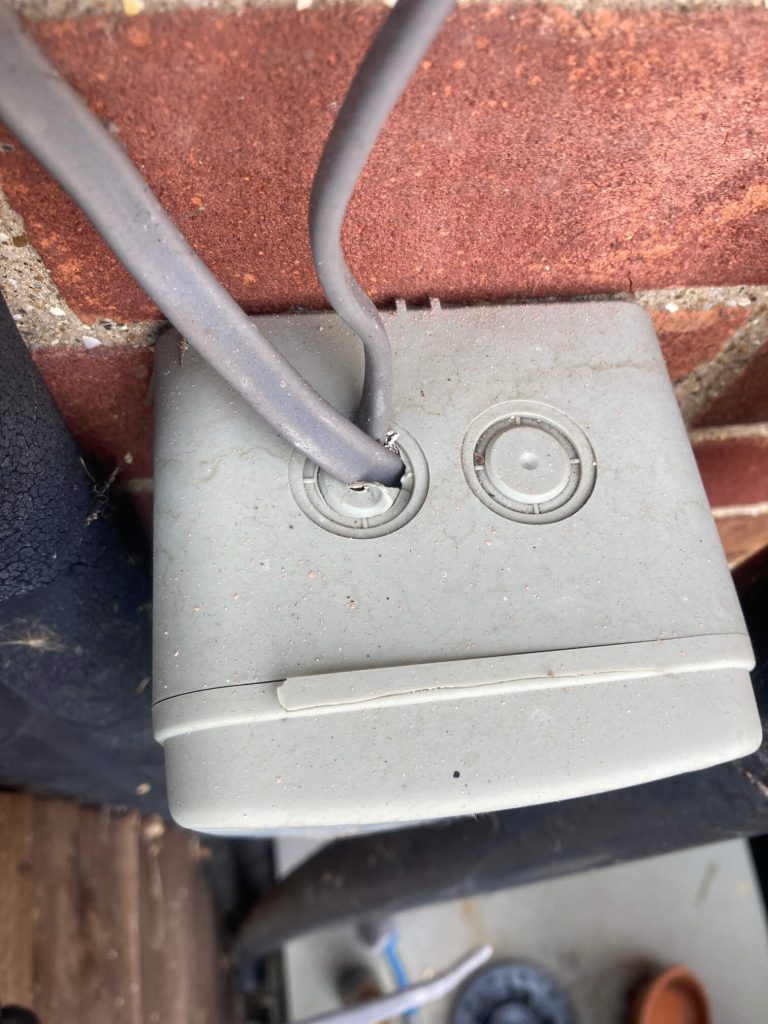
The site photographs show a route along the brick exterior and into a weather-resistant enclosure. Positioning the route around the building and existing electrical equipment was part of making the finished installation suitable for this property.
The Completed Installation
The job record describes the EV charger installation as completed, giving the homeowner a dedicated place to charge a vehicle at home. Planning the supply and the external cable route allowed the installation to be tailored to the property’s existing layout.
For a similar project, visit Electric11’s home EV charger installation service in Norfolk to learn how the team assesses the property, plans the equipment position and prepares a quotation.
Looking for an EV Charger Installer near Diss?
Electric11 installs EV charging points for homes across Norfolk, including the Diss area. Contact the team to discuss the location of your parking space, the route from your electrical supply and the type of charger you need.
Get an EV Charger Quote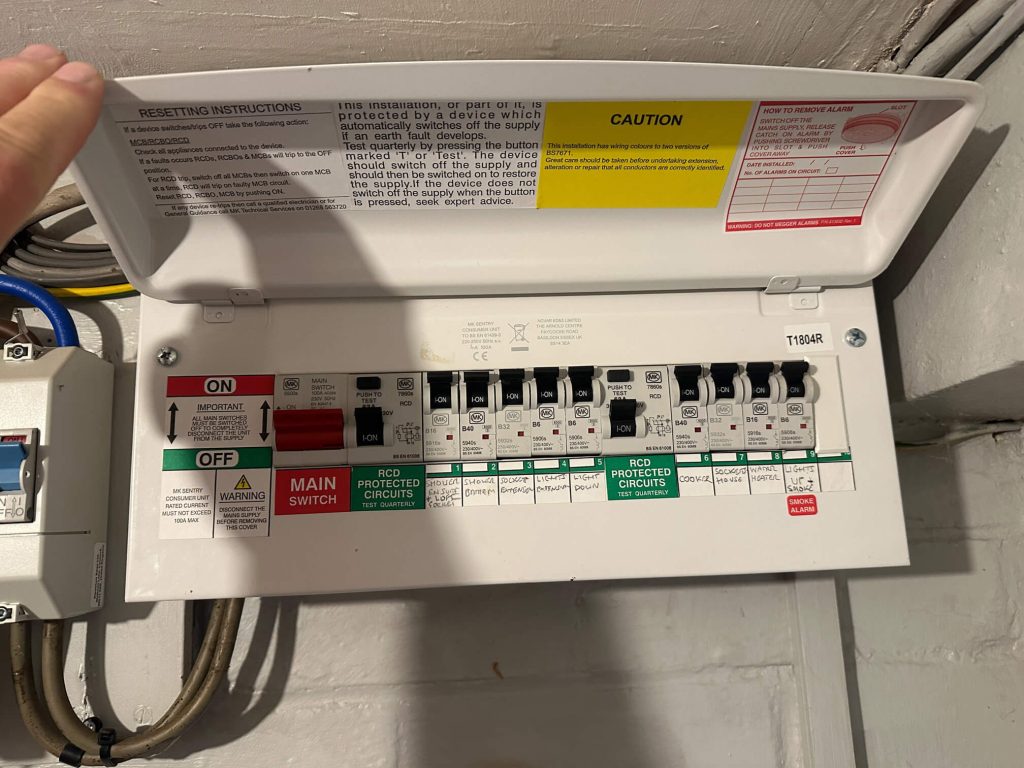
The Electric11 Home EV Charger Installation Process
A home charger needs a suitable electrical supply and a practical route to the parking area. Electric11 plans both around the property before installation begins.
Supply Assessment
The team reviews the meter position, consumer unit and available electrical supply to establish what the charger connection requires.
Charger Position and Cable Route
Electric11 agrees a charger location with the homeowner and plans the cable route around the property’s layout. At the North Lopham home, the route ran from the meter area along the exterior wall.
Charger Installation
The electricians install the agreed cabling, protective equipment and charging point based on the assessed supply and selected charger.
Final Checks and Handover
The installation is checked, and the homeowner is shown how to use the charging point. The final equipment specification and applicable paperwork should be confirmed for each job.
At a home in North Lopham, near Diss, Norfolk.
The team reviewed the existing supply equipment, consumer unit and proposed cable route from the meter position toward the charging location.
The job scope allowed for up to 15 metres of cabling. The final installed length was not recorded in the supplied project notes.
In an illustrative 9,000-mile year, moving all charging from public to home rates could save about £720, using HMRC’s September 2026 advisory rates of 15p and 7p per mile respectively. This is not a measured saving from this installation; actual costs depend on the vehicle, tariff and charging pattern.
The installed charger’s rated output was not supplied. The approximately 7 kW figure in the project figures is a modelling assumption and should not be presented as its confirmed specification.

