
Solar and Battery Upgrade in Poringland with EV Charging




Power Up Your Poringland Home with Solar, Batteries and EV Charging and take control of your energy with a smarter, greener upgrade for your Poringland home. Solar panels, battery storage and EV charging work together to help you generate clean power, store it for when you need it and charge your electric vehicle with confidence.
Project Overview
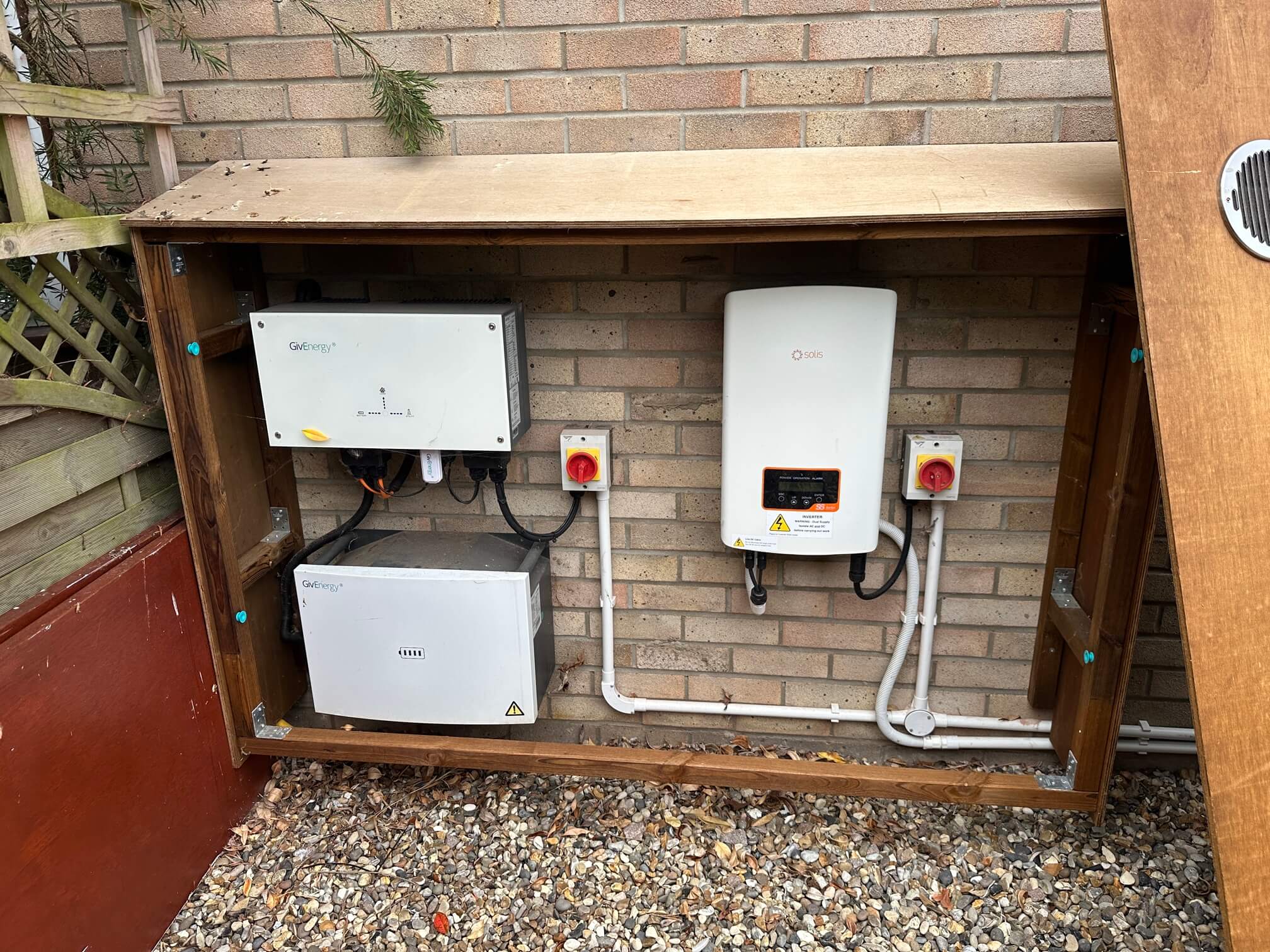
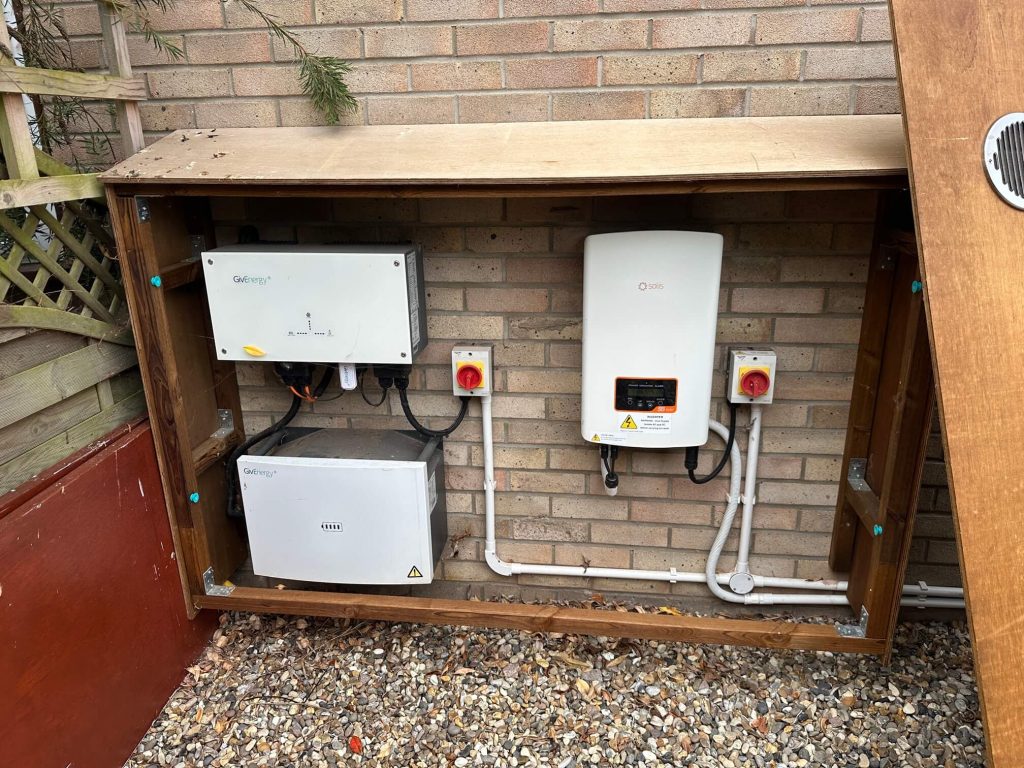
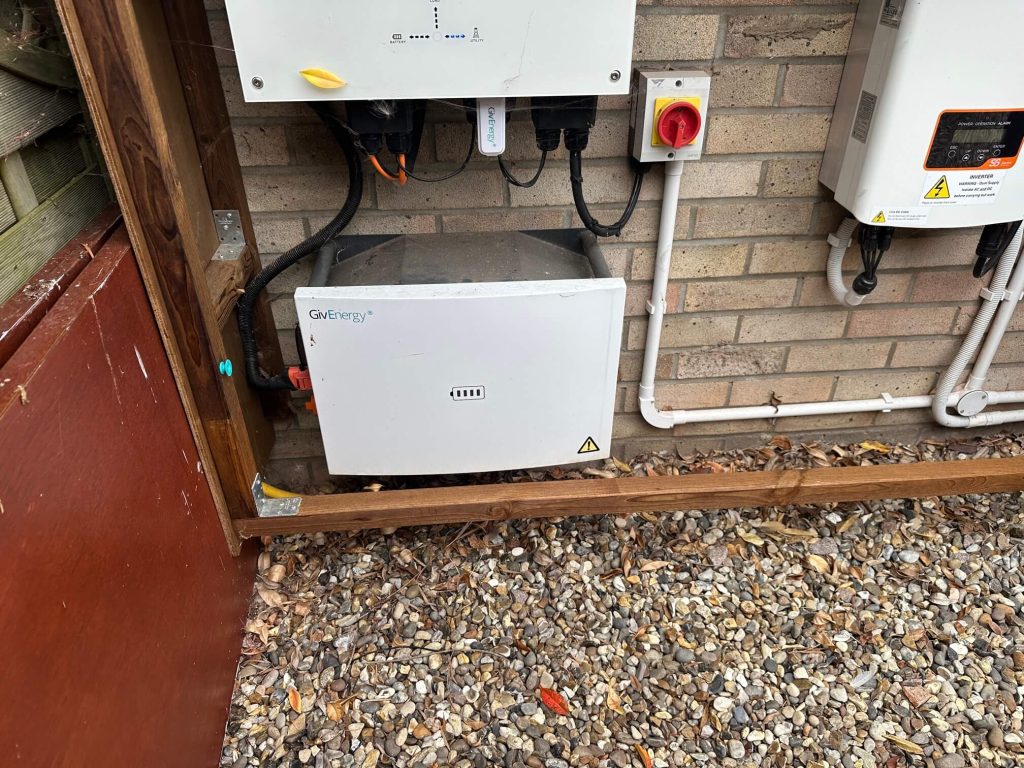
Electric11 completed a solar and battery upgrade in Poringland, near Norwich, replacing an existing inverter and battery system and installing an EV charger. The project brought together renewable energy equipment replacement and vehicle charging provision, with associated cabling, electrical protection and commissioning.
The work centred on an existing solar PV installation. Electric11 replaced the inverter and battery with a hybrid system, then completed AC electrical testing with satisfactory results. The project record confirms that the PV system was commissioned and operating correctly at completion.
The Customer’s Requirements
The customer required an inverter and battery replacement alongside a new EV charging point. That meant addressing both the solar equipment and the electrical work needed to supply the charger, rather than treating either component in isolation.
The recorded charging scope included provision for up to 15 metres of cabling from the main meter to the charger location. This was a scope allowance, rather than a confirmed measurement of the installed cable. The job also included surge protection and a Type A RCBO, bringing protective electrical work into the same project.
The Solution Installed
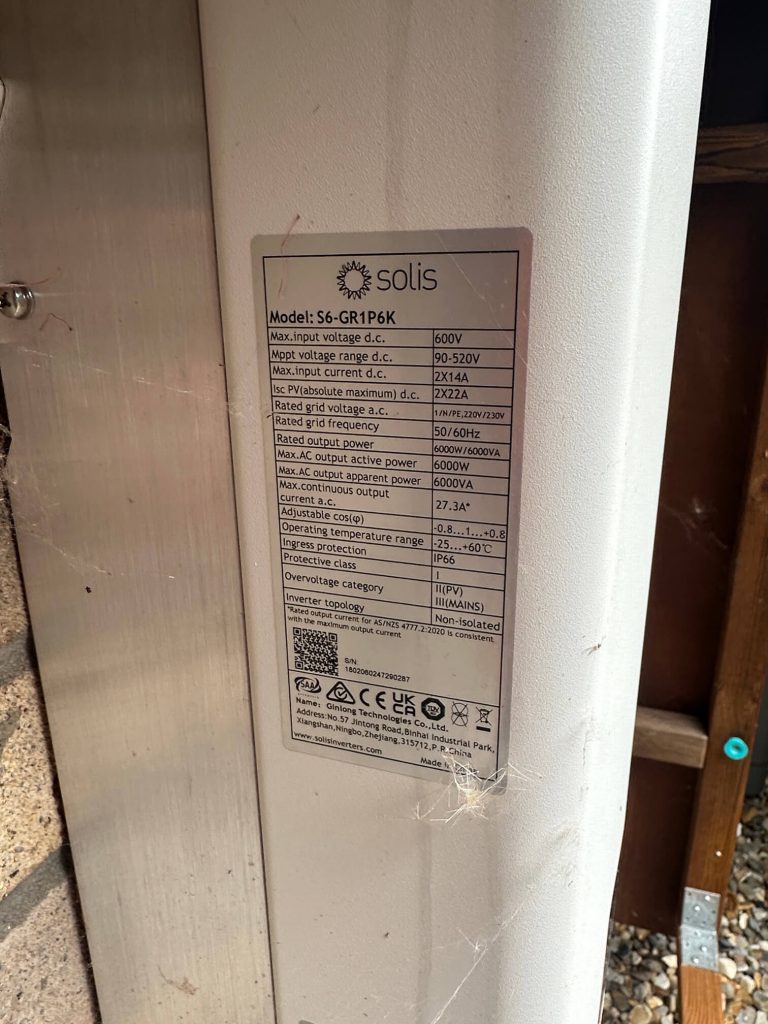
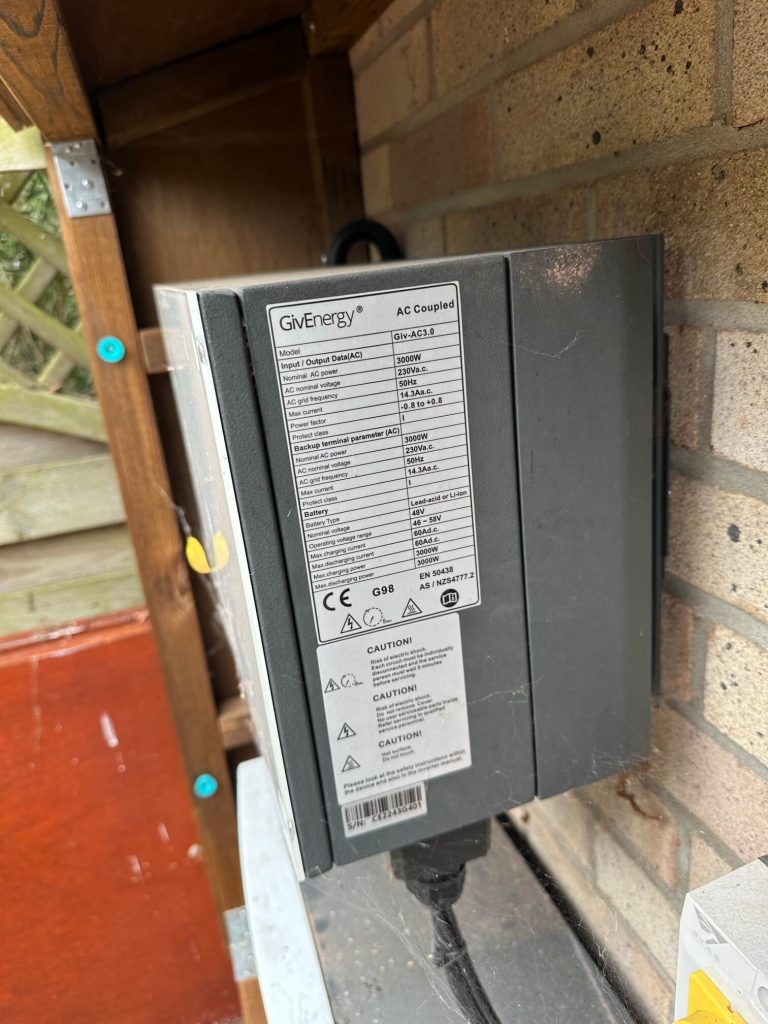
Electric11 installed an 8 kW hybrid inverter and a replacement battery system. The inverter rating describes power; it does not describe the solar array’s generating capacity or the amount of energy the battery can store.
Battery storage allows electricity to be held for use later. With a suitable solar installation and settings, this can help shift solar electricity from the time it is generated to the time it is needed. The Energy Saving Trust’s guide to energy storage explains this principle and why financial benefits depend on individual circumstances.
The EV charger was installed with associated cabling. Together, the replacement energy equipment and charging point addressed the two main parts of the customer’s brief. Electric11’s battery storage service and EV charger installation service cover these complementary requirements.
Results and Customer Benefits
The confirmed result was a functioning solar PV and battery system, together with an installed EV charger. Electrical testing returned satisfactory results, and the equipment was recorded as safe and operational at completion.
The practical benefit was the completion of both equipment replacement and charging provision through one project. Battery storage offers the potential to use stored electricity later, while the charging point provides a place to charge a compatible vehicle at the property.
No measured bill savings, annual generation figures or customer testimonial were supplied. Potential financial benefits depend on electricity use, tariffs, solar output, battery operation and charging patterns. Battery storage does not generate electricity, and an emissions reduction cannot be assumed from its installation alone.
Discuss your Installation with Electric11
Considering an inverter replacement, battery upgrade or EV charger in Poringland or the Norwich area? Electric11 can discuss the work around your existing equipment and requirements. Its solar maintenance service also covers checks of existing systems. Get in touch with Electric11 to discuss your project and request a quote.
Book a Free Solar SurveyElectric11 is composed of a team of local electricians based in Attleborough, offering coverage to the entire Norfolk region. Moreover, through our extensive network, we have forged strong connections with quality tradesmen representing various disciplines in our area.
The Electric11 Solar, Battery and EV Charging Installation Process
Electric11’s published approach covers assessment, a clear quotation, installation and testing. The four stages below relate that approach to this project, distinguishing recorded work from general planning considerations.
Site and Energy Assessment
Electric11’s general assessment considers the existing electrical installation, available supply, equipment positions and access. For a combined solar, battery and charging project, energy use, available space and cable routes also inform planning. The Poringland job notes record a TN-C-S earthing arrangement, an 80 A cut-out and a smart meter, providing supply information relevant to the installation.
System Design and Clear Quote
A clear scope brings equipment selection, installation planning and associated electrical work together. Here, the documented solution comprised an 8 kW hybrid inverter, replacement battery system and EV charger. The charging scope allowed for up to 15 metres of cabling, with surge protection and a Type A RCBO included in the project details. This identifies the principal equipment and supporting work.
Coordinated Electrical Installation
Electric11 replaced the existing inverter and battery system and installed the EV charger with its associated cabling. The recorded work also included the protective devices specified for the project. Completing these elements within one job addressed both the renewable energy equipment replacement and the new charging provision, followed by electrical testing and commissioning of the PV system.
Testing, Setup and Handover
The documented completion checks included AC electrical testing with satisfactory results, followed by confirmation that the PV system was commissioned and operating correctly. These establish the recorded operational outcome. For customers planning similar work, handover is also the point to discuss operating guidance, controls and relevant documentation; the available job summary does not describe a specific customer demonstration.
Electric11 replaced an existing inverter and battery system, installed an EV charger with associated cabling and protective devices, and completed electrical testing and PV commissioning.
Yes. The job notes specify an 8 kW hybrid inverter. This is a power rating, not the solar array capacity or the battery’s usable energy capacity.
Yes. A suitably configured battery system can store solar electricity for later use. The amount available depends on solar generation, usable battery capacity, system settings and electricity demand.
No. An EV charger was installed, but the supplied records do not confirm a surplus-solar charging mode or how the charger was configured.
A reliable annual saving cannot be calculated from the supplied information. It requires a pre-upgrade baseline, energy-use data, solar output, tariffs, battery performance and vehicle charging demand.

