
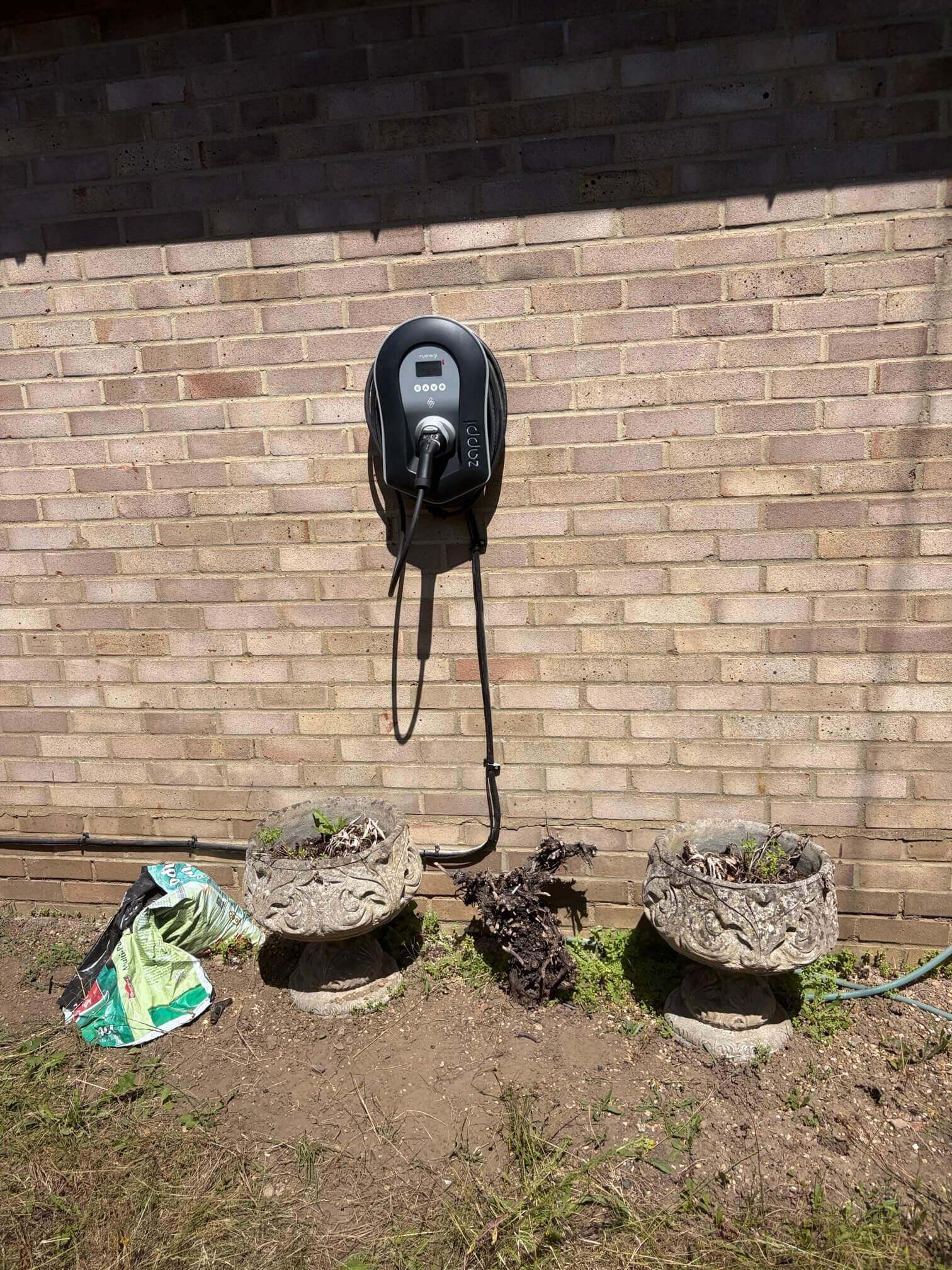
Zappi EV Charger Installation and Solar PV Servicing near Norwich




Electric11 serviced an existing solar PV system and installed a Zappi EV charger at a property in Cantley, giving the customer reliable solar generation and a smarter way to charge their electric vehicle at home. Our team inspected and tested the solar equipment, completed the necessary maintenance and commissioned the new charger for safe everyday use. This case study explains the work completed and the final result.
The completed work gave the customer a practical charging point, clearer oversight of the existing 8 kW solar system and documented confirmation that the inspected electrical installation was satisfactory.
Project Overview
This combined EV and solar project required the new charger to work safely alongside an established renewable-energy system. Electric11 assessed the supply, completed the charger installation and examined the key solar components before testing and handover.
Property and Equipment
- Location: Cantley near Norwich, Norfolk
- Property type: residential bungalow
- EV charger: tethered Zappi 2H22TB-G, rated up to 22 kW
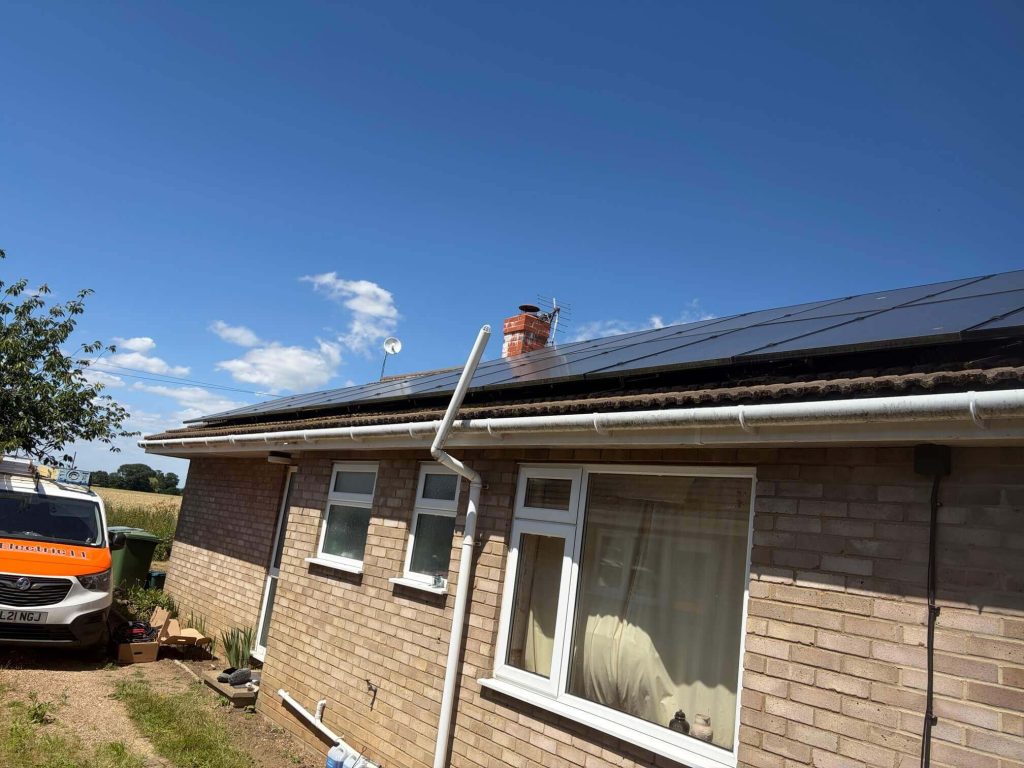
- Existing solar PV size: 8 kW
- Estimated solar output: 7,600 kWh per year
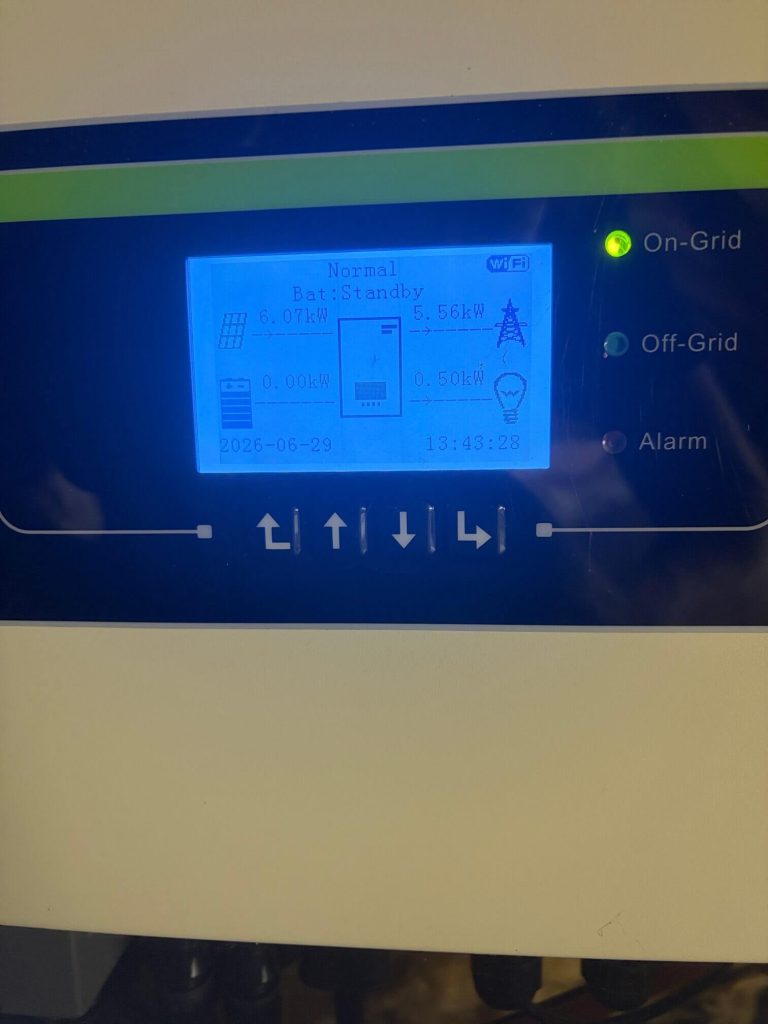
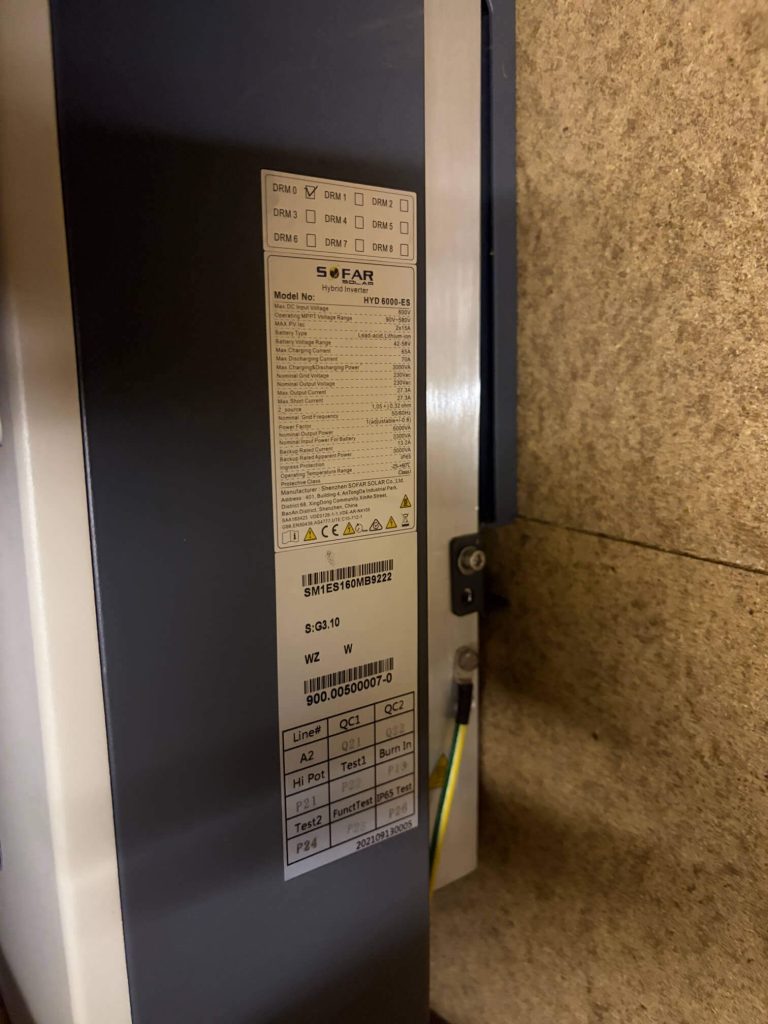
- Hybrid inverter: Sofar HYD 6000-ES
- Energy storage: existing battery system; verified capacity not available
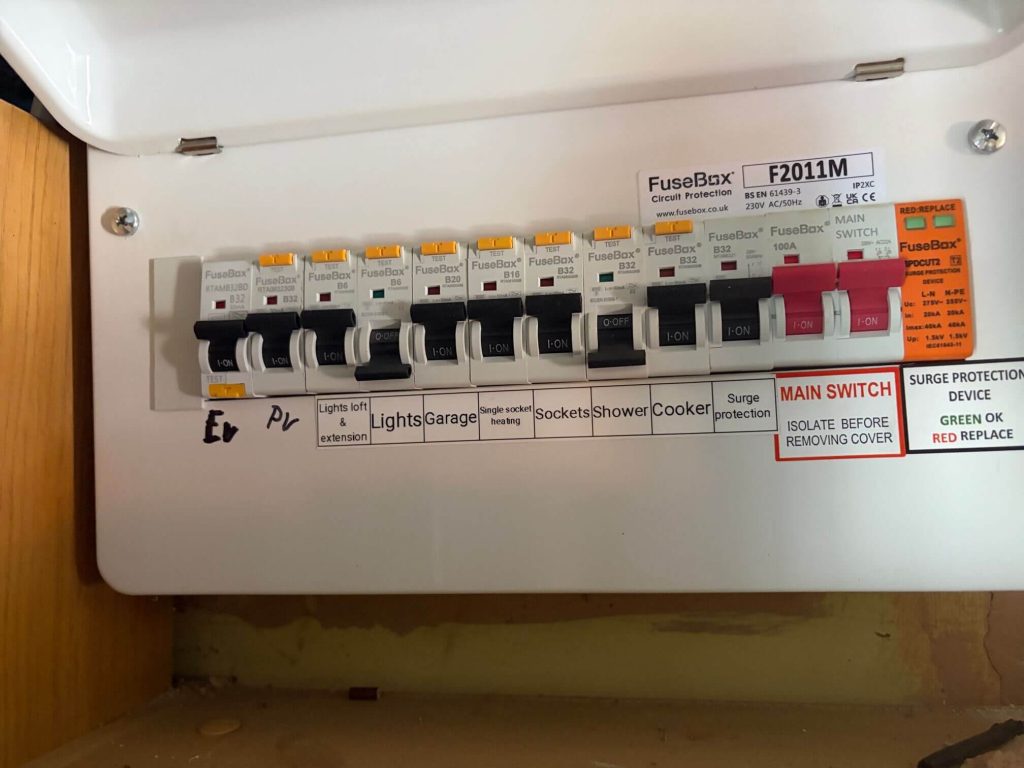
- Electrical protection: Type A RCBO and surge protection
- Testing: satisfactory EICR recorded for the inspected installation
Homeowners considering a similar installation can explore Electric11’s home EV charger services and guidance from an OZEV-approved EV charger installer in Norfolk.
The Customer’s Goal
The customer wanted dependable home charging for an electric vehicle while making better use of an existing solar PV and battery installation. The project also provided an opportunity to inspect the renewable-energy system and confirm that its electrical arrangements remained suitable.
Practical Charging with Solar Compatibility
The tethered Zappi gives the household a dedicated charging point with operating modes designed to work with available solar generation. This can increase the proportion of locally generated electricity used at the property when production, vehicle availability and household demand align.
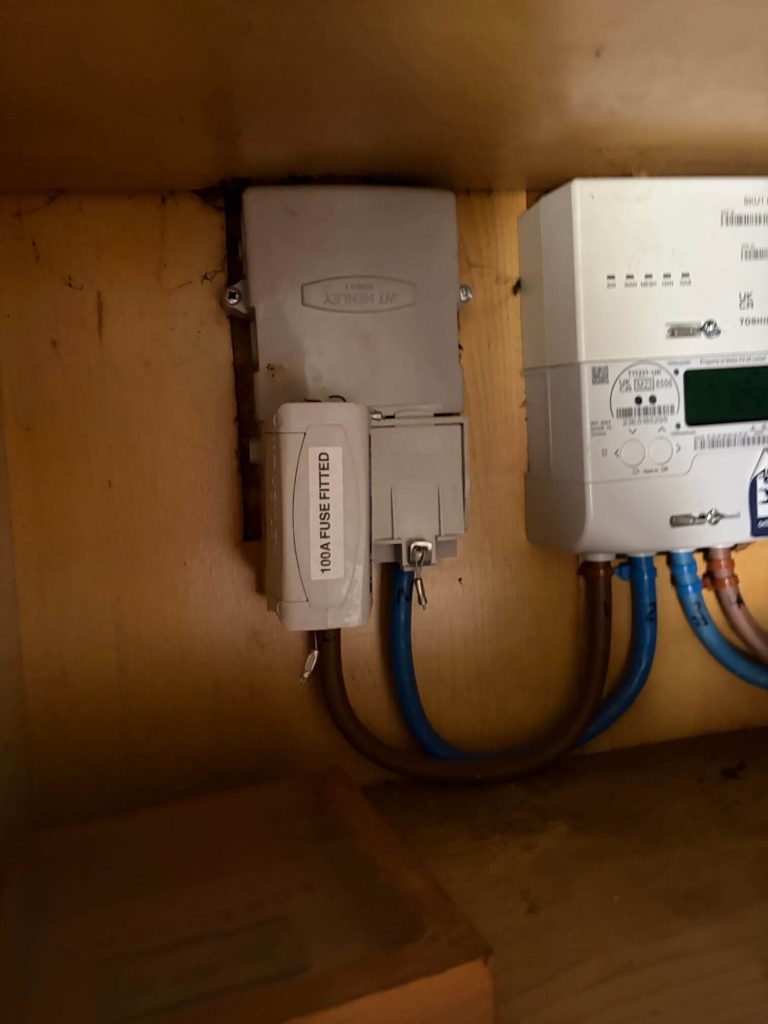
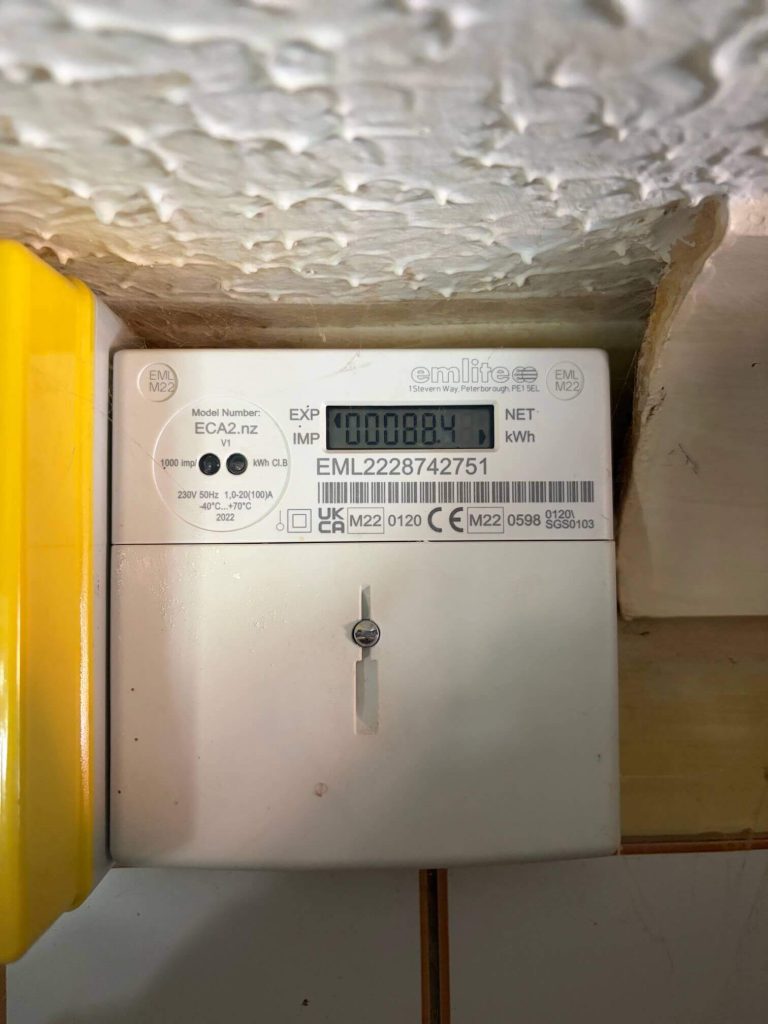
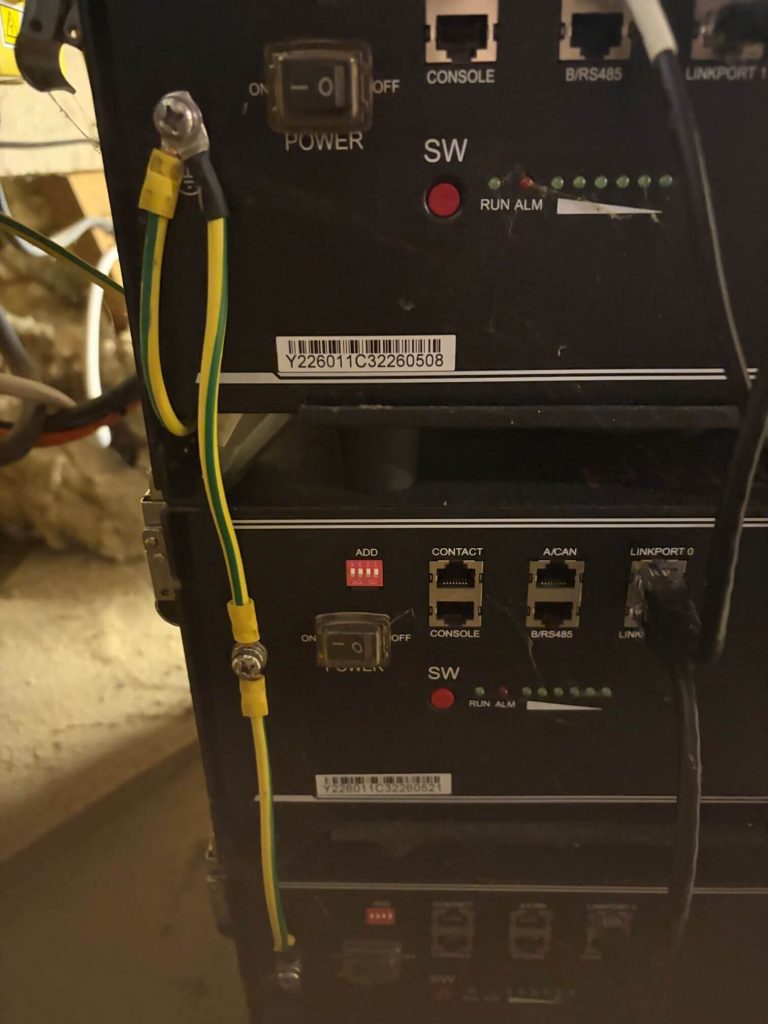
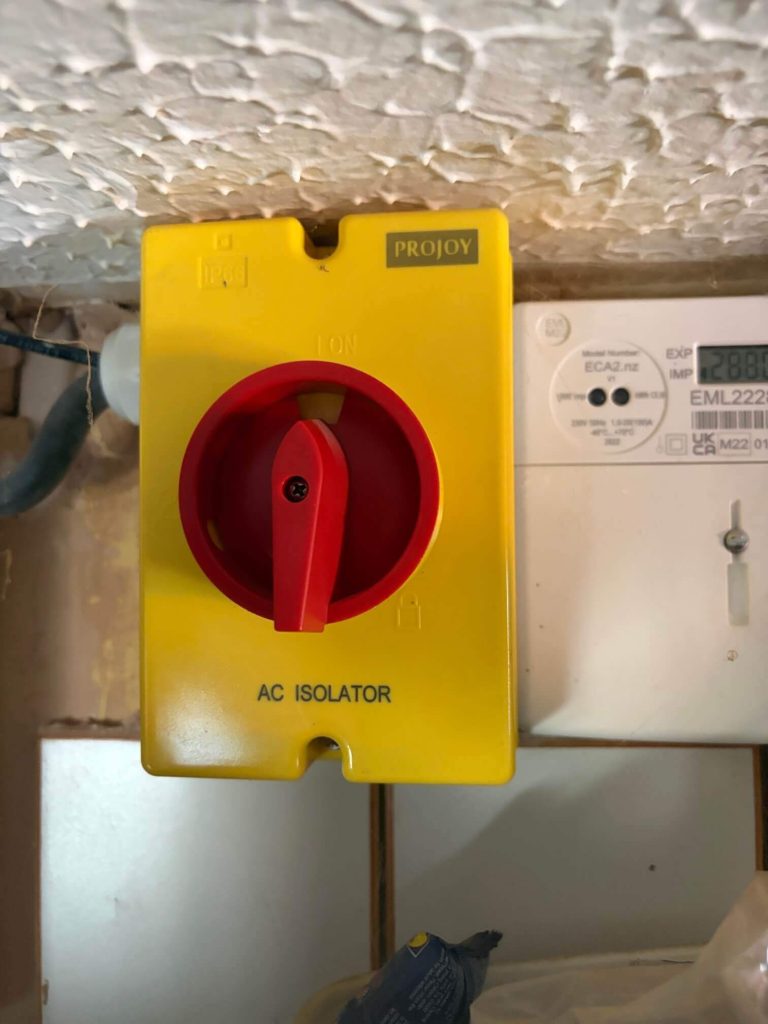
The existing solar array, inverter, meters, isolators, battery equipment and associated cabling were reviewed as part of the servicing work. Electric11 also examined the supply and protective devices needed for the charger connection.
The Electric11 solution
The solution combined a new wall-mounted charger with focused servicing of the existing solar installation. The work was planned around the property layout and the relationship between the main supply, consumer unit, solar equipment and charging point.
Zappi charger installation
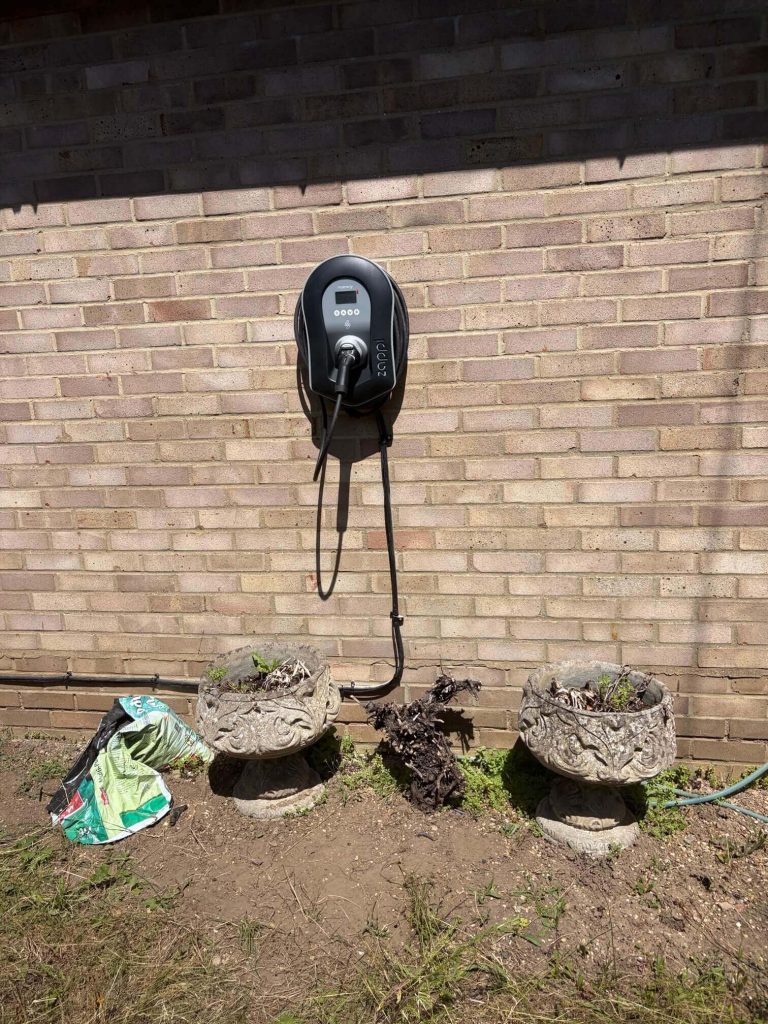
Electric11 installed the tethered Zappi on an external brick wall in a position convenient for vehicle access. The charger circuit was connected with suitable protection, and the team checked the supply arrangements before commissioning the unit.
The 22 kW model rating represents its maximum capability. Homes without a suitable three-phase supply, and vehicles with a lower onboard charging limit, will charge at a lower rate.
Solar PV and battery system service
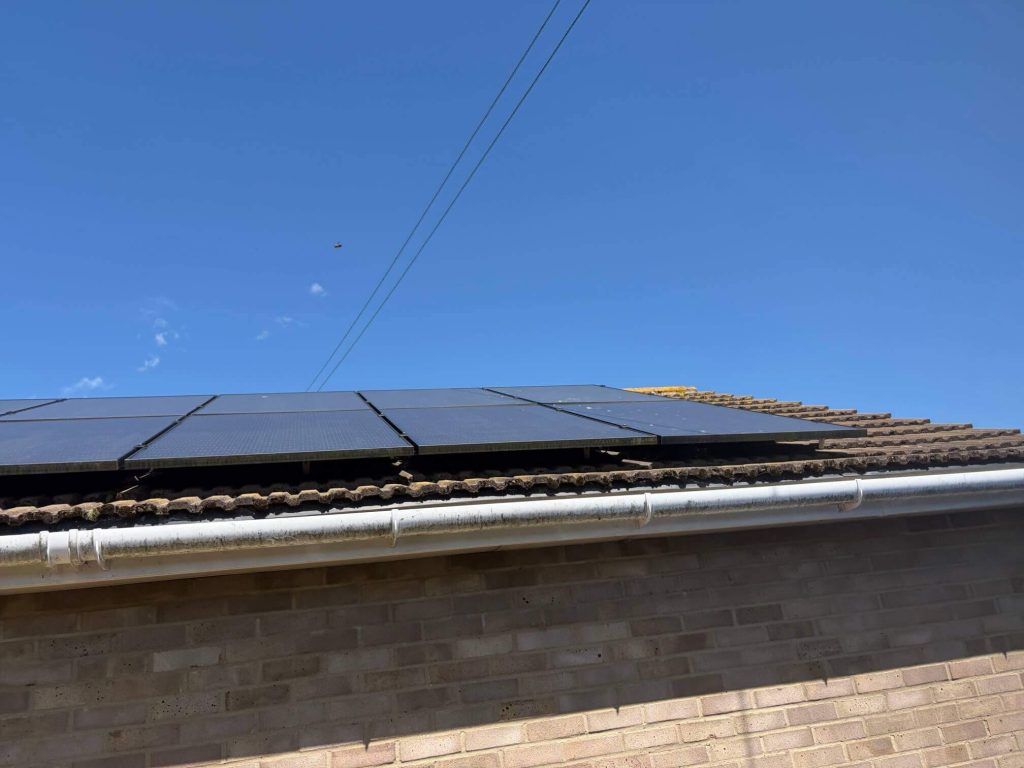
The service covered the visible condition and operation of the solar array and associated equipment. Checks included the roof-mounted panels, generation metering, AC isolation, hybrid inverter, battery modules, wiring and protective devices.
For ongoing care, Electric11 provides solar panel maintenance in Norfolk as well as complete solar panel installation services.
Electrical protection and certification
The installation included modern circuit protection and surge protection for the relevant circuits. Inspection and testing concluded with a satisfactory EICR for the inspected installation.
Customers who need formal checks can learn more about EICR certificates in Norwich and Electric11’s wider electrical services.
The Result
The customer now has a dedicated tethered Zappi charger alongside an inspected solar PV and battery system. The project brought EV charging, existing generation and electrical testing into one coordinated scope of work.
A Safer, More Useful Home-energy Setup
- Tethered Zappi charger installed in a convenient external position
- Existing 8 kW solar PV and battery equipment serviced
- Solar panels, inverter, metering, isolators and cabling checked
- Type A RCBO and surge protection incorporated in the electrical arrangements
- Satisfactory EICR recorded for the inspected installation
- Customer given a clear operational handover
Electric11 supports homeowners across the area through its local Norwich electrician service. More completed projects are available in the Electric11 case-study library.
Planning a Zappi charger or solar PV service?
Electric11 can assess the supply, propose a suitable charging solution and review existing solar equipment as one coordinated project. The team can also explain realistic charging rates, energy-use assumptions and the protection needed for the installation.
Book a Zappi Charger SurveyElectric11 is composed of a team of local electricians based in Attleborough, offering coverage to the entire Norfolk region. Moreover, through our extensive network, we have forged strong connections with quality tradesmen representing various disciplines in our area.
The Electric11 Installation and Servicing Process
Combined EV and solar work benefits from a coordinated approach because the charger, existing generation and property supply all interact. Electric11 followed four clear stages from assessment through to tested handover.
Existing supply and solar assessment
The team reviewed the property’s supply, metering, consumer unit and existing solar-and-battery equipment. This established the connection route and highlighted the components requiring inspection during the service.
Charger, protection and cable planning
Electric11 selected an accessible external position for the tethered Zappi and planned the circuit route. The design considered protective devices, cable requirements, the charger’s rated capacity and the property’s existing electrical infrastructure.
EV charger installation and PV servicing
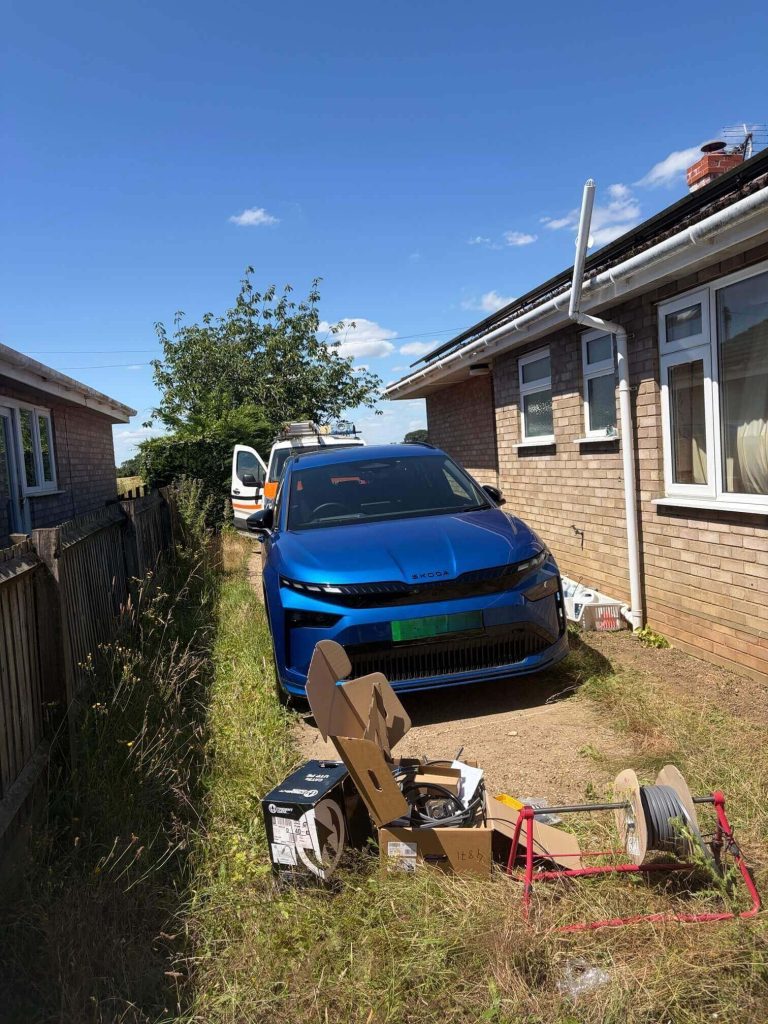
The charger was mounted, connected and configured. The team also checked the solar panels, isolators, meters, inverter, battery equipment and associated wiring for visible defects and operational concerns.
Testing, EICR and handover
The completed work was inspected and electrically tested, with a satisfactory EICR recorded for the inspected installation. The customer received an operational charging point and an explanation of the relevant controls and system behaviour.
Electric11 installed a tethered Zappi 2H22TB-G charger rated up to 22 kW. The actual charging speed depends on the property supply, charger configuration and vehicle.
Yes. Zappi operating modes can prioritise available surplus generation when the charger is correctly configured with the property’s metering and solar system. Results depend on solar output, household demand and vehicle availability.
The service covered the visible solar panels, generation metering, AC isolation, hybrid inverter, battery equipment, cabling and protective devices associated with the system.
An 8 kW solar PV rating describes the nominal combined peak capacity of the installed panels under standard test conditions. It is different from annual energy production, which is measured in kWh.
No. They are planning estimates based on documented output and stated assumptions. Weather, tariffs, export rates, system condition and on-site consumption will affect the result.
The work included inspection and electrical testing, and a satisfactory EICR was recorded for the inspected installation.
Inspection frequency depends on the equipment, environment, manufacturer guidance and observed performance. Owners should arrange a professional check if output falls, damage appears or the system reports a fault.

