

Home Battery Storage Experts in Wymondham
Home Battery Storage Wymondham
Electric11 offers unique and affordable home battery storage in Wymondham, tailored to your specific energy requirements.
Our scalable solutions ensure you can expand your storage capacity as your energy needs grow.
Our experience, reliability, and professionalism make us the top choice for home battery storage in Wymondham.
Send us a message
"*" indicates required fields




Wymondham-Based Certified Battery Storage and Solar Photovoltaics Installers
We are certified Solar Installers through the MCS (Microgeneration Certification Scheme) accreditation, a mark of quality and expertise in the renewable energy industry.
We are dedicated to delivering the best battery storage for homeowners. We excel in battery storage installation and commissioning electrical energy storage systems. Our expertise and third-party accreditation ensure your home has the best energy solutions.
5 Star Reviews
100+
Services Delivered
500+
Years in Business
7+


What is a Battery Storage for Homes?
Home battery storage systems are an innovative and convenient solution that allows you to store electricity for later use, offering unparalleled convenience and significant cost savings.
These systems provide significant advantages that can improve your everyday life and contribute to your financial stability, whether sourced directly from the grid or used in a renewable energy configuration.
On-Grid Battery Storage Systems for Wymondham
On-grid battery storage systems, often called grid-connected or grid-tied batteries, allow Wymondham residents to store excess energy generated by solar panels or acquired from the grid during off-peak periods.
The systems installed by Electric11 are intended to work alongside the UK Power Network, either sending power back or drawing it in to help balance energy supplies and demand.
Key Features of On-Grid Systems:
- Connected to the primary power grid
- Enhance grid stability and support renewable energy integration
- Use grid-following Power Conversion Systems (PCS) that synchronise with the grid’s voltage and frequency
5 Star Reviews
100+
Services Delivered
500+
Years in Business
7+
Retrofitting Home Battery Storage
Retrofitting a home battery storage in Wymondham is an excellent option for homeowners looking to enhance their energy setup. Whether you have solar panels or rely entirely on grid electricity, retrofitting allows you to integrate a modern energy storage solution without needing a complete system overhaul.
Benefits include:
- Seamless Integration
Add a battery to your energy system with minimal disruption. - Scalability
Expand your system’s capacity as your energy needs evolve. - Improved Efficiency
Optimise energy use and reduce wastage.
Our team specialises in retrofitting battery storage systems, ensuring compatibility with your existing setup and delivering maximum performance and savings
5 Star Reviews
100+
Services Delivered
500+
Years in Business
7+


Benefits of Battery Storage for Homes in Wymondham
Battery storage for homes is an innovative solution that allows you to store electricity for later use, providing both convenience and cost efficiency.
Whether sourced directly from the grid or used as part of a renewable energy setup, home battery systems offer:
Enhanced Energy Management
Store energy during off-peak hours and use it at higher prices.
Backup Power Supply
Keep essential appliances running during outages.
Sustainability
Lower your reliance on non-renewable energy sources, reducing your environmental impact and making you feel responsible and eco-friendly.
Reduced Peak Demand
Battery systems can help lower electricity prices by storing energy during low demand and releasing it during high demand.
Integration of Renewable Energy
Store excess energy when generation is high with direct integration of solar and wind energy.
5 Star Reviews
100+
Services Delivered
500+
Years in Business
7+
Emergency Power Supply Installation
At Electric11, we understand the importance of maintaining power during unexpected outages. That’s why we offer the option to install an Emergency Power Supply system in your home.
This innovative solution ensures you still have electricity on dedicated circuits throughout your house, even during a power cut.
Key Features of Our Emergency Power Supply System:
- Dedicated Circuits
We can configure your emergency power supply to keep essential circuits such as lighting, refrigeration, and heating systems operational. This allows you to continue using critical appliances and maintaining comfort during outages. - Seamless Transition
Our emergency power supply systems are designed for quick and automatic switching. When a power outage occurs, the system automatically kicks in, ensuring you experience minimal disruption. - Enhanced Peace of Mind
With an emergency power supply installed, you can rest easy knowing you are prepared for unforeseen circumstances. This added contingency protection is especially valuable during severe weather events or other emergencies.
5 Star Reviews
100+
Services Delivered
500+
Years in Business
7+


Battery Storage installation Costs Wymondham
Our battery storage installation costs in Wymondham start from just £2500.00 and are currently VAT-exempt. The battery systems we install are designed to enhance energy efficiency, allowing you to store excess energy generated from renewable sources.
With advanced battery technology, you can reduce your reliance on the electricity grid, lower your energy bills, and enjoy greater energy independence.
Plus, our team at Electric11 offers installation support, ensuring that you have a hassle-free experience. Invest in your energy future with our reliable and eco-friendly battery storage solutions today!
5 Star Reviews
100+
Services Delivered
500+
Years in Business
7+
Who home battery storage best for in Wymondham
Battery storage isn’t just for “solar households.” It’s a strong fit for Wymondham homeowners who want to reduce grid usage, smooth out energy costs, and take more control over when they use electricity.
Homes with solar panels (maximize the power you already generate)
If you already have solar PV, a battery lets you store surplus electricity during the day and use it later in the evening—when most households use the most power. This is often the simplest way to increase your self-consumption and reduce reliance on the grid.
Homes on smart or time-of-use tariffs (shift usage to cheaper hours)
Even without solar, battery storage can work well if you’re on a tariff where off-peak electricity is cheaper. The idea is simple: charge the battery during lower-rate periods and use that stored power when rates are higher.
Households with high evening usage
If your busiest energy window is late afternoon through bedtime (cooking, heating controls, entertainment, home offices), a battery can help cover that peak demand and reduce the amount you draw from the grid at the most expensive times.
5 Star Reviews
100+
Services Delivered
500+
Years in Business
7+
EV owners planning a smarter home energy setup
If you’re charging an EV at home (or plan to), battery storage can be part of a joined-up system alongside solar and a smart charger—helping you make better use of self-generated energy and manage household demand more efficiently.
Homes that want extra resilience and energy independence
Some Wymondham homeowners choose battery storage because they want greater energy independence and a more future-ready electrical setup—especially when paired with other planned upgrades (like solar PV, EV charging, or a consumer unit upgrade if needed).
Already have solar? We can recommend battery storage that fits your usage and existing system.
No solar yet? Battery storage can still be worthwhile with the right tariff and usage pattern.
5 Star Reviews
100+
Services Delivered
500+
Years in Business
7+
Battery sizing made simple (rule-of-thumb guidance)
Battery sizing doesn’t need to be complicated. The easiest way to choose the right capacity is to start with how much electricity you use each day, then size your battery to cover the part of your usage you want to shift into stored energy (usually evenings and overnight).
Step 1 — Find your daily usage (kWh)
Check your electricity bill (or smart meter app) for your typical usage. As a reference point, Ofgem estimates a typical household uses around 2,700 kWh of electricity per year (roughly 7–8 kWh per day).
Step 2 — Choose your goal (this sets the size)
Pick the outcome you want most:
Maximise solar self-use: aim to store enough to cover your evening/overnight usage when solar isn’t generating.
Shift usage on time-of-use tariffs (no solar): size to cover your peak-price hours (typically late afternoon to bedtime).
Future-proof for EV / bigger loads: allow extra headroom if you’re adding EV charging or other upgrades later.
Step 3 — Quick sizing guide (most homes)
Use this as a simple starting point, then fine-tune based on your actual usage pattern:
1–2 bedroom / lower usage: 3–5 kWh
Typical 3-bed home: 5–10 kWh
Larger homes / higher usage or EV plans: 10–15 kWh
A practical rule that works in real homes
A good rule of thumb is to size your battery so it can cover the electricity you actually want to use later (most commonly evening + overnight), rather than trying to store your entire day’s usage.
Important note (usable vs. labelled capacity)
Battery “kWh” ratings can include usable capacity limits (battery protection settings). That’s why we confirm your usage profile and goals during the survey before recommending the final capacity.
If you tell us your average daily kWh (from your bill) and what you want the battery to do (solar self-use, tariff shifting, or future EV), we can recommend the best-fit size for your Wymondham home.
Battery + solar + EV charging together (a smarter Wymondham home energy setup)
If you’re planning solar panels, a home battery, or an EV charger, it often makes sense to design them as one joined-up system. Done properly, solar generates the energy, the battery stores it for later, and the EV charger lets you use more of that power where it makes the biggest difference—at home.
How the “triad” works (simple example)
Daytime: your solar panels generate electricity first for the home, then charge your battery with surplus.
Evening: the battery supplies power when solar isn’t generating, reducing how much you buy from the grid.
Overnight: if you’re on a smart tariff, you can top up the battery during cheaper hours and set the EV charger schedule to match your routine.
Why combining them is better than adding them one at a time
Better system design from the start: cable routes, device placement, and future expansion are planned properly.
Smarter energy usage: a battery helps you use more of your self-generated electricity instead of exporting it.
Future-ready electrical setup: adding EV charging and renewables can increase demand, so we’ll check capacity and recommend any upgrades if needed.
Best-fit guidance (quick recommendations)
Already have solar? Adding a battery is usually the next step to increase self-use and reduce evening grid usage.
Getting an EV soon? Consider installing a smart charger with solar/battery-ready capability so everything works together.
Starting from scratch? We can plan solar + battery + EV charging as one project so your system is sized and installed with your long-term needs in mind.
Tell us what you have now (solar, EV, or neither) and your typical usage, and we’ll recommend the best way to build a joined-up solar + battery + EV charging setup for your Wymondham home.
Book an free quoteEnvironmental Benefits of Battery Storage
Implementing battery storage systems in your home can contribute to significant environmental benefits:
Reduced Greenhouse Gas Emissions
By promoting the increased integration of renewable energy sources and reducing dependence on fossil fuel-based power plants, you’ll not only save money but also contribute to a cleaner, greener planet.
Improved Air Quality
Minimise reliance on fossil fuel power plants and significant air pollution sources.
Reduce Your Reliability On Grid Electricity
Solar batteries enable the storage of electricity solar panels generate for later use. Instead of returning excess electricity to the grid, you can save it for your consumption:
- Use stored energy overnight or during cloudy days.
- Reduce your reliance on grid electricity.
- Maximise your use of renewable energy, lowering your carbon footprint and energy bills.
Our team at Electric11 offers seamless integration of solar batteries with your solar panels or existing systems, ensuring you get the most out of your renewable energy setup.
Our Service Promise

We ensure that we will communicate well with each and every customer

Arrive on time and produce a prompt and comprehensive quotation

Undertake each task to the highest safety and workmanship standards
Why choose us
Our goal is to provide seamless and professionally installed solar panels. From initial consultations and system design to expert installation and ongoing maintenance, we’ll guide you every step of the way. We’re thrilled to be at the forefront of the clean energy revolution!
Our mission is to energise Norfolk homes and businesses with sustainable, renewable power that benefits our community and helps protect the planet.
Electric11 is committed to exceptional service, ensuring your solar panels operate efficiently for years to come, maximising your return on investment and minimising your environmental impact.
When considering a solar installation, choosing the right solar panel installation company can ensure a positive experience and guarantee the efficiency of your renewable energy installation.
Contact Electric11 today for a free consultation and quote. Our team of experts is prepared to help you start your journey towards a cleaner, more cost-effective energy future. Don’t wait to save on your Wymondham energy bills, and let Electric11 help you reduce your carbon footprint.
Solar Battery Storage Wymondham
At Electric11, are your local Electrician in Wymondham we offer advanced solar battery storage in Wymondham throughout Norfolk. As an experienced and trusted solar battery installer in Wymondham, we understand the importance of maximising the energy generated from your solar panels.
Our solar battery storage systems allow Wymondham homeowners to store excess electricity produced during sunny days, ensuring you can utilise this clean energy even when on cloudy days.
Our solar battery storage offers many advantages, such as enhanced energy independence and decreased dependence on the grid. We help you utilise excess energy to reduce electricity expenses.
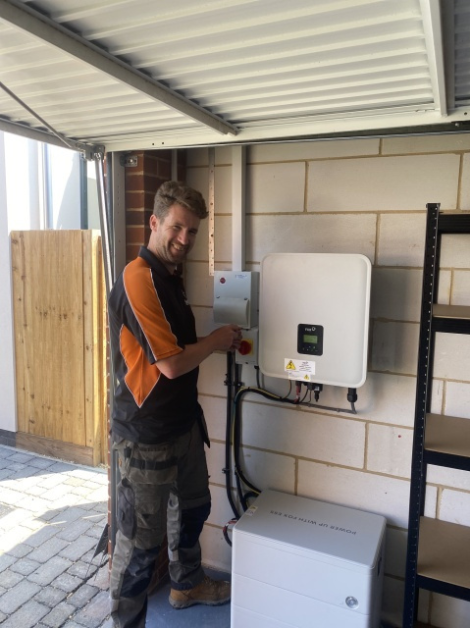
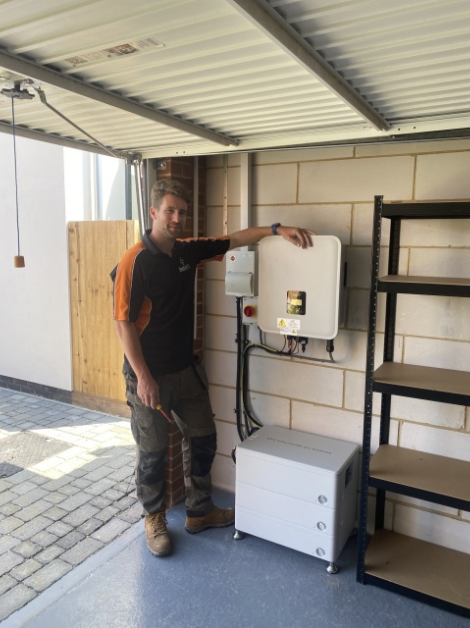
Our battery systems also offer a reliable backup power source during outages, keeping essential appliances and systems operational when you need them most. We take pride in our commitment to quality and customer satisfaction.
Our experienced team at Electric11 will help you through the entire process, from initial consultation and assessment of your energy needs to expert installation and ongoing support.
We tailor our solar battery storage solutions to your requirements, ensuring optimal performance and efficiency. With our solar battery storage systems, you can decrease your electricity bills and live more sustainably.
5 Star Reviews
100+
Services Delivered
500+
Years in Business
7+


Why choose Electric11 as your Electrical Service Provider?
At Electric11, we provide a free, no-obligation quote. Our team will conduct a detailed survey of your property, assessing your roof space, current energy usage, and electrical capacity. This meticulous approach ensures that we design a system that perfectly fits your needs.
Additional Applications of Solar: Powering More Than Just Homes
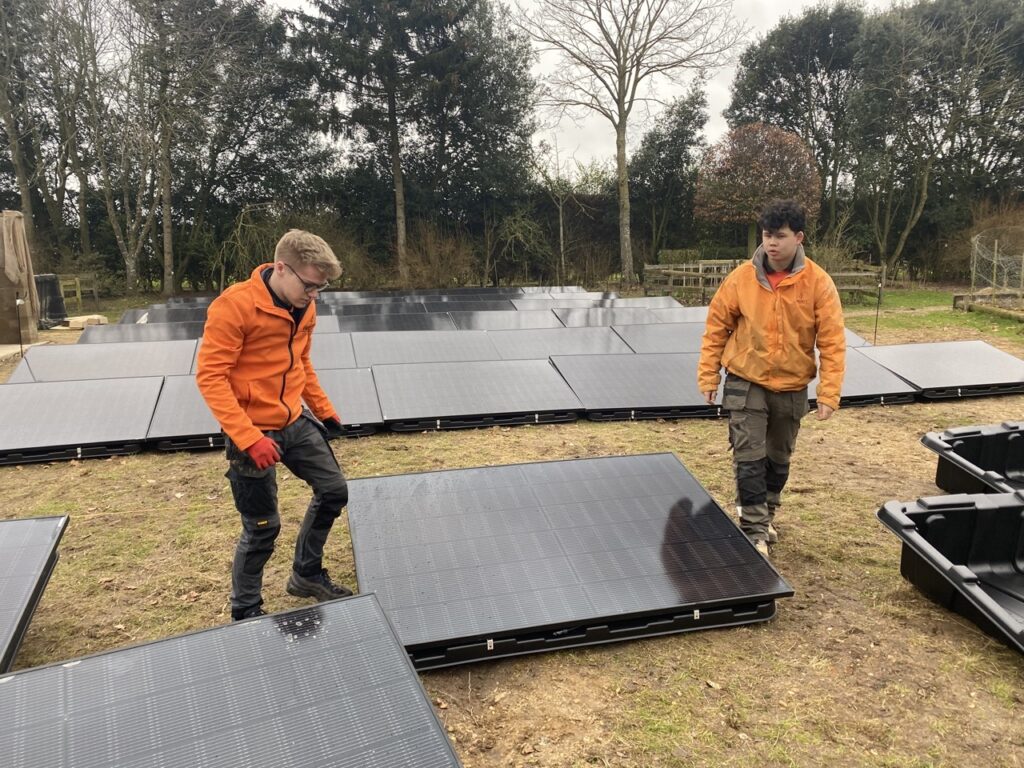
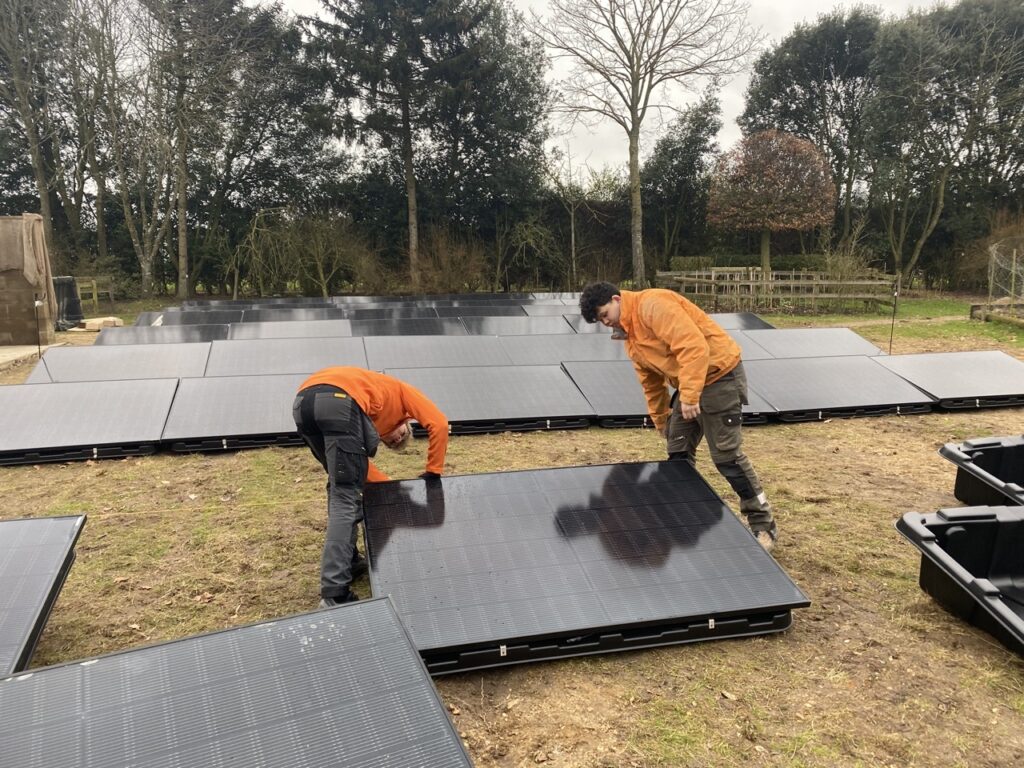
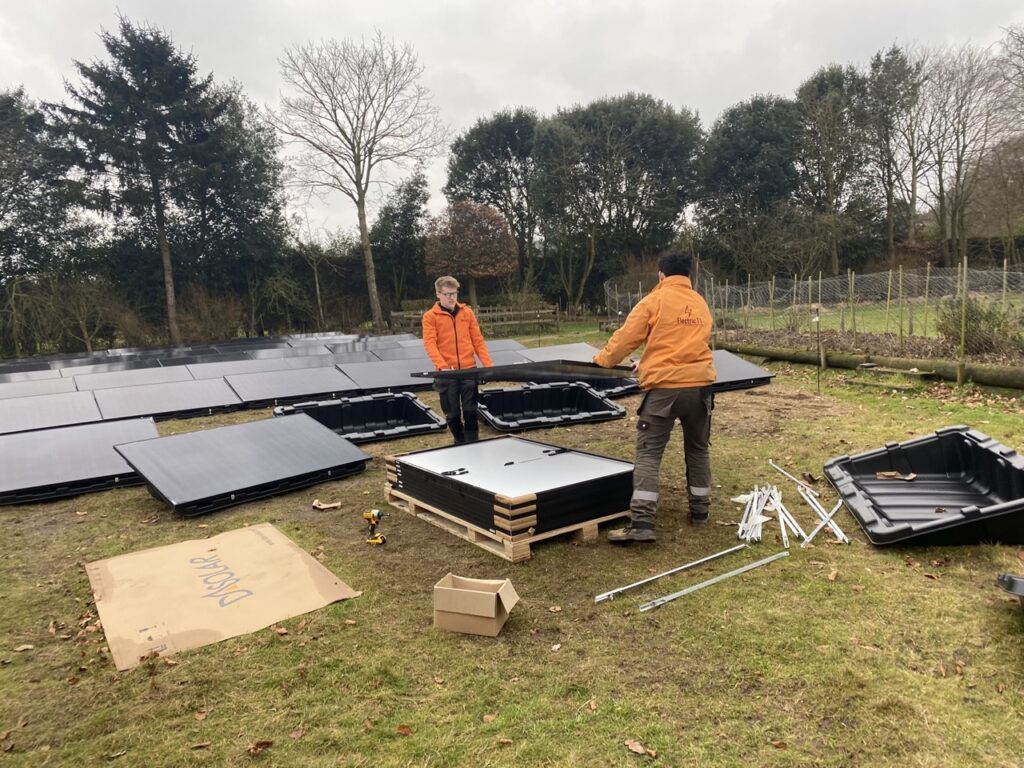
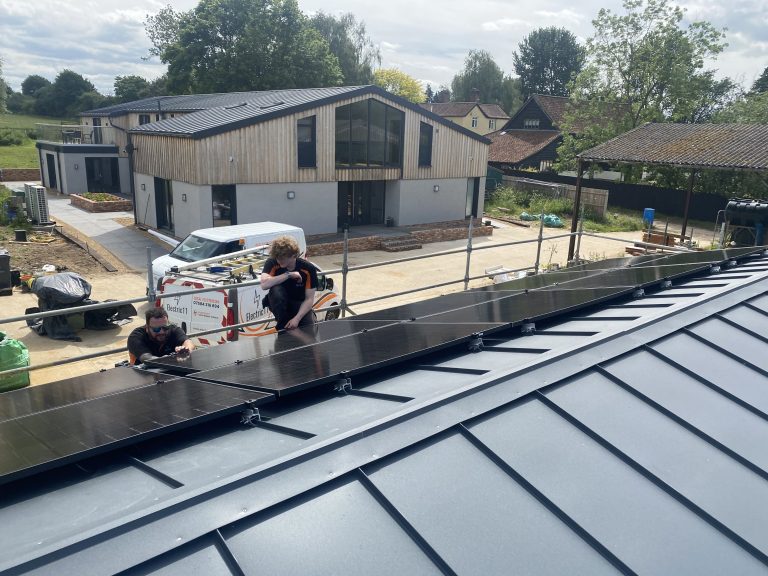
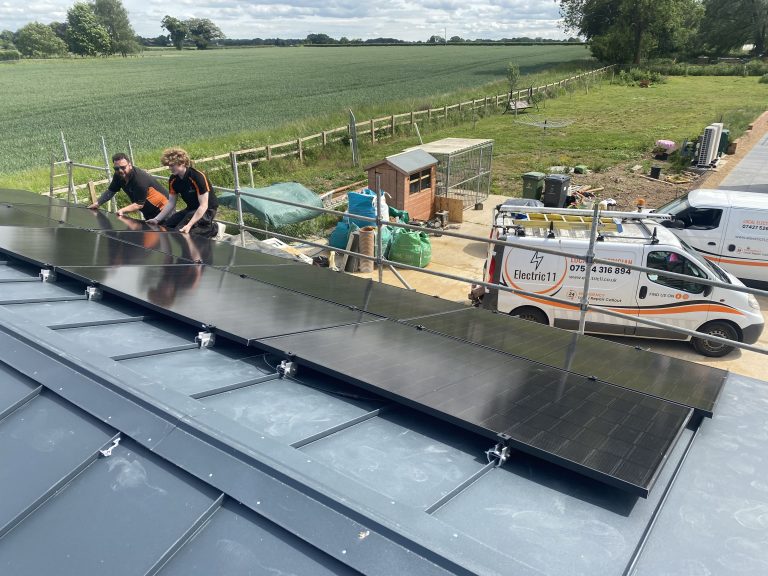
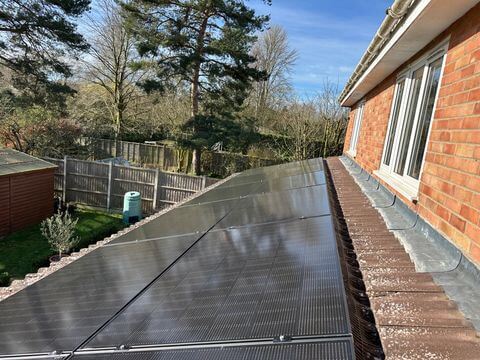
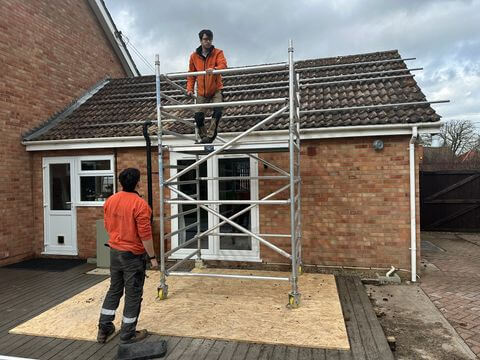
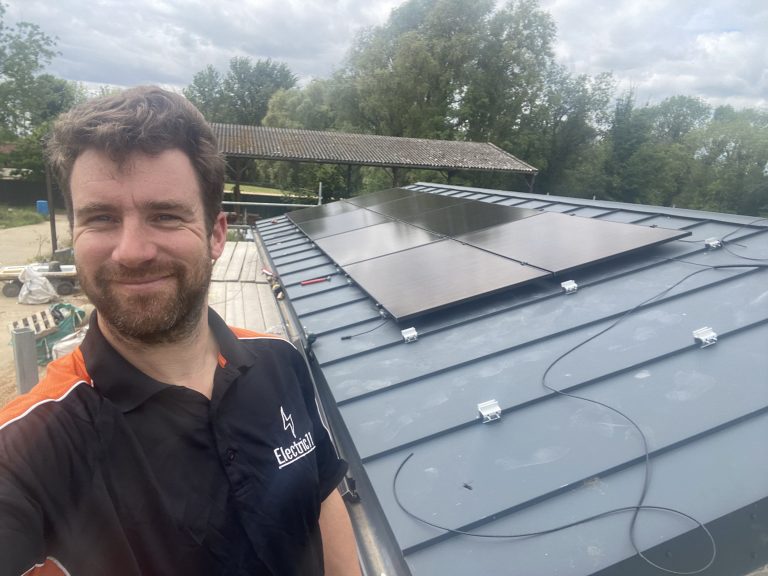
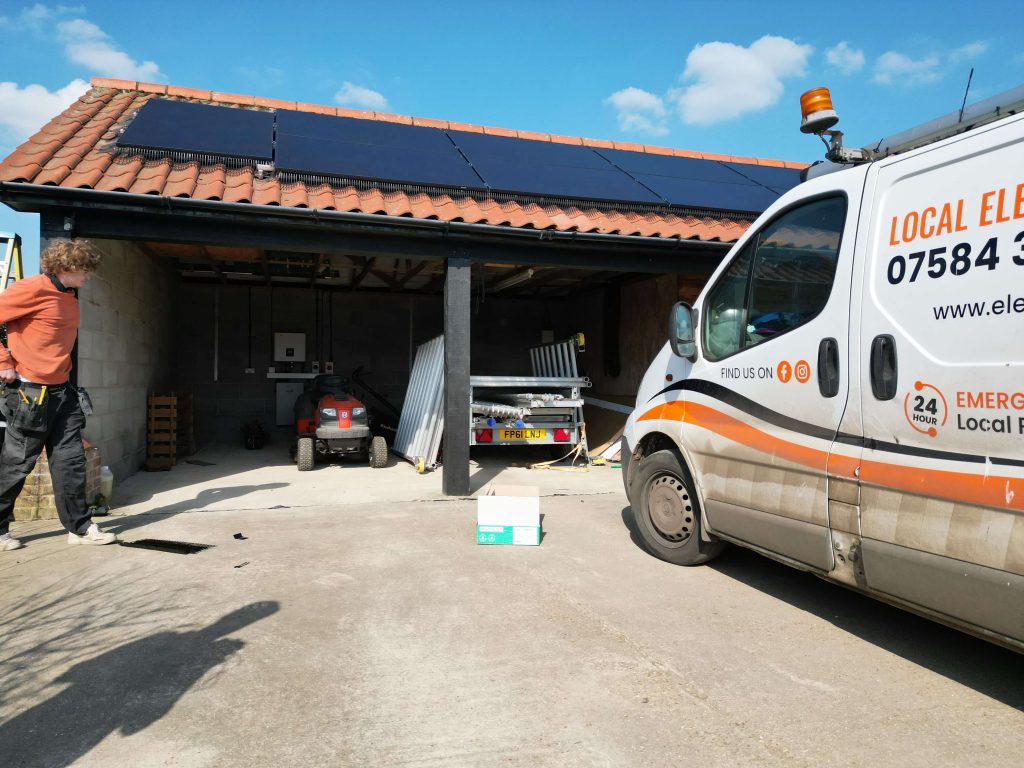
Solar technology isn’t limited to rooftops or domestic installations, it can be applied across a wide range of settings. From agricultural barns and office buildings to electric vehicle charging stations and community projects, solar panels offer a flexible and sustainable way to generate clean energy.
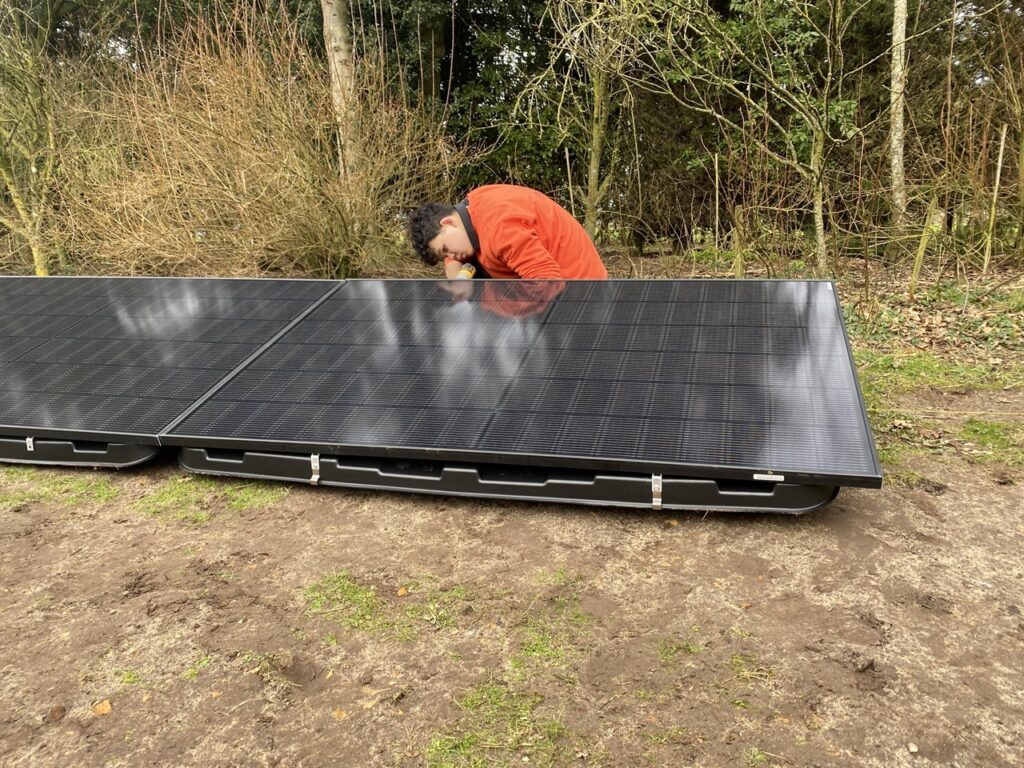
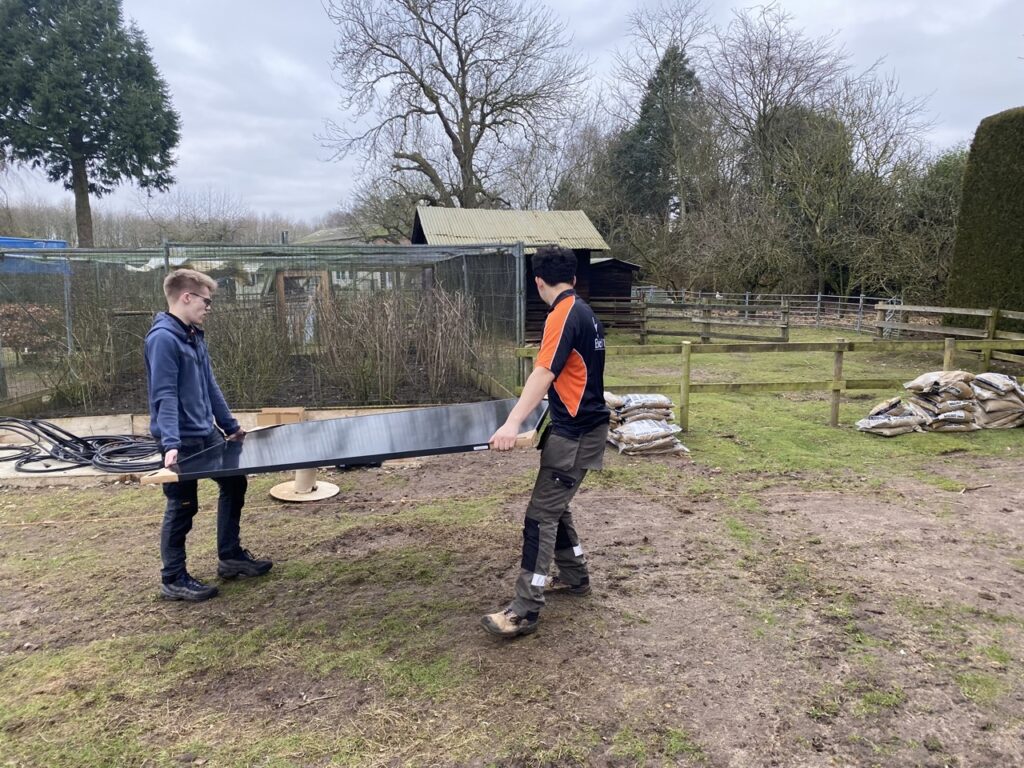
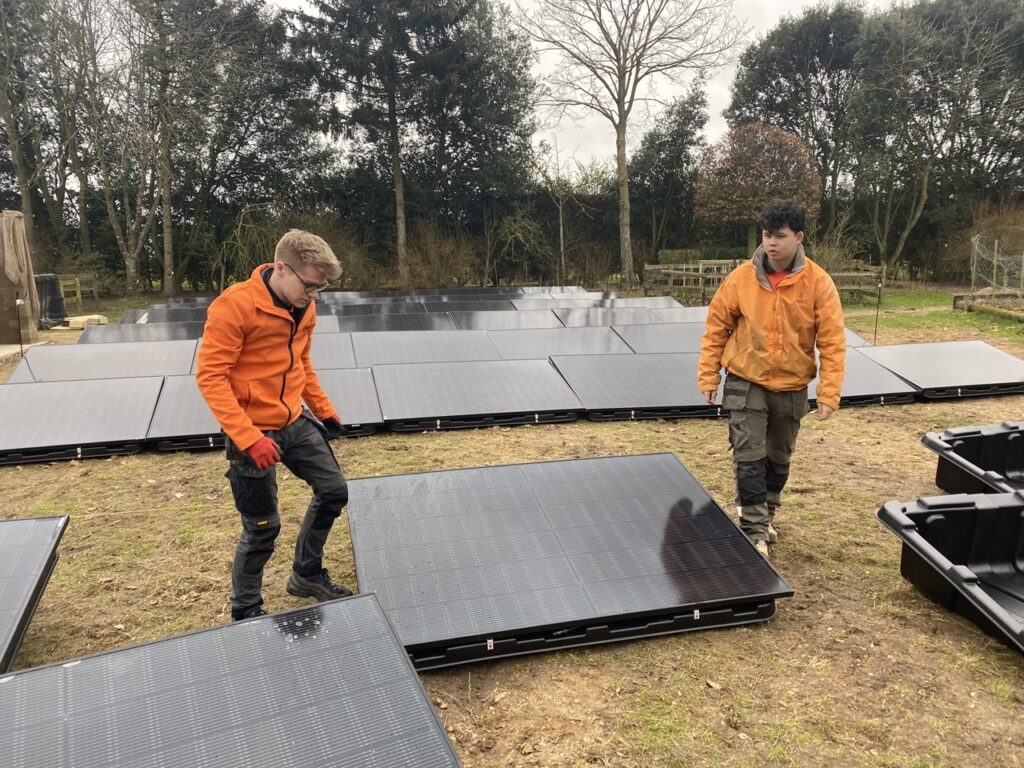
Whether mounted on the ground, integrated into carports, or used to support lighting and heating systems, solar power can help reduce energy costs and carbon emissions in almost any environment.













Home Battery Storage FAQs for Wymondham Homeowners
If you’re considering battery storage in Wymondham, these FAQs cover the most common questions homeowners ask—costs, sizing, retrofits, grid-tied compatibility, and backup power options—so you can make a confident decision before booking a survey.
Book your free site surveyHow much does home battery storage installation cost in Wymondham, and is it currently VAT-exempt?
Electric11 home battery storage installation in Wymondham starts from £2,500 and is currently VAT-exempt. Your final quote will depend on your preferred battery capacity, your existing electrical setup, and whether you’re pairing storage with solar PV, a smart tariff strategy, or future EV charging.
What size home battery (kWh) do I need for my Wymondham home based on my daily electricity usage and goals (solar self-use, tariff shifting, or EV plans)?
A simple starting point is to match your battery size to the part of your daily usage you want to cover later (typically evening + overnight). As a quick guide: 3–5 kWh suits many 1–2 bedroom homes, 5–10 kWh suits many typical 3-bed homes, and 10–15 kWh can fit larger homes or households planning EV charging. Electric11 will confirm your usage profile and recommend a best-fit size during your survey.
Can you retrofit a battery storage system to my existing solar PV setup in Wymondham without replacing my current inverter or electrics?
Yes—retrofitting is often a straightforward way to add battery storage without a complete system overhaul. Electric11 assesses compatibility with your existing solar PV and electrical setup, then installs and commissions an electrical energy storage system designed for seamless integration, minimal disruption, and future scalability if your energy needs change.
Will my Wymondham battery storage system work with UK Power Networks for grid-tied operation (import/export) and smart/time-of-use tariffs?
Electric11 installs on-grid (grid-tied) battery systems designed to operate alongside the local electricity network—charging from solar or from off-peak grid electricity and supplying your home when electricity is more expensive. Where applicable, your system can also support exporting electricity back to the grid, depending on your setup, permissions, and tariff arrangement.
Can you install an Emergency Power Supply (backup) setup in Wymondham, and which circuits (e.g., lights, fridge, heating controls) can be kept running during an outage?
Yes. Electric11 can configure an Emergency Power Supply option that keeps dedicated circuits running during a power cut—commonly lighting, refrigeration, and heating controls. The changeover is designed to be quick and automatic to reduce disruption, and your survey will determine which circuits are best to prioritise for backup power.
Additional Services from Your Local Electrician in Wymondham
Whether you are looking to modernise a period property or invest in the latest green technology, our core services are designed to cover every electrical eventuality. From rapid emergency repairs to large-scale installations, Electric11 is proud to be the trusted electrician in Wymondham for homeowners, landlords, and businesses.
EICR Certificate
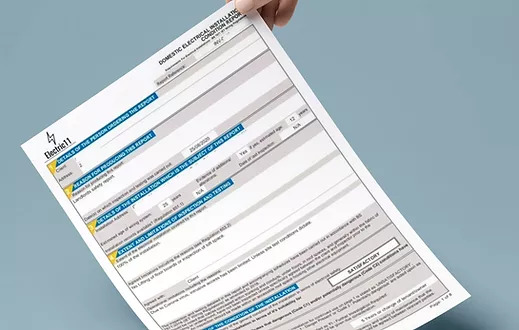
When you’re a landlord who needs to meet legal electrical safety requirements (or you want proof the fixed wiring is safe for a sale/purchase or a business premises).

When you want faster, safer charging at home or work, with a dedicated circuit, full testing/commissioning, and the right certification.
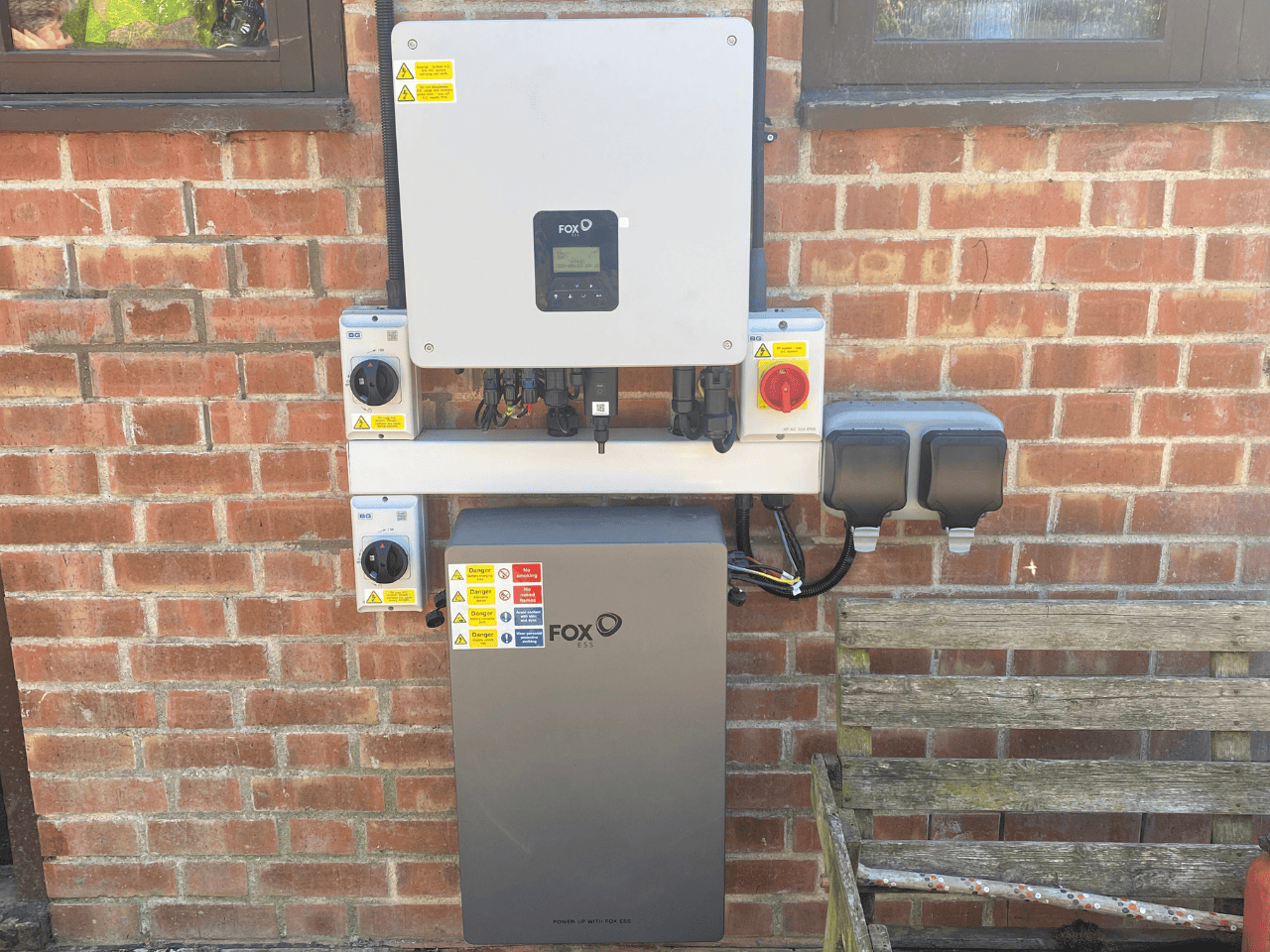
Solar and Battery Installation
When you want a properly designed solar and optional home battery system to reduce energy costs and make better use of renewable power.
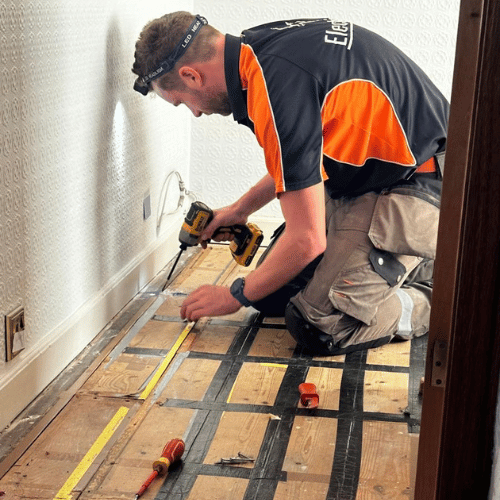
When your property is 25–30+ years old, you’re getting frequent trips, you’ve got outdated wiring, you lack sockets, or you’re renovating/extending (including loft conversions).
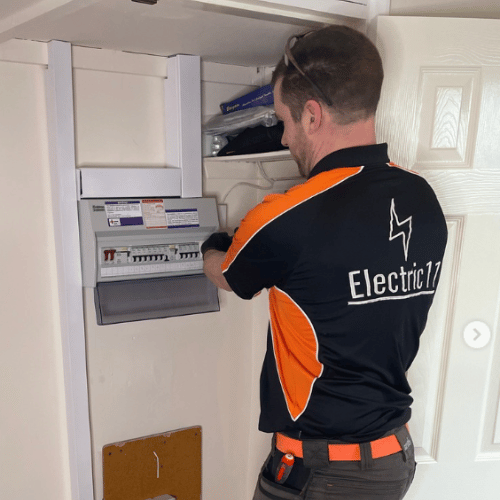
When your fuse board is outdated or you’re adding higher-demand upgrades (like EV charging/solar), and you need a modern consumer unit installed with the right notifications and paperwork.

When you’re responsible for plug-in appliance safety in a workplace or rental (one-off or ongoing), and you want to stay compliant with minimal disruption.
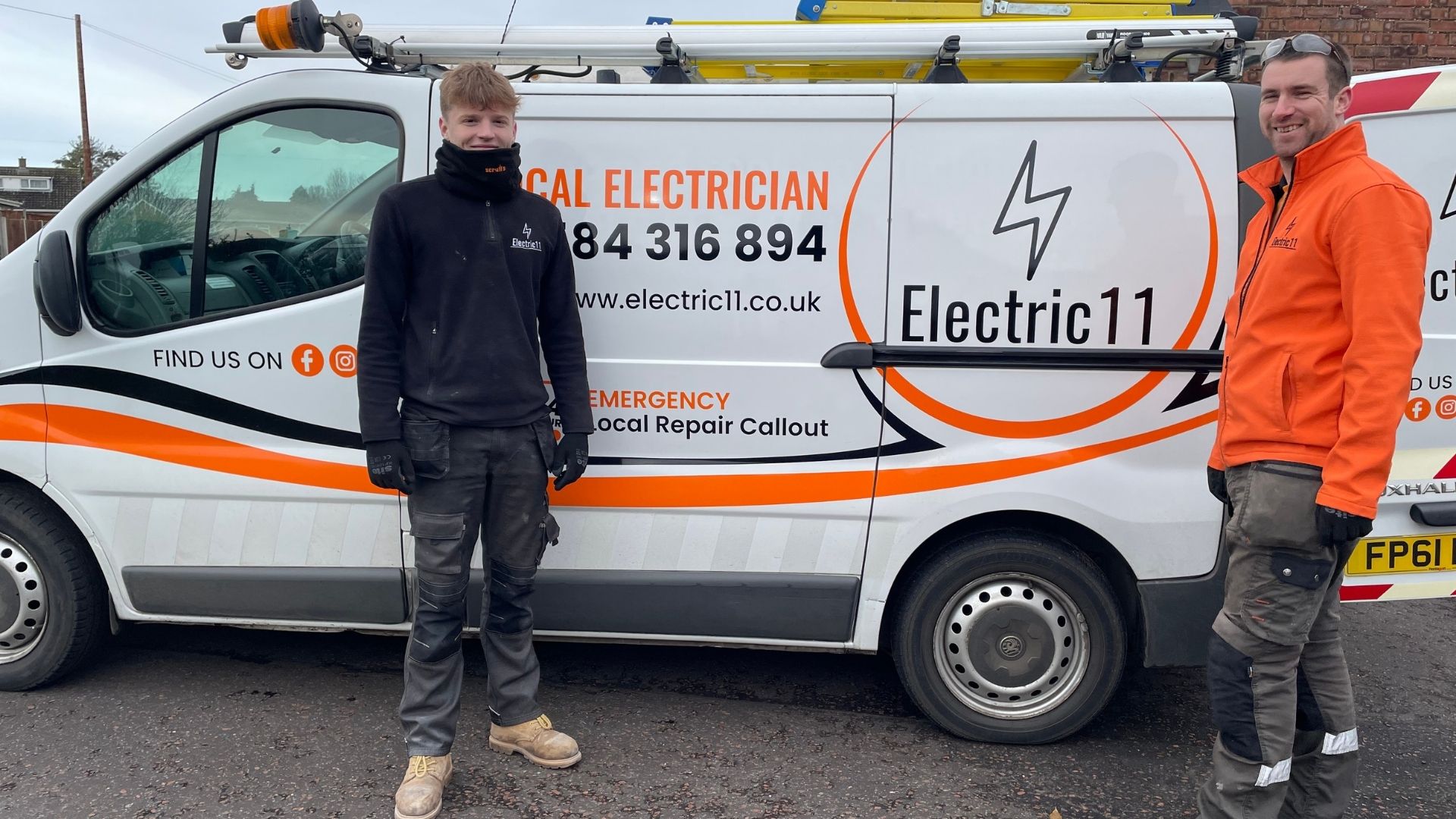
Fault Call Out / Emergency Electrician
When you have an urgent risk or loss of power—like repeated RCD trips, sparking/burning smells, or storm/flood-related electrical damage.
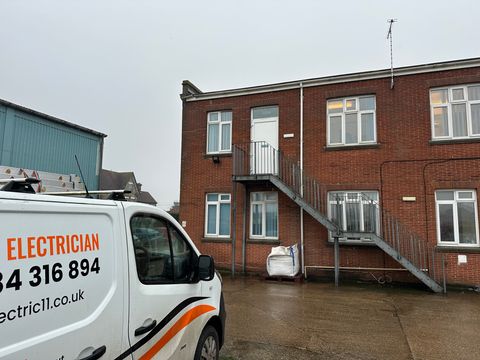
When your business needs planned installation work, inspections, or upgrades handled by one accountable team through to proper testing and certification.
Case studies
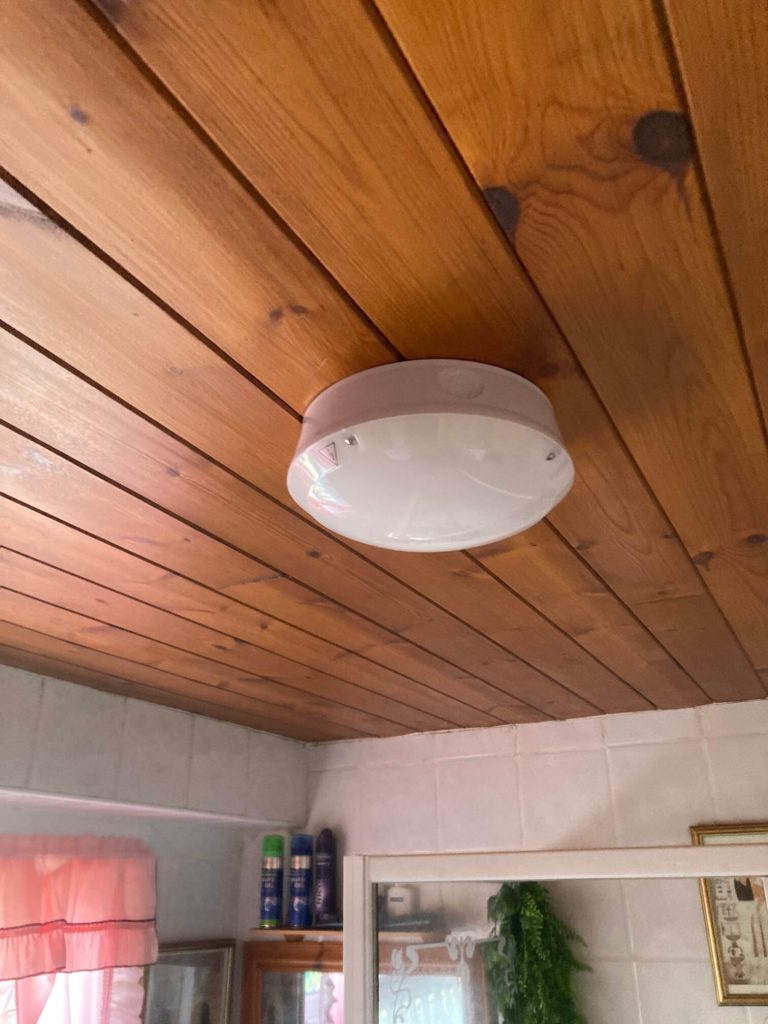
Thetford Electrical Remedial Works
Electric11 carried out electrical remedial works at a Thetford property, including a new consumer unit, water and gas bonding, replacement lighting and accessories, and an immersion cupboard isolator. The notes specify a satisfactory EICR to follow completion.
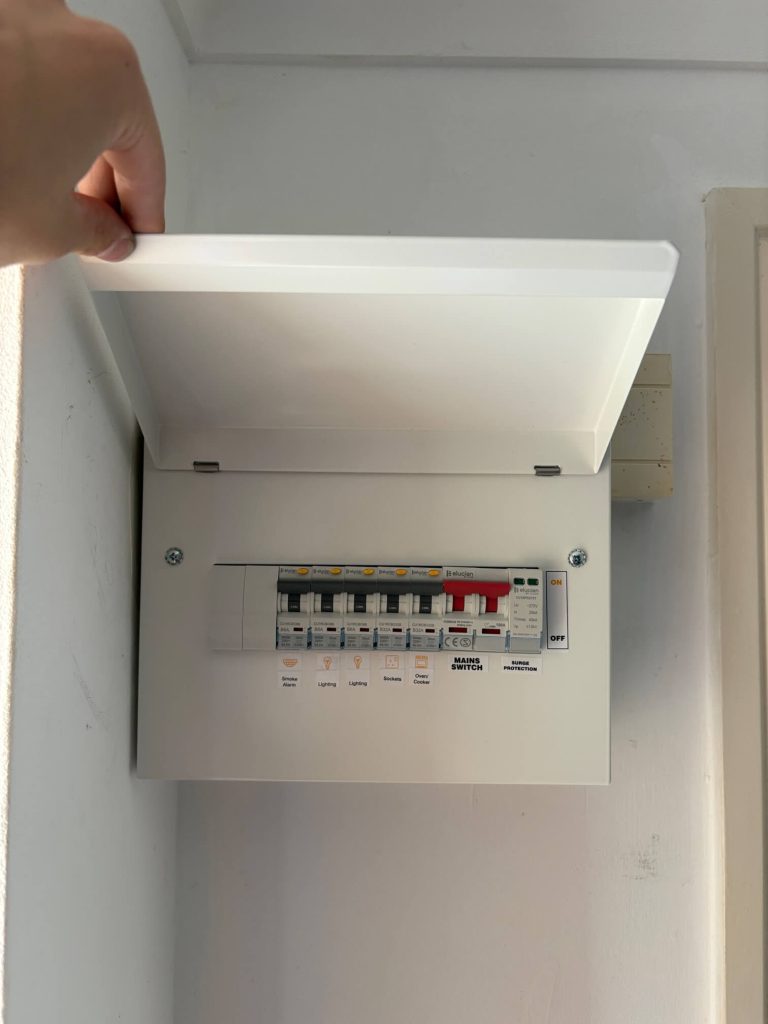
Attleborough Consumer Unit Upgrade
A consumer unit replacement and EICR remedial works in Attleborough addressed sockets, lighting fittings and the shed supply. The completed work achieved a satisfactory EICR outcome.
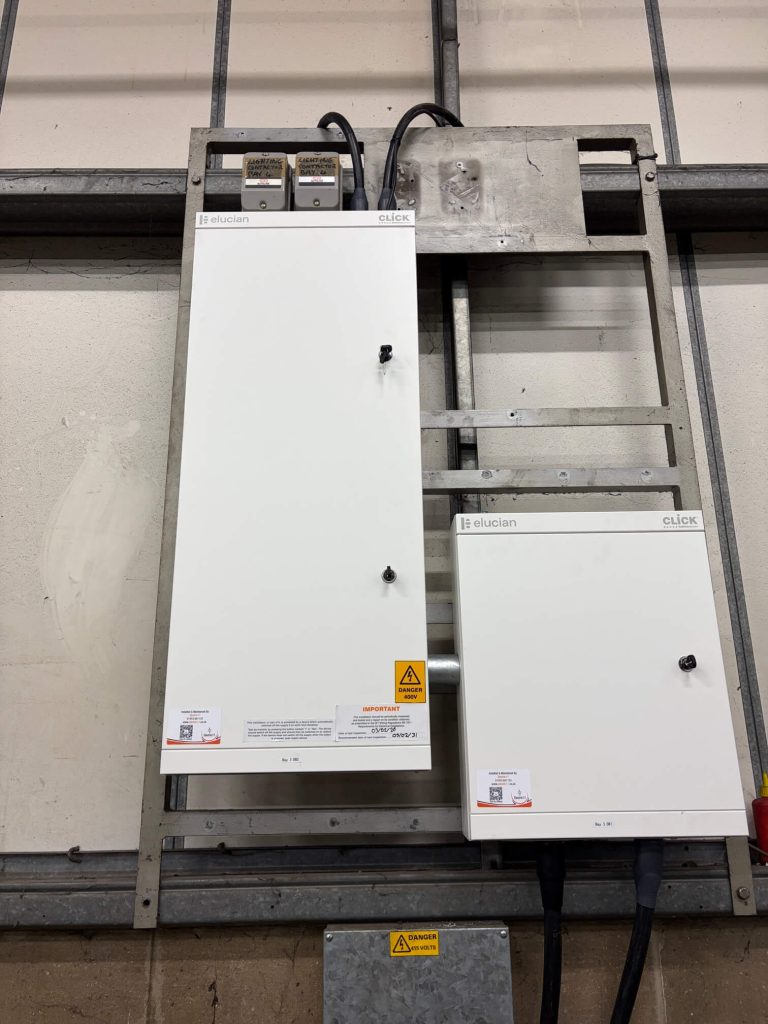
EICR Remedial Works in Norfolk: Replacing Outdated Consumer Units
Electric11 replaced outdated consumer units at a Norfolk site as part of EICR remedial works. The project addressed C1 and C2 issues, with further circuit and switchgear work planned and a satisfactory EICR intended on completion.
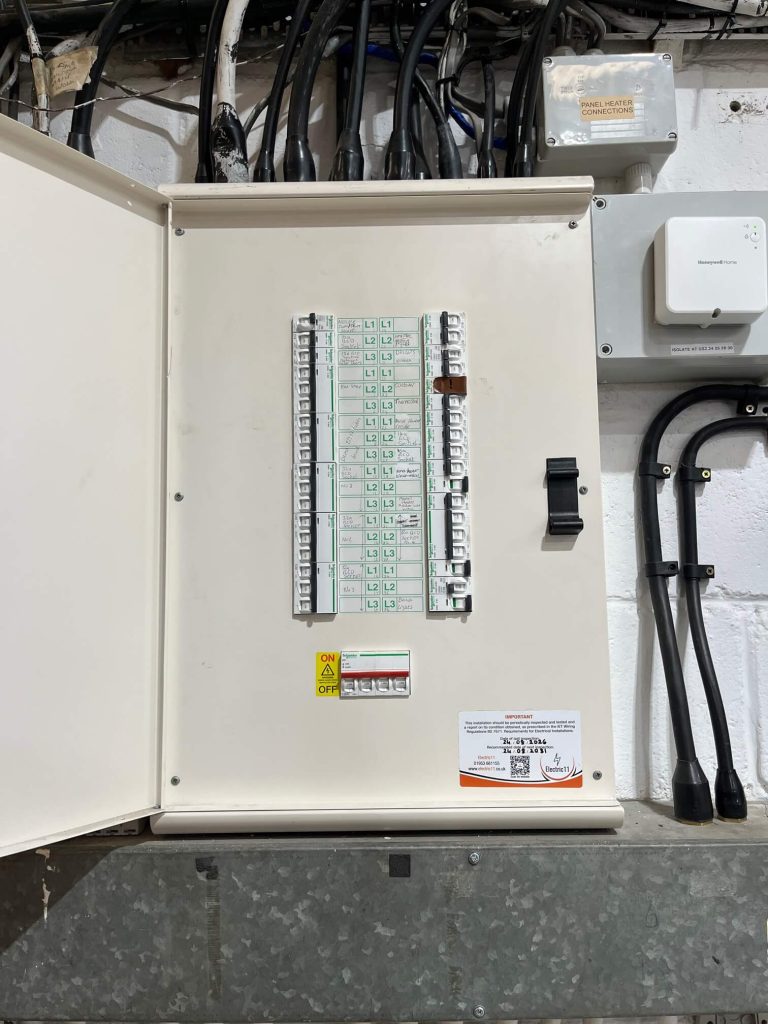
EICR Remedial Works on Station Road: A Satisfactory Outcome
Electric11 carried out EICR remedial works at a Station Road property following an unsatisfactory inspection. The project focused on the identified electrical safety observations, with the supplied job summary recording a satisfactory EICR outcome.
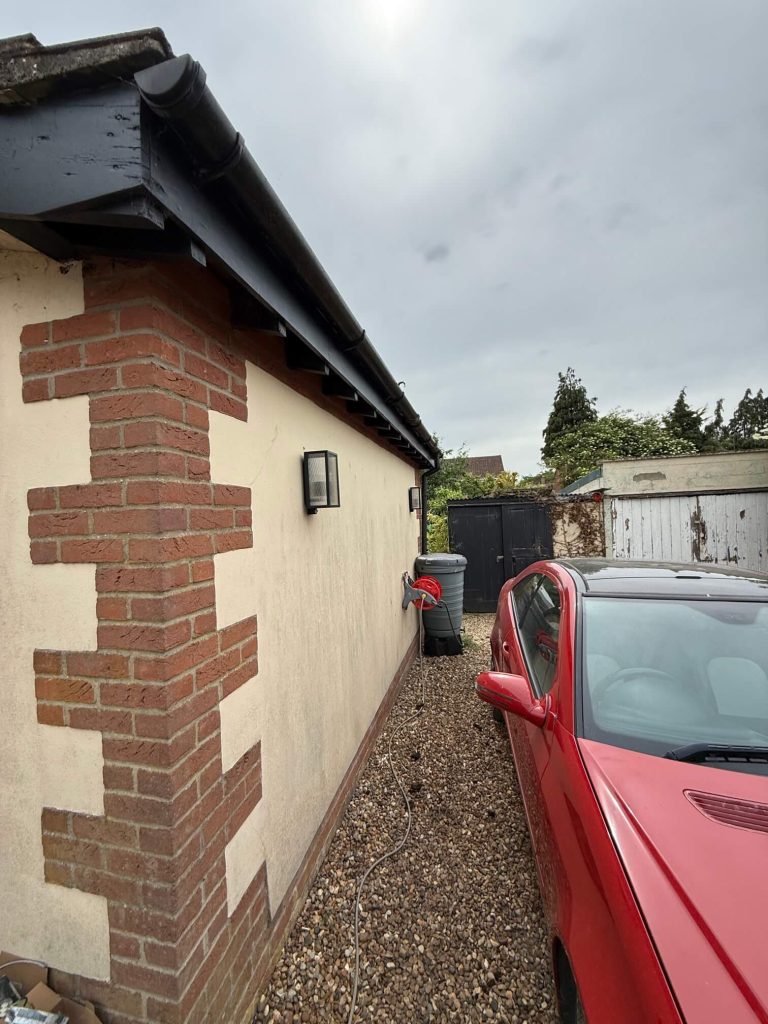
Home Rewire on New North Road with an RCBO Consumer Unit
Electric11 completed a residential rewire on New North Road, installing an RCBO consumer unit with surge protection and spare ways, alongside sockets, switches, lighting and Ethernet ports. The project renewed all circuits, with an Electrical Certificate issued in line with BS 7671.
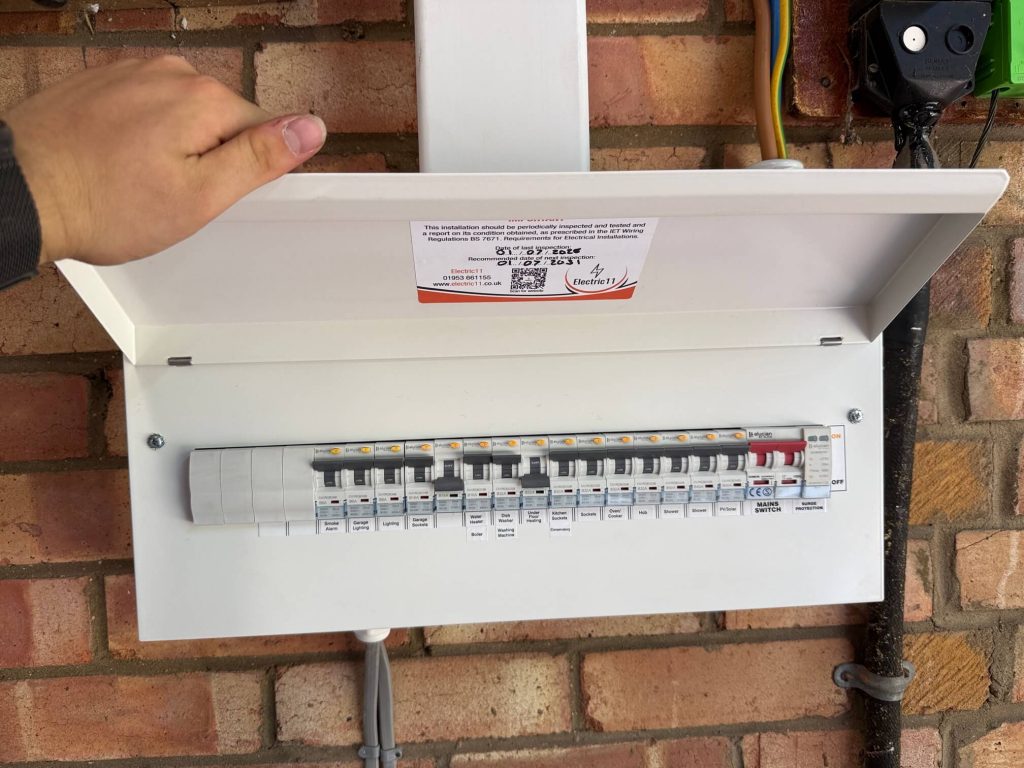
Home Rewire in Thetford with a Replacement Consumer Unit
Electric11 completed a residential rewire in Thetford, renewing all circuits, installing new circuits as required and replacing the consumer unit. This case study outlines the confirmed electrical scope, explains the exclusion of making-good works and sets out practical considerations for homeowners planning a similar installation.
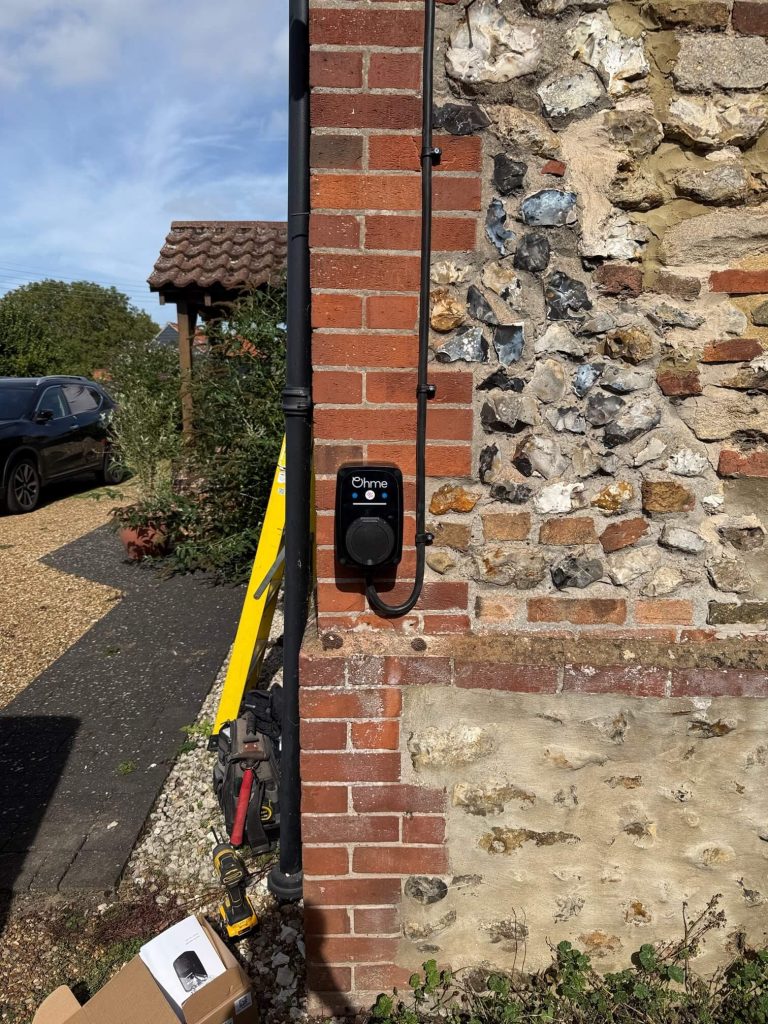
EV Charger Installation in Feltwell: An Ohme ePod Project
Electric11 completed an EV charger installation in Feltwell, near Thetford, to provide a dedicated vehicle charging point. Photographs show an Ohme ePod mounted on the property’s brickwork with an external cable route. The project records document electrical testing; annual charging costs and savings have not been established.
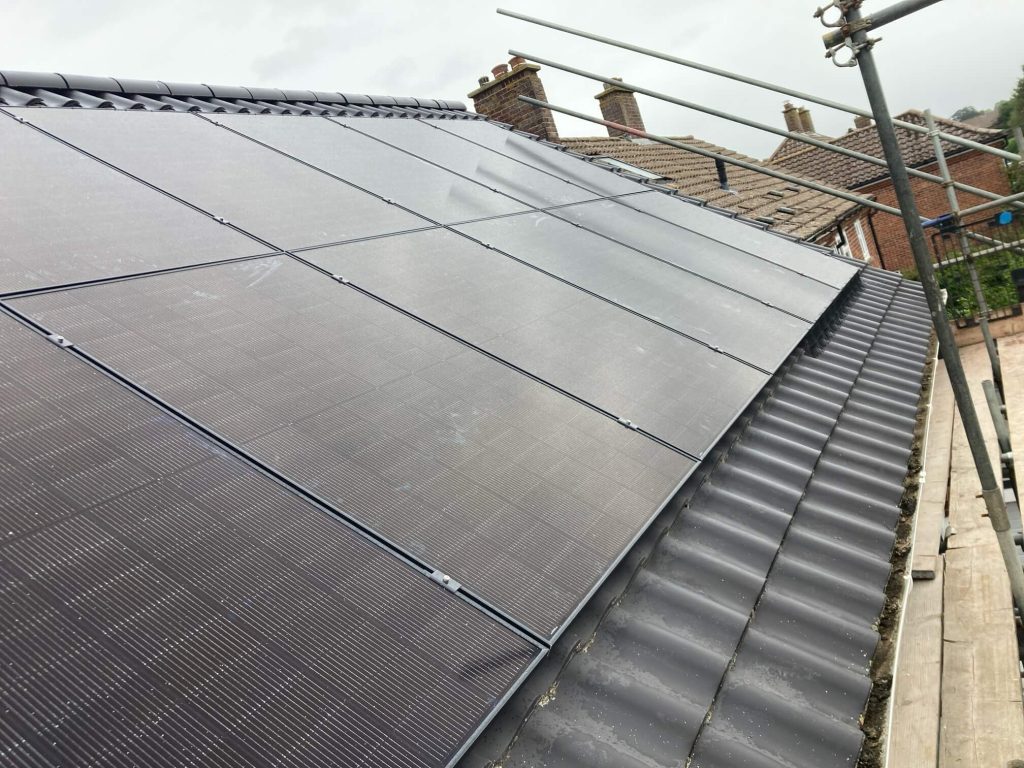
12-Panel Solar and Battery Installation in Attleborough
Electric11 completed a solar and battery installation in Attleborough to support a residential property’s energy-efficiency objectives. The project combined 12 solar panels, a Fox ESS hybrid inverter and an EP12 battery recorded at 11.52 kWh. Initial verification confirmed correct inverter functionality and a successful loss-of-mains test.
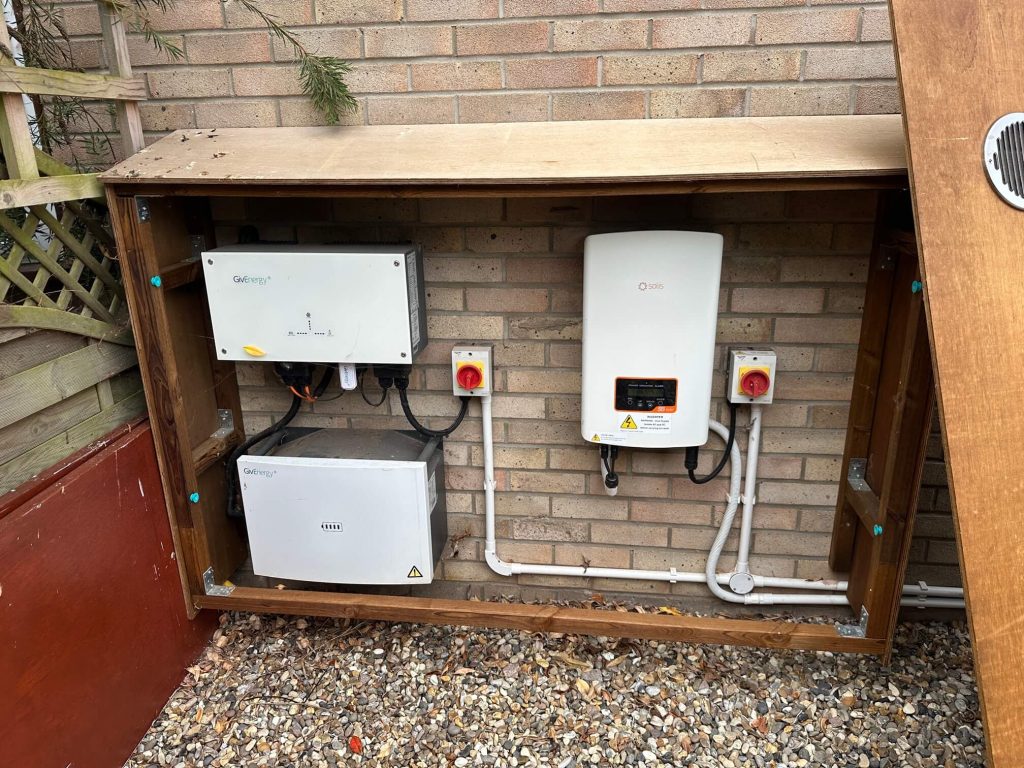
Solar and Battery Upgrade in Poringland with EV Charging
Electric11 replaced an existing inverter and battery system and installed an EV charger at a property in Poringland, near Norwich. The project included associated cabling, electrical protection, satisfactory AC testing and PV commissioning, bringing equipment replacement and vehicle charging provision into one coordinated job.

Garage Electrics Installation for a Workshop in Norwich
Electric11 carried out garage electrical works in Norwich, installing a distribution board, workshop sockets, fused spurs, LED battens and an IP-rated double socket. See the scope and project photos.

Downlight and Socket Replacement at an Attleborough Home
Electric11 replaced exterior and kitchen downlights, double sockets and a dimmer at a home in Attleborough, Norfolk, and fitted additional customer-supplied lights. See the scope, finishes and project photos.
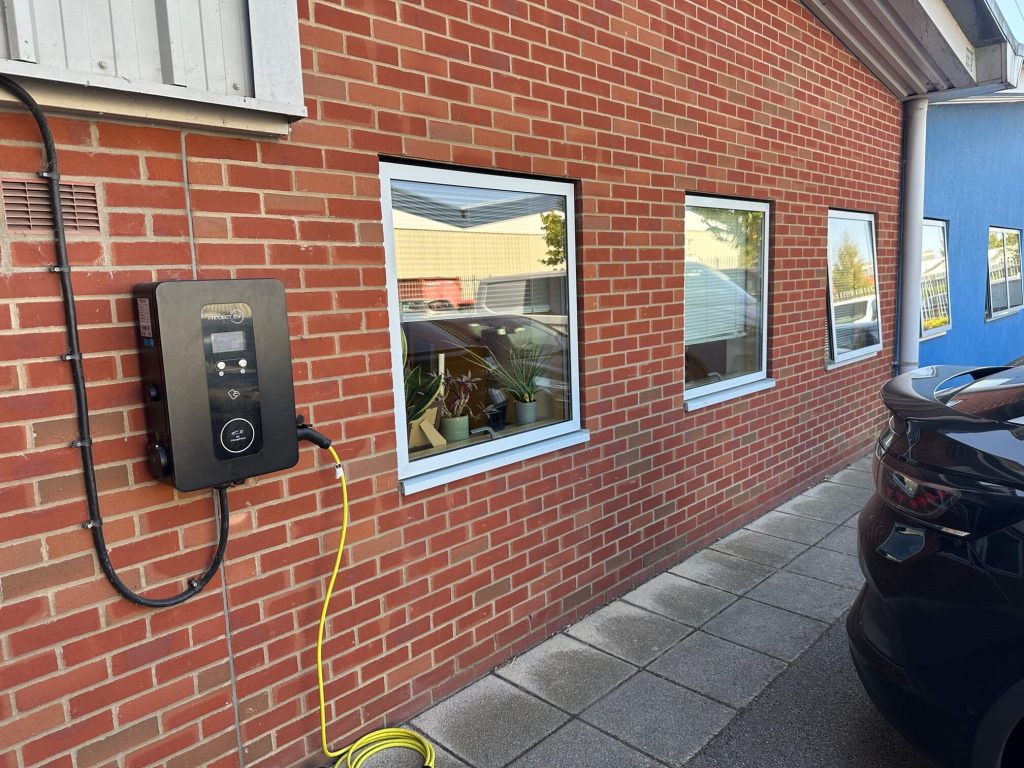
Workplace EV Charger Replacement in Wymondham
Electric11 replaced an EV charging unit at business premises near Copper Smith Way in Wymondham, Norfolk. See the workplace charging project.
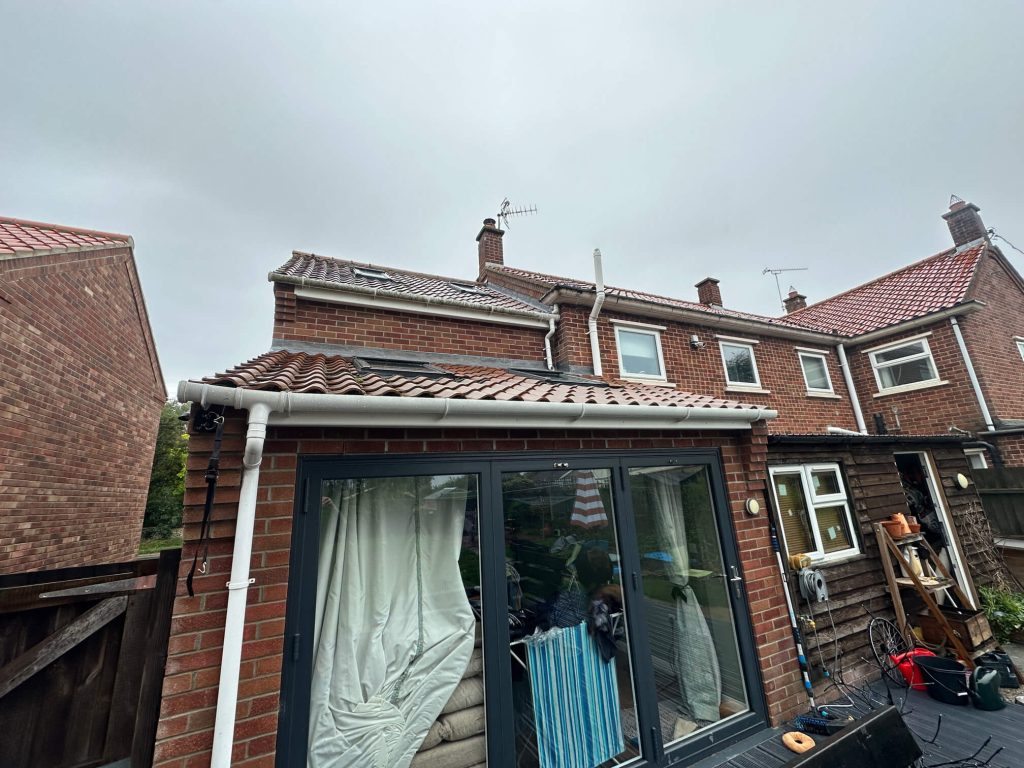
EV Charger Installation in North Lopham, near Diss
A North Lopham EV charger installation near Diss, with a supply review and a cable route planned around the home's existing electrical layout.
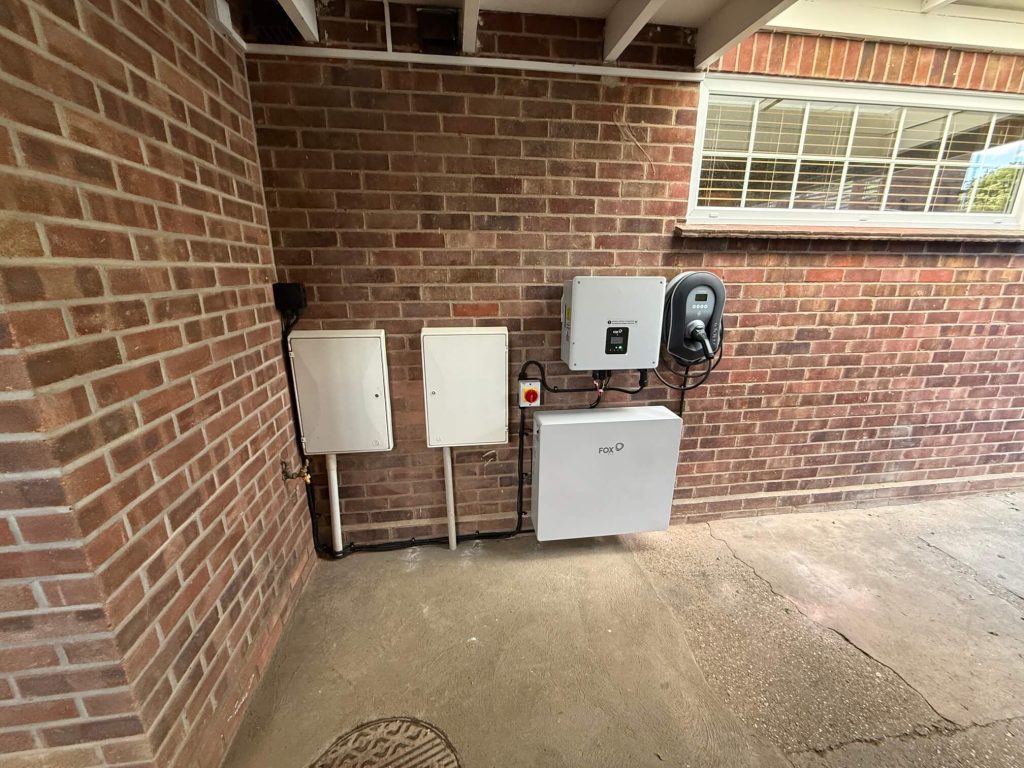
Battery Storage and Zappi EV Charger Installation in Loddon
Electric11 upgraded a home near Loddon with a Fox ESS battery and inverter, a Zappi EV charger and a new double-stacked consumer unit, creating a safer and more flexible electrical system.
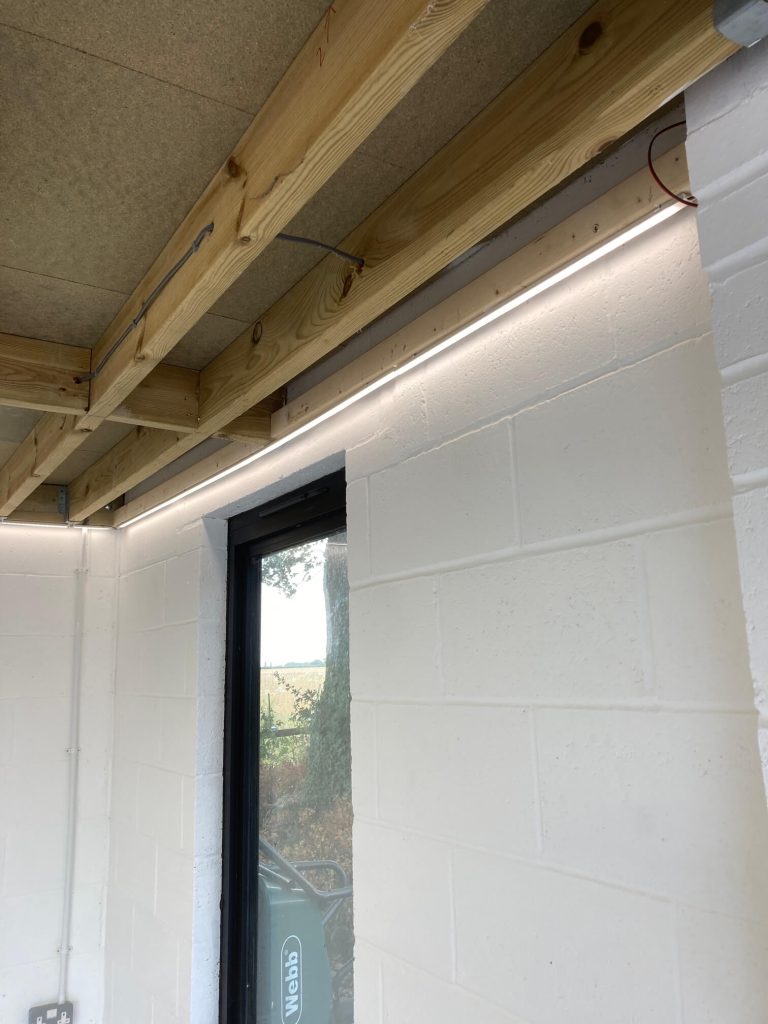
Garage Socket and LED Lighting Installation in Bressingham
Electric11 upgraded a garage in Bressingham with galvanised double sockets, USB-A/C charging points, surface-mounted conduit and 12 metres of LED lighting. The project also included socket and lighting alterations in the house, followed by inspection, testing and certification.
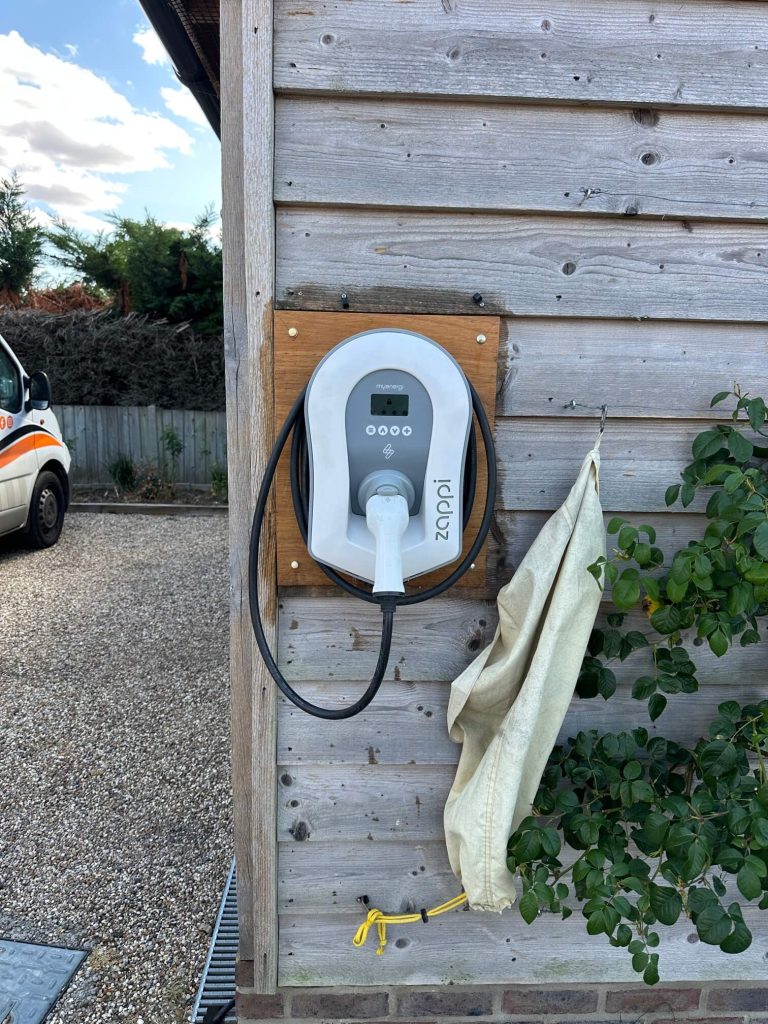
Zappi EV Charger Relocation Norwich
Electric11 relocated an existing Myenergi Zappi charger by approximately 20 metres at a Norwich home, extending and testing its protected 32 A circuit before issuing a Minor Works Certificate.
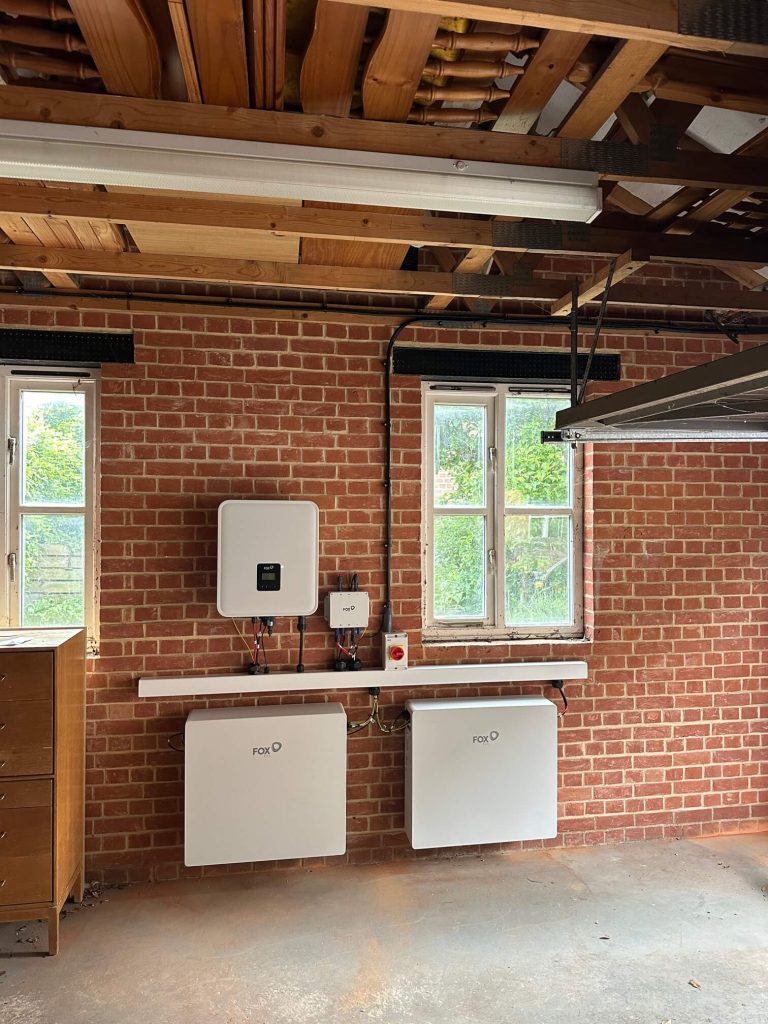
Fox ESS Home Battery Storage Installation in Norwich
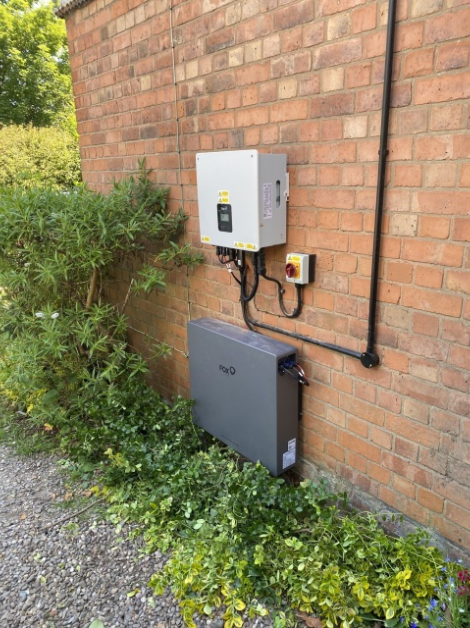
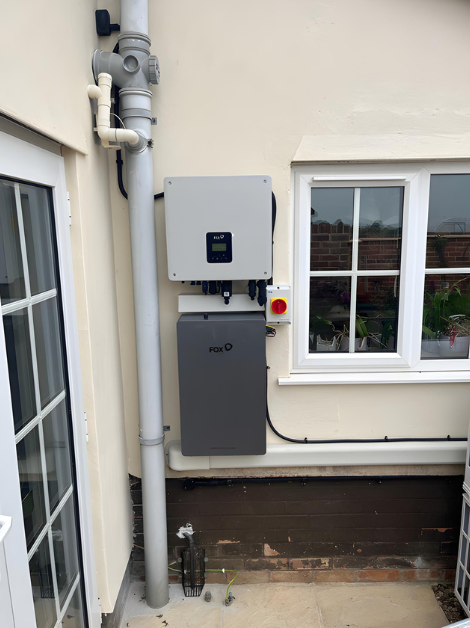
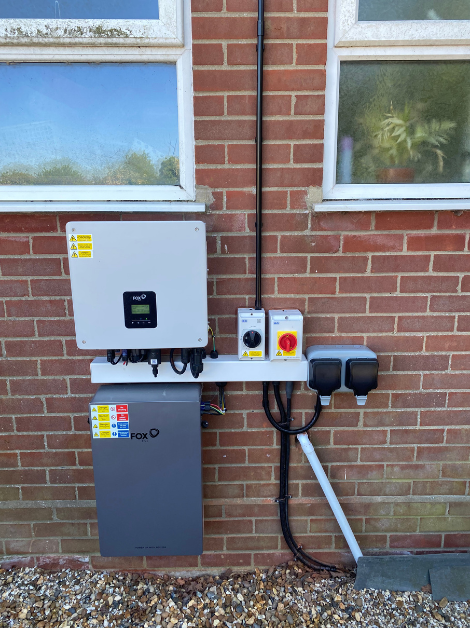
Electric11 installed two Fox ESS EP12 batteries and a 10.5 kW inverter at a Norwich home, providing 23.04 kWh of nominal storage with protected electrical integration.
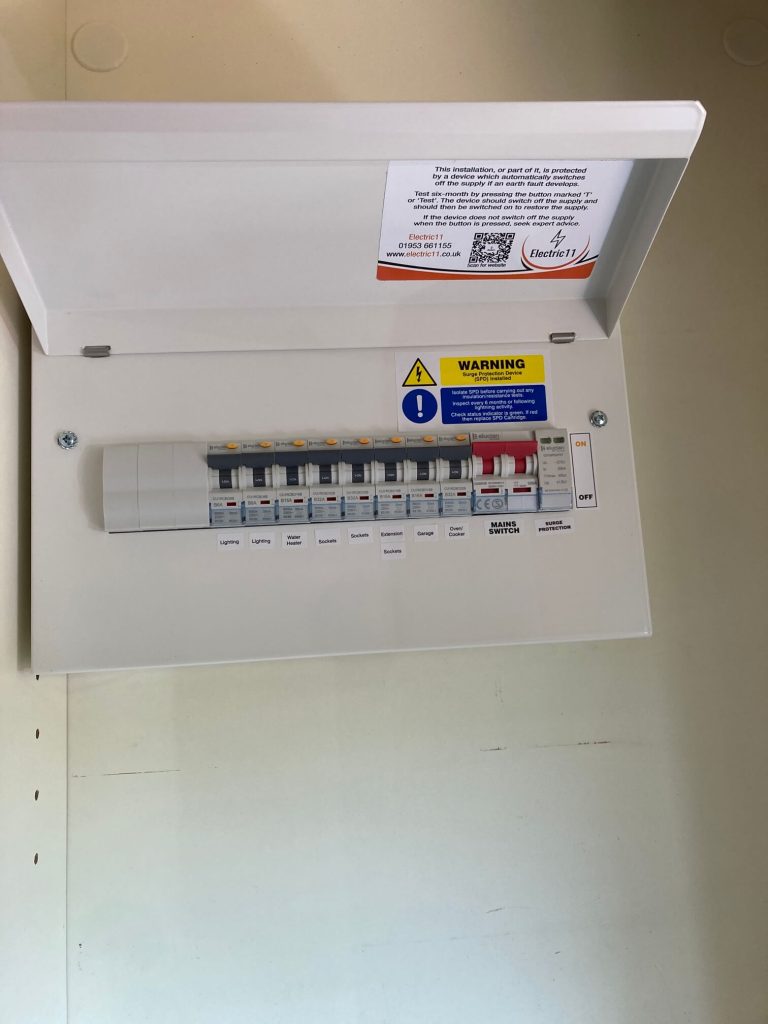
RCBO Consumer Unit Replacement in Wicklewood
Electric11 upgraded an existing consumer unit at a Wicklewood home with an 18th Edition RCBO consumer unit and surge protection device, then tested the installation in line with BS 7671.
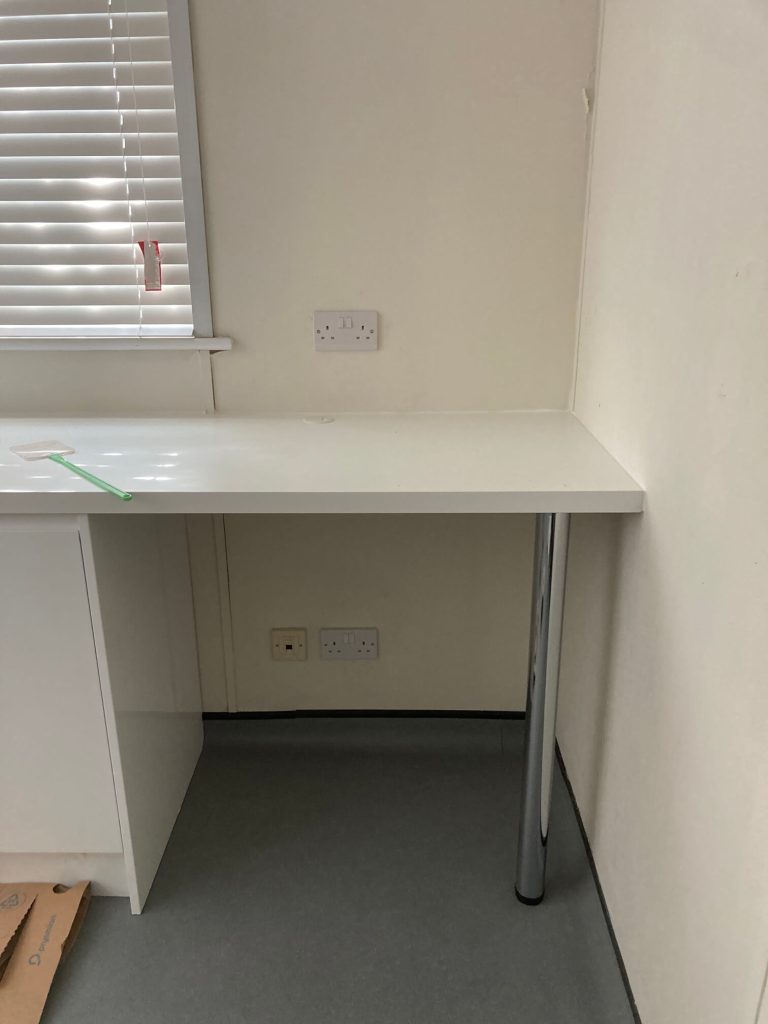
Laboratory Socket Installation in Attleborough
Electric11 installed and tested additional double sockets at a veterinary laboratory in Attleborough, giving workstations and equipment more practical access to power.
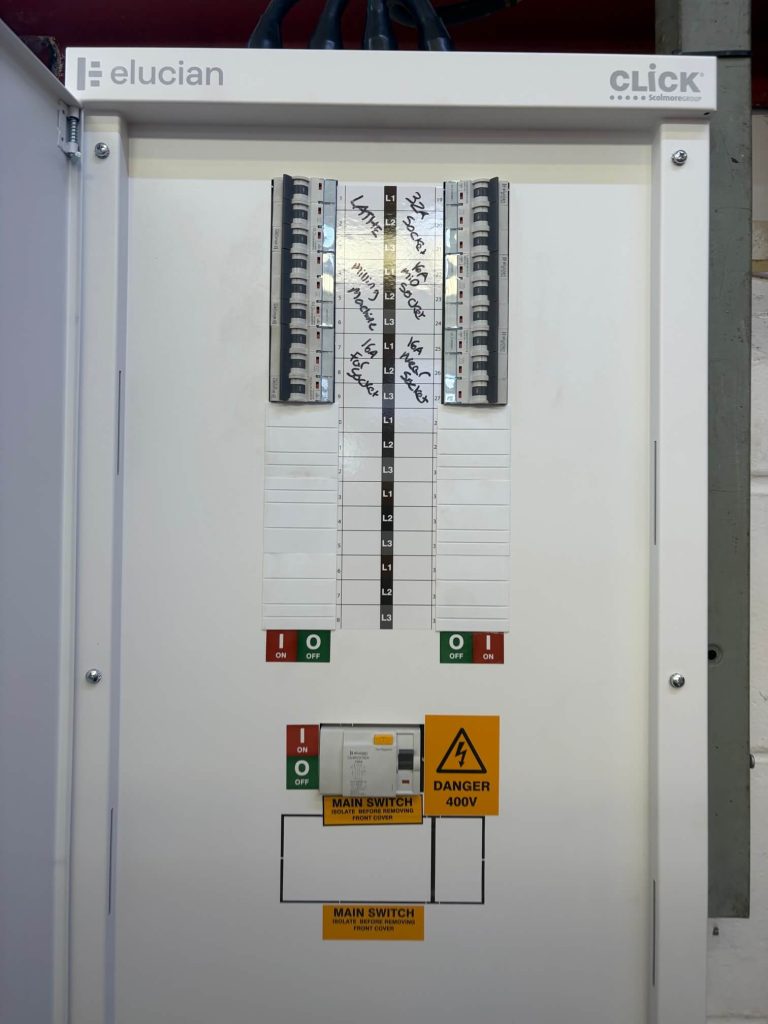
12-Way Three-Phase Distribution Board Replacement in Attleborough
Electric11 replaced the main-floor DB2 at an Attleborough workshop with a modern 12-way three-phase distribution board, reconnecting and clearly labelling machinery and socket circuits before testing and certification.
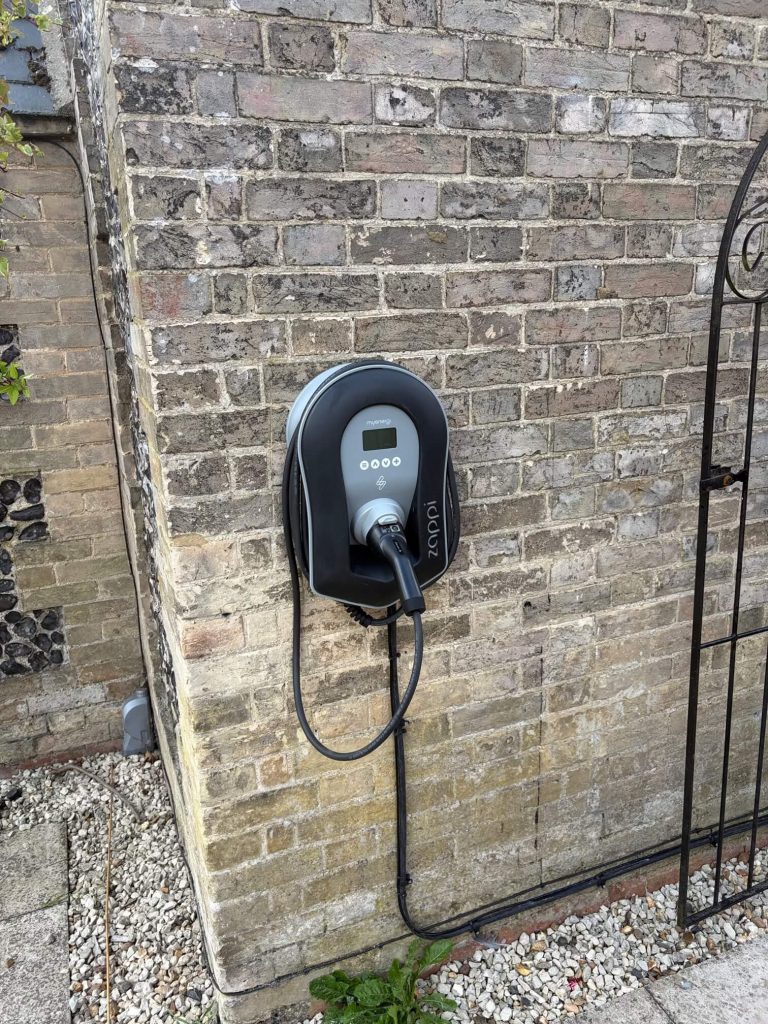
Zappi EV Charger Installation in Watton, near Thetford
Electric11 installed a tethered black Zappi EV charger with a dedicated cable run and protective upgrades at a home in the Watton and Thetford area.
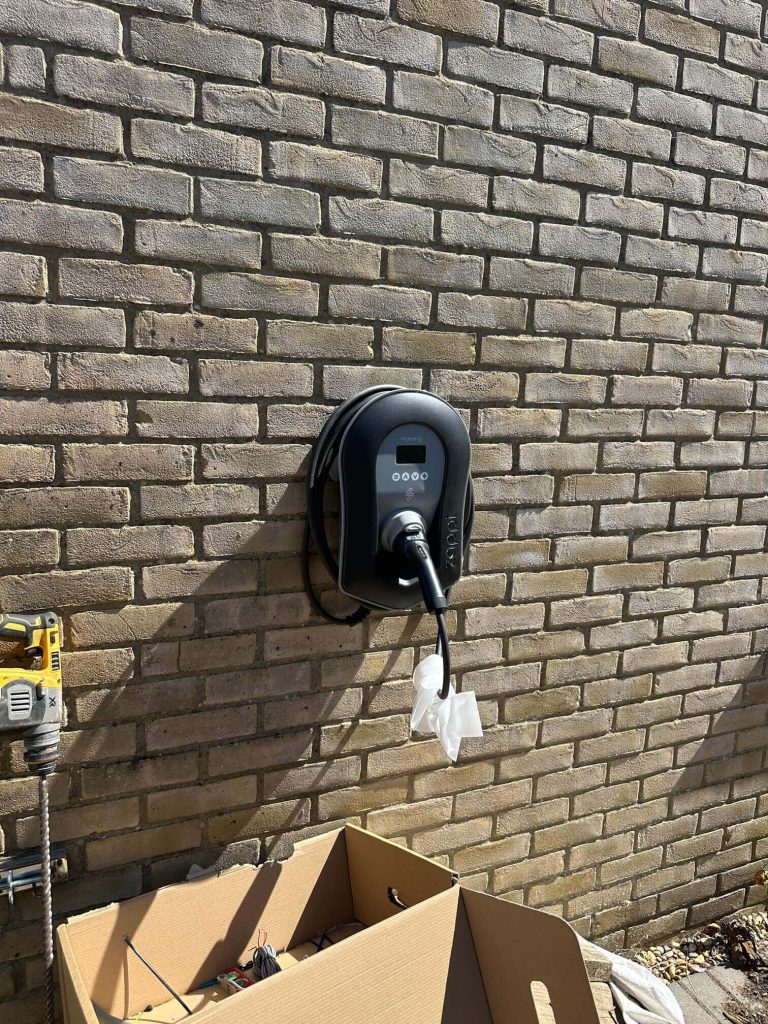
7 kW Zappi EV Charger Installation in Wymondham
Electric11 installed and configured a customer-supplied 7 kW tethered Zappi EV charger in Wymondham, including a 15-metre cable run, surplus-solar monitoring, surge protection and a Type A RCBO.
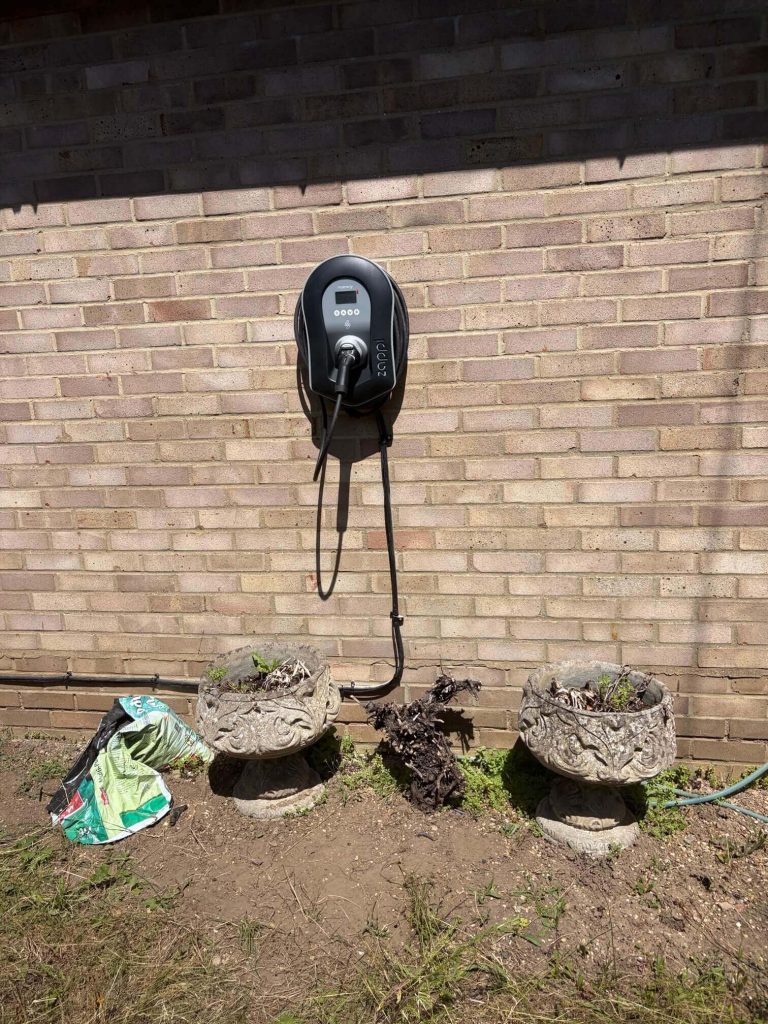
Zappi EV Charger Installation and Solar PV Servicing near Norwich
Electric11 installed a tethered Zappi EV charger and serviced an existing 8 kW solar PV and battery system in Cantley near Norwich, completing detailed system checks and a satisfactory EICR.
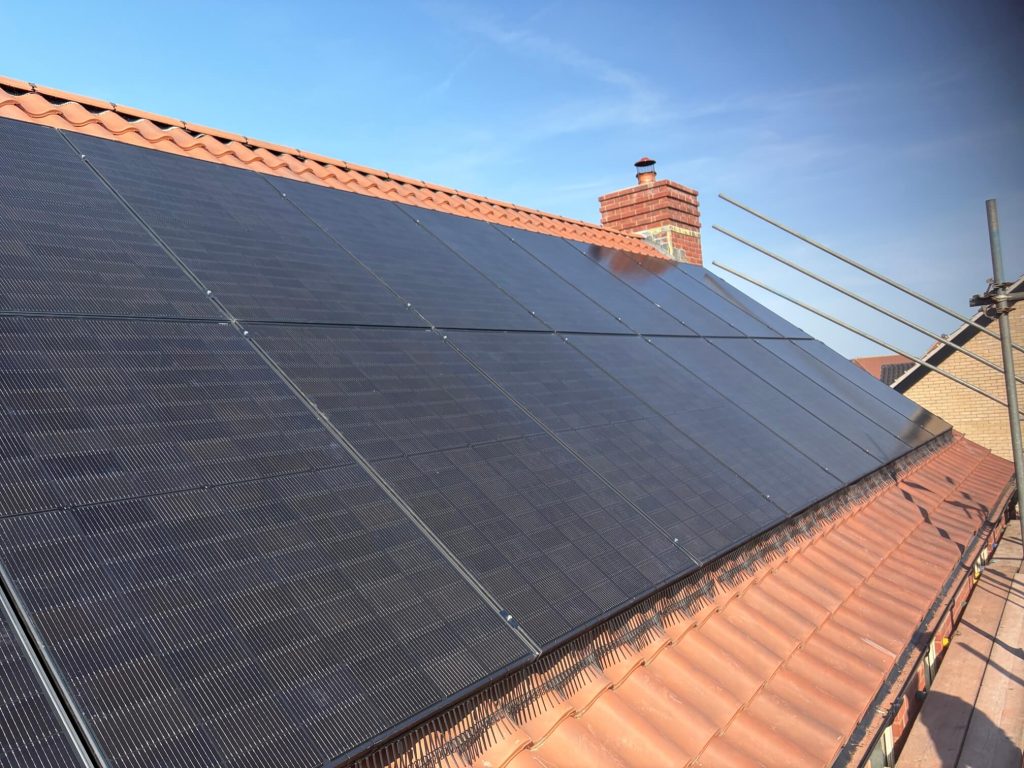
Solar PV and Hybrid Inverter Installation in Great Ellingham
Electric11 installed a high-output solar PV system with a Fox ESS hybrid inverter at a Great Ellingham home, providing clean on-site generation and a platform for smarter energy use.
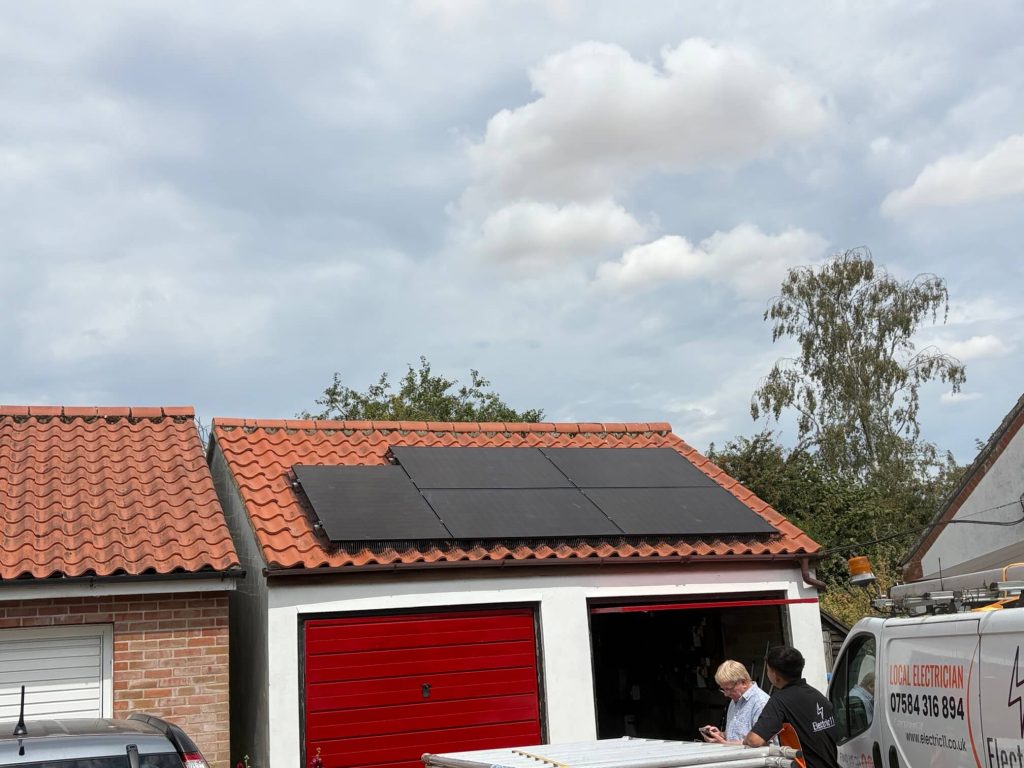
Garage-Roof Solar and Fox ESS Battery Installation near Diss
Electric11 installed a garage-roof solar PV system near Diss, pairing a 3.6 kW hybrid inverter with 11.52 kWh of Fox ESS battery storage. The project also included meter and garage-board integration, dedicated protection and a carefully planned roof layout.
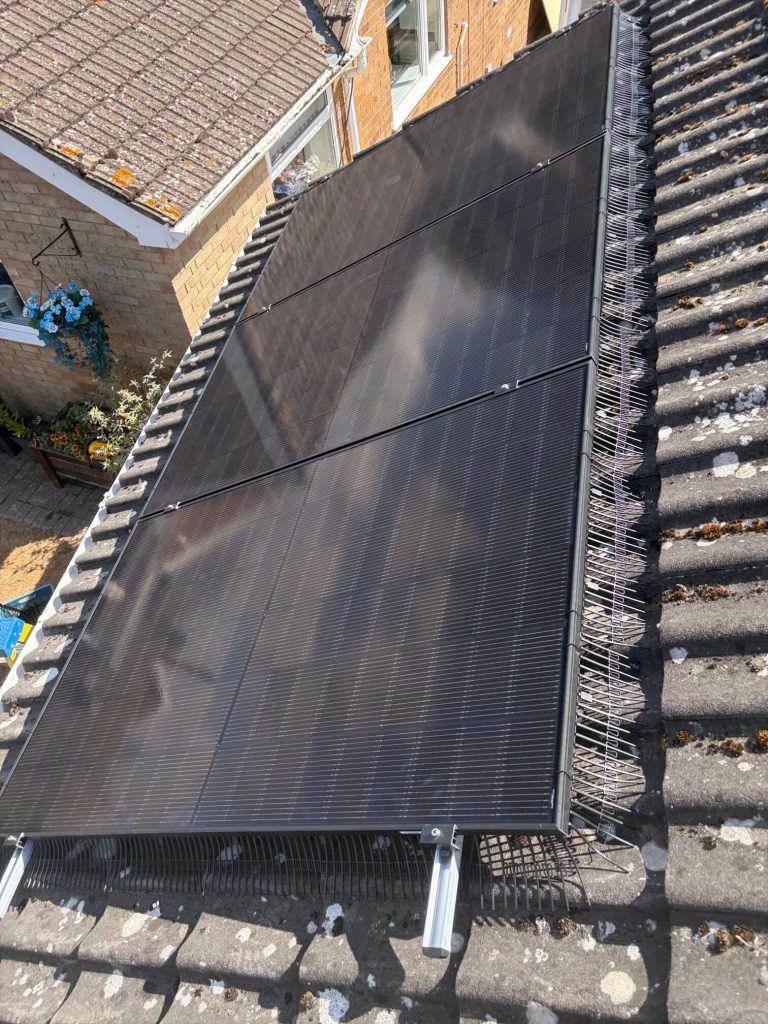
2.76 kW Solar Panel Installation in Attleborough
Electric11 installed six 460 W solar panels, a Fox inverter, new garage distribution and cabling at an Attleborough home.

Solar PV Inspection and EICR Review in Long Stratton
Electric11 assessed an existing solar PV system and associated electrical records in Long Stratton, highlighting documentation conflicts and items requiring follow-up.

Pump Supply Investigation and Trenching in East Runton
Electric11 completed trenching for a pump electrical supply at Pip’s Bothy in Lower Common, East Runton. The project records and follow-up photographs also document the existing pump, cable route and intake equipment so that the next electrical work could be scoped safely.

16-Panel Solar, Battery Storage and EV Charger Installation in Wymondham
Electric11 installed a 16-panel solar PV system, 11.52 kWh Fox ESS battery and Zappi EV charger at a Wymondham bungalow, creating one integrated home-energy system.

Fox ESS Solar Battery Storage Installation in California, near Great Yarmouth
Electric11 added a 7 kW Fox ESS hybrid inverter and 11.52 kWh heated battery to an existing solar-powered home in California, near Great Yarmouth. The retrofit also included cable alterations, protection, commissioning and BS 7671 certification.

Commercial PAT Testing in Wicklewood, Near Wymondham
Electric11 completed PAT testing for a Wicklewood ice cream business, checking mobile catering equipment, freezers, leads and everyday appliances. Several clear pass readings were recorded, while a failed result showed the value of testing equipment before continued commercial use.

Myenergi zappi EV Charger Installation in Norton
Electric11 installed a 7 kW Myenergi zappi home charger in Norton, adding new consumer units and a protected underground supply to a detached garage.

Electric11 FOX ESS Battery Storage Norwich
Electric11 installed a 23.04 kWh FOX ESS home battery storage system at a Norwich property, combining two EP12 Plus batteries with a hybrid inverter, protected consumer-unit connections and cabling to the main house.

Commercial Electrical Installation for Wymondham Banking Hub
Electric11 completed key electrical installation work for the new Wymondham Banking Hub, installing a communications rack and terminating a commando socket to provide power to the rack busbar. The work was coordinated within an active commercial fit-out at 45 Market Street.

Fox ESS Battery Storage Installation in Barnt Green
Electric11 retrofitted Fox ESS battery storage to an existing solar installation at a Barnt Green home, improving how surplus generation could be used.

Fox ESS Solar and Battery Installation in Long Stratton
Electric11 upgraded a Long Stratton home with a 4.45 kW solar array, Fox ESS hybrid inverter and 5.18 kWh battery storage system.

FastAmps EV Charger Installation in Attleborough
Electric11 installed a FastAmps EV charger at an Attleborough vehicle workshop, completing the dedicated charging circuit alongside an EICR and PAT testing across 60 portable items.

EICR Remedial Works in Norwich
Electric11 completed targeted EICR remedial works at a Norwich property, addressing C1 and C2 safety observations and preparing the fixed electrical installation for follow-up testing and certification.

Solar Generation Meter Replacement in Norwich
Electric11 replaced an older analogue solar generation meter at a Norwich property with an Emlite ECA2 100A single-phase kWh meter, providing clear digital recording for the existing solar PV system.

Sauna Light Replacement in Attleborough
Electric11 replaced a damaged sauna light and associated wiring at a leisure property in Attleborough, restoring safe and reliable illumination.

Garden Music Room Electrical Installation in Norwich
Electric11 completed a garden room electrical installation in Norwich, adding a protected supply, local consumer unit, lighting and practical socket provision for a new music space.

Wall Light Fault Finding and Testing in Attleborough
Electric11 checked and tested a wall light lamp holder at an Attleborough home after bulbs failed to operate correctly, confirming safe circuit conditions and compliance with BS 7671.

SolaX EV Charger Installation at Cherry Tree
Electric11 installed a customer-supplied 7 kW SolaX home charger at Cherry Tree, supported by a dedicated cable run, surge protection, a Type A RCBO and replacement protective devices.

Outdoor Lighting and Socket Installation in Attleborough
Electric11 upgraded the outside of an Attleborough home with six wall lights, three weather-resistant double sockets, three replacement switches, a fused spur and carefully routed exterior cabling.

EICR Remedial Works in Suffolk
Electric11 replaced an earth bond at a Suffolk home, completed the associated electrical testing and issued a satisfactory EICR, giving the customer clear confirmation that the recorded remedial work had been completed.

Commercial Workshop Electrical Installation for a Motorsport Facility
Electric11 upgraded a commercial motorsport workshop with a dedicated car-lift supply, rotary isolation, 18 LED fittings and two PIR-controlled floodlights.

EICR Remedial Works in Attleborough
Electric11 completed targeted EICR remedial works at an Attleborough property, addressing C1 and C2 observations identified during an electrical safety inspection.

Greenhouse Power Installation in Attleborough
Electric11 installed a certified greenhouse power supply in Attleborough using buried 2.5mm² SWA cable, protective conduit and a weather-resistant double socket.

Home Lighting Repair and Bulb Replacement in Kenninghall
Electric11 restored lighting throughout a Kenninghall home by replacing failed bulbs across multiple rooms and confirming that the affected light fittings were working again.

Mira Electric Shower Installation in Norwich
Electric11 replaced an existing shower in Norwich with a Mira Advance 8.7kW thermostatic electric shower, tested the dedicated circuit and issued a Minor Electrical Installation Works certificate.

Conservatory Lighting and Socket Installation in Wymondham
Electric11 upgraded a conservatory in Wymondham with six downlights, a replacement LED strip, relocated sockets, new double sockets and surface trunking for a brighter, more practical space.

Evec EV charger installation in Attleborough
Electric11 installed an Evec EV charger at an Attleborough home, including dedicated cabling, trenching, post mounting, surge protection, a Type A RCBO and full electrical testing.

Solar Panel and FOX Battery Installation in Attleborough
Electric11 installed a 13.8 kWp solar array, 7 kW FOX hybrid inverter, approximately 23 kWh of battery storage and a failover system at a home near Carvers Lane, Attleborough. The system helps the property generate, store and manage more of its own electricity.

Pylontech Battery Storage Upgrade in Wymondham
Electric11 added three Pylontech US5000C batteries to an existing three-phase Victron system in Wymondham. The 14.4 kWh upgrade increased total battery storage to 56.4 kWh—a 34.3% capacity increase.

Solar Panel for Home and Battery Storage Installation, Attleborough, Norfolk
In Attleborough, Norfolk, Electric11 completed a 3.9 kW solar installation for a bungalow property, featuring 12 × 325 W full-black panels, a Solis 3.6 kW hybrid inverter, and a Puredrive 5 kWh battery. The system is designed to generate around 3,400 kWh per year, delivering annual savings of £918, reducing CO₂ emissions by 851 kg, and cutting grid reliance by 70%.

Shed Solar Power Installation, Attleborough, Norfolk
Electric11 installed a 1.82 kW shed solar power system in Attleborough, Norfolk, featuring 4 × 455 W full-black panels and a Fox Hybrid 1.0 kW inverter. This compact setup is expected to generate 1,300 kWh of clean energy per year, delivering annual savings of £351 and cutting 299 kg of CO₂ emissions — a smart, efficient solar solution without battery storage.

Solar Farm and Battery Storage Installation, Breckland, Norfolk
In Breckland, Norfolk, Electric11 delivered a 6.2 kW solar farm installation featuring 14 × 445 W full-black panels, a Fox Hybrid 5 kW inverter, and a Fox ESS 5.18 kWh battery. The system is expected to generate around 5,706 kWh of renewable energy per year, providing annual savings of £601.23, reducing CO₂ emissions by 1,181 kg, and achieving a 67% decrease in grid reliance.

Ground Solar Panel Mounts and Battery Storage Installation, North Pickenham, Norfolk
Taking a clean and practical design approach, our focus was on creating an efficient area dedicated to renewable energy generation. Following a full review of the land, we installed a ground-mounted array featuring 48 × 405 W full-black panels arranged across three separate arrays. We advised that a 19.44 kW total system size would be the most suitable configuration for the property’s energy needs.
Home Solar Array and Battery Storage Installation, Long Stratton, Norfolk
Taking a clean and efficient approach, our focus was to design a system that made the most of renewable energy potential. After evaluating the property, we fitted 10 × 445 W full-black panels arranged across two separate arrays. A total capacity of 4.45 kW was determined to be the most effective solution for the property’s size and energy requirements.

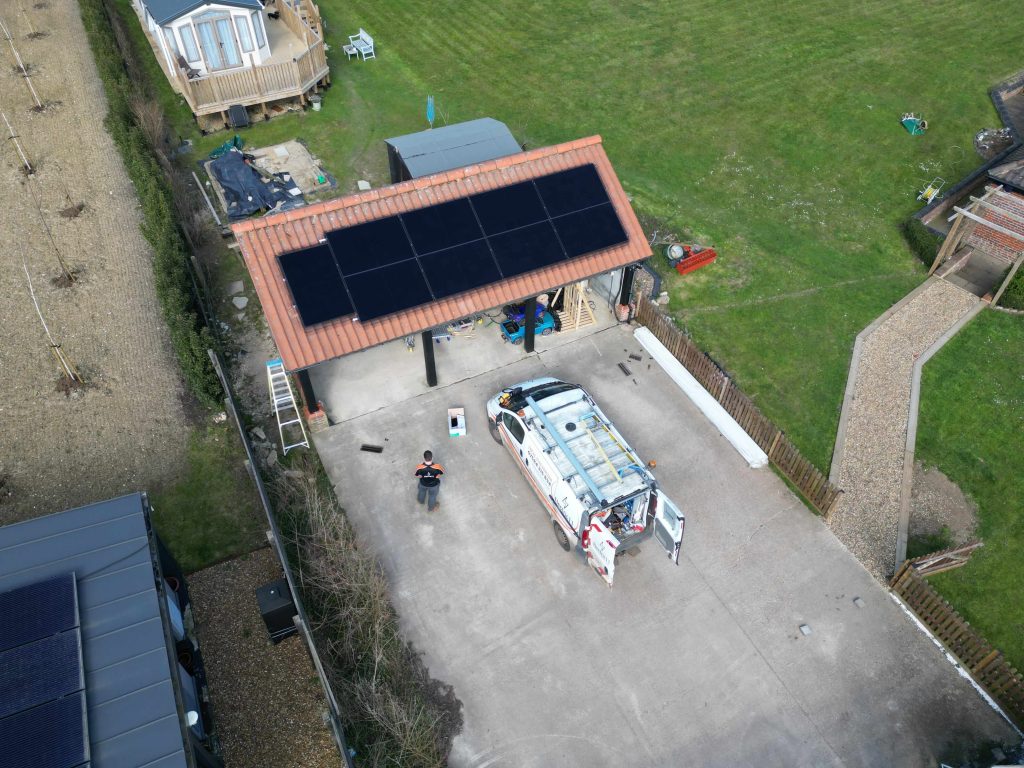
Solar Carport & Battery Storage Installation in Tibenham
Taking a straightforward and modern approach, our aim was to design a practical space focused on generating clean, renewable energy. After evaluating the property, we installed a carport solar array featuring 9 × 445 W full-black panels. We determined that a 4 kW system would deliver the best balance of efficiency and suitability for the property’s energy demands.

