
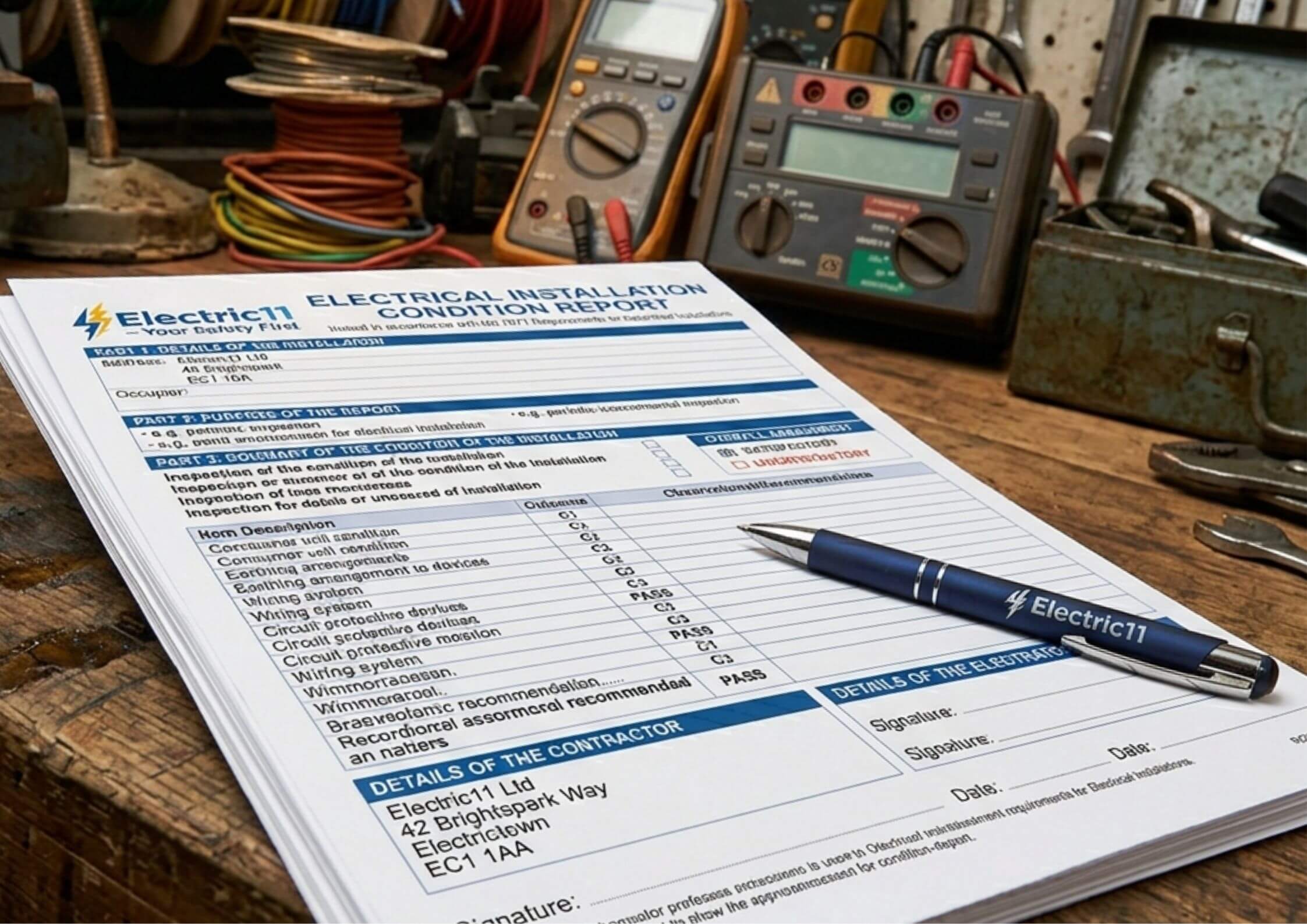



An EICR certificate is one of those documents many people only hear about when a landlord, letting agent, buyer, insurer, or electrician asks for one. It can sound like another piece of property paperwork, but it is really a safety report on the condition of your electrical installation.
The short answer is this: an EICR, or Electrical Installation Condition Report, checks the fixed wiring, consumer unit, circuits, sockets, switches, earthing, bonding, and other parts of a property’s electrical system. It helps identify damage, deterioration, unsafe work, overloaded circuits, missing protection, or anything else that could create a risk of electric shock or fire.
At Electric11, we provide EICR certificates in Norfolk for landlords, homeowners, businesses, and property managers. If you are responsible for a property, an EICR can help you understand the condition of your electrics and what needs attention next.
What Is an EICR Certificate?
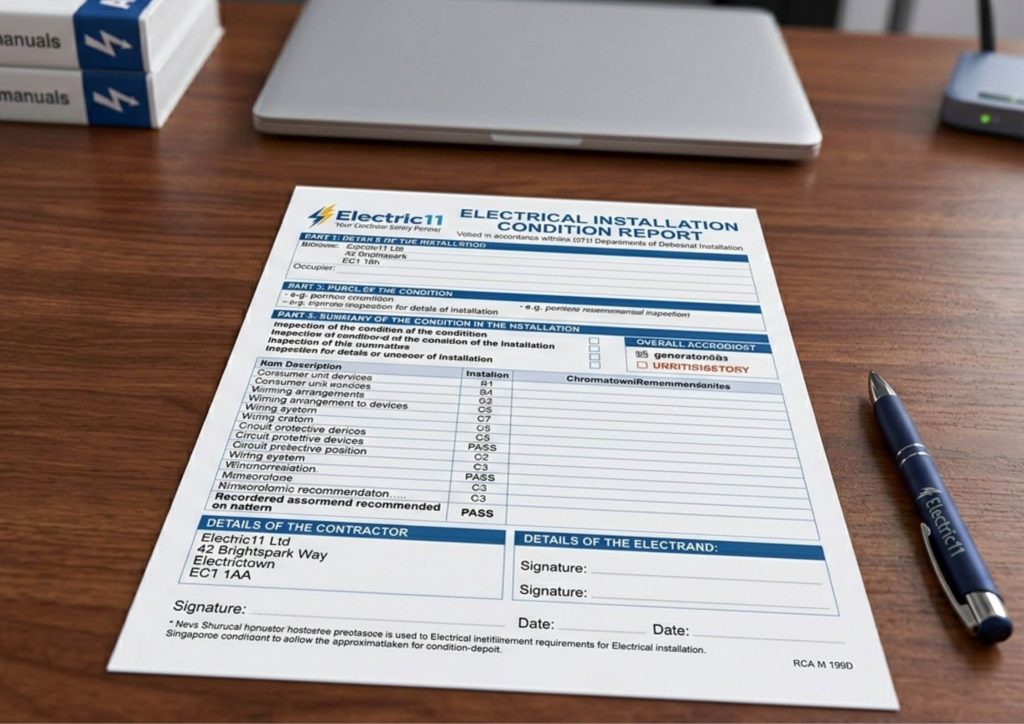
An EICR certificate is the common name for an Electrical Installation Condition Report. Technically, it is a report rather than a certificate, but many people use both terms when searching for electrical safety testing.
During an EICR, a qualified electrician inspects and tests the fixed electrical installation in a property. This includes the wiring hidden behind walls, the consumer unit or fuse board, protective devices, sockets, lighting circuits, earthing arrangements, and other key electrical components.
The purpose is not just to say that the lights turn on. An EICR looks deeper than day-to-day function. A property can appear normal while still having issues such as old wiring, poor connections, lack of RCD protection, damaged accessories, overloaded circuits, or previous DIY electrical work that does not meet current safety expectations.
Electrical Safety First explains that cables are often hidden inside walls and consumer units are often tucked away in cupboards, which means electrical deterioration can easily go unnoticed without proper inspection. You can read their guide to Electrical Installation Condition Reports for more background.
Do I Really Need an EICR Certificate?
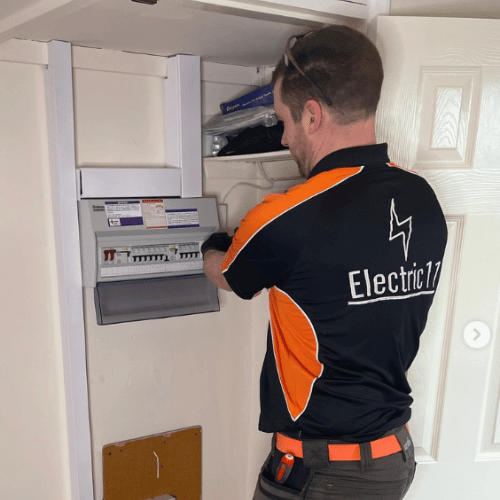
You may need an EICR for legal compliance, safety, insurance, property management, or peace of mind. The answer depends on how the property is used and what has changed since the electrics were last inspected.
Landlords usually have the clearest obligation. In England, landlords must have electrical installations checked at least every five years by a properly qualified person. The official government guidance for electrical safety standards in rented properties explains the duties for landlords, tenants, and local authorities.
Homeowners may not always have a legal requirement, but that does not make an EICR unnecessary. If you are buying a home, selling a home, planning renovations, experiencing repeated electrical issues, or living in an older property, an EICR gives you a clearer picture of what is safe, what is ageing, and what may need attention.
Businesses and commercial property owners may need EICR testing as part of their duty of care, insurance requirements, lease obligations, or wider safety management. Electric11 supports homes and businesses through a full range of electrical services in Norfolk, including testing, inspections, upgrades, fault finding, and remedial work.
Who Should Book an EICR?
You should seriously consider booking an EICR if any of the following apply:
- You are a landlord renting out a property.
- You are a property manager responsible for tenant safety.
- You are buying a home and want to understand the condition of the electrics.
- You are selling a home and want to reduce safety-related questions during the transaction.
- Your property has not had an electrical inspection in the last 10 years.
- Your lights flicker, circuits trip, sockets feel warm, or you notice a burning smell.
- You have an old fuse board or no visible RCD protection.
- You are planning a renovation, extension, EV charger, solar installation, or other electrical upgrade.
- You own or manage commercial premises.
- You have inherited a property and do not know the electrical history.
For landlords, Electric11 also has dedicated guidance on EICR inspections for landlords and EICR guidance for landlords. These pages are useful if you need to understand the difference between booking the inspection, receiving the report, and arranging remedial work.
What Does an EICR Inspection Include?
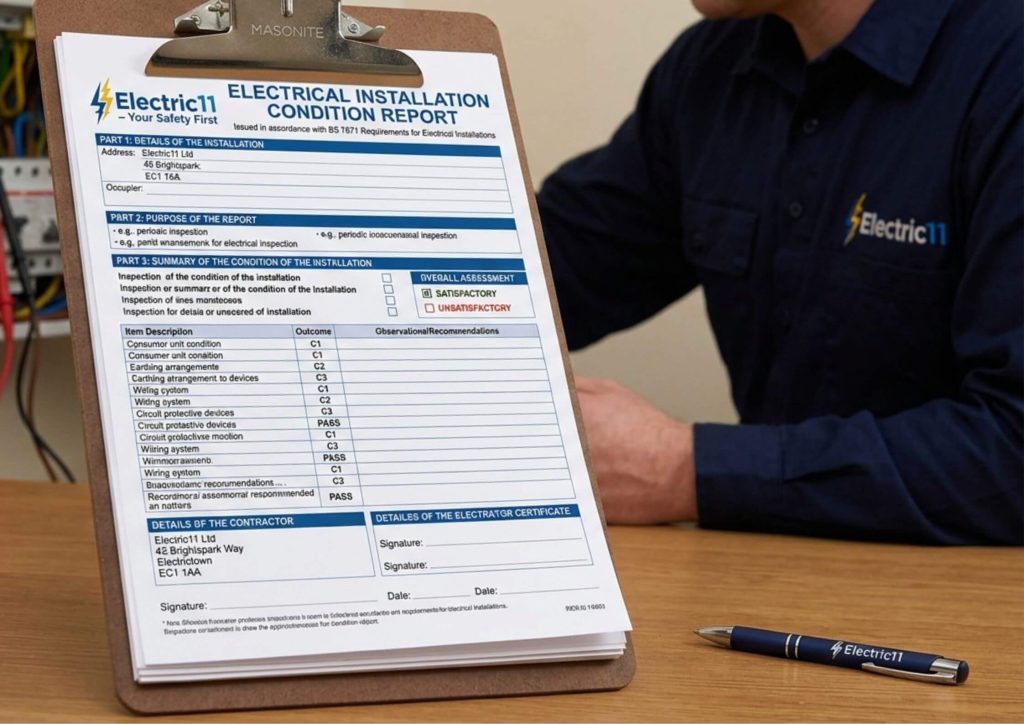
An EICR is a structured inspection and test of the fixed electrical installation. The electrician will look for visible signs of damage, deterioration, poor workmanship, unsafe accessories, outdated equipment, missing labels, insufficient protection, and other issues that could affect safety.
The testing process may include checking circuit continuity, insulation resistance, polarity, earthing, bonding, RCD operation, and the condition of the consumer unit. The electrician will also assess parts of the installation against the current electrical safety standard, BS 7671.
After the inspection, you receive a report that records the condition of the installation at the time of testing. Electric11’s page on The Electrical Installation Condition Report explains how the report gives property owners, landlords, and tenants a detailed assessment of the electrical installation.
A good report should not leave you guessing. It should explain what was inspected, what was tested, what limitations applied, what observations were found, and what action is recommended next.
What Do EICR Codes Mean?
EICR observations are usually given codes that help explain the level of risk.
- C1 means danger is present. Immediate action is needed to make the situation safe.
- C2 means the issue is potentially dangerous. Urgent remedial work is normally required.
- FI means further investigation is needed because the inspector cannot confirm the safety of part of the installation without more checks.
- C3 means improvement is recommended. This does not usually make the report unsatisfactory on its own, but it highlights something worth upgrading.
A report with C1, C2, or FI observations is usually classed as unsatisfactory. That does not mean the property is beyond repair. It means there are issues that need to be addressed before the electrical installation can be considered satisfactory.
This is where a local electrician can help you move from report to solution. Electric11 can support customers with electrical fault finding, repairs, upgrades, replacement consumer units, and larger electrical improvements when needed.
What Problems Can an EICR Find?
An EICR can uncover issues that are easy to miss during normal use. Some common findings include:
- Old or damaged wiring.
- Outdated fuse boards.
- No RCD protection on circuits that should have it.
- Poor earthing or bonding.
- Damaged sockets, switches, or accessories.
- Loose connections.
- Overloaded circuits.
- Unsafe DIY electrical work.
- Signs of overheating.
- Incorrect circuit identification.
- Consumer units with limited modern safety protection.
For many Norfolk homes, the consumer unit is one of the first places an electrician will assess. Older fuse boards can sometimes limit safety, reliability, and future upgrade options. Electric11 provides replacement consumer units in Norfolk for homeowners, landlords, and businesses that need a safer and more modern setup.
In some properties, an EICR may show that small repairs are enough. In others, especially older homes or properties with widespread deterioration, a partial or full home rewire in Norfolk may be the more sensible long-term recommendation.
Is an EICR the Same as PAT Testing?
No. An EICR checks the fixed electrical installation in the property. PAT testing checks portable electrical appliances.
For example, an EICR would assess wiring, circuits, consumer units, sockets, and fixed electrical infrastructure. PAT testing may cover items such as kettles, microwaves, computers, lamps, extension leads, and other plug-in appliances.
Both can matter, especially for landlords and businesses, but they are not interchangeable. If you need appliance testing as well as installation testing, Electric11 also provides PAT testing for customers who need help with electrical safety documentation.
How Much Does an EICR Certificate Cost?
The cost of an EICR depends on the size, type, condition, and complexity of the property. A small flat is quicker to inspect than a larger house, commercial unit, HMO, or property with multiple distribution boards.
Electric11 provides EICR certificates in Norfolk from £125 plus VAT for a one-bedroom flat, with additional rooms from £25 plus VAT per room. For larger or more complex properties, it is best to request a tailored quote.
You can view wider electrical pricing guidance on Electric11’s services and pricing page. Transparent pricing matters because the cheapest EICR is not always the best value. A rushed inspection can leave customers with unclear reports, vague recommendations, or extra hassle later.
A useful EICR should give you confidence in what has been checked, what has been found, and what happens next.
What Happens If My EICR Is Unsatisfactory?
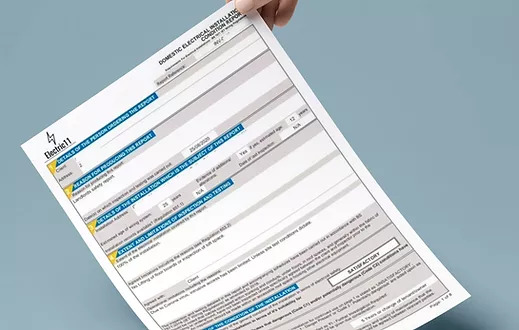
An unsatisfactory EICR means the inspection found one or more issues that need attention. The next step depends on the severity of the observations.
Some issues can be fixed quickly, such as replacing a damaged accessory, correcting a minor wiring problem, improving labelling, or repairing a faulty circuit. Other issues may require more detailed investigation, consumer unit replacement, remedial electrical work, or rewiring.
The important point is not to ignore the report. An unsatisfactory EICR gives you a practical route map. It shows which risks need urgent attention and which improvements can be planned.
If your report mentions tripping circuits, damaged wiring, loss of power, overheating, or unexplained faults, Electric11’s fault finding service can help identify the cause and recommend the safest next step. If the issue is urgent, Electric11 also provides support for electrical emergencies across Norfolk.
How Often Should You Get an EICR?
For rented properties in England, landlords are generally required to have the electrical installation checked at least every five years.
For homeowners, a common recommendation is at least every 10 years, or sooner when you move into a new property, notice warning signs, complete major renovations, or have concerns about older wiring.
Commercial properties may need more frequent testing depending on the type of premises, level of use, risk profile, insurer expectations, and previous report recommendations.
The date on your last report is important, but it should not be the only factor. A property that has been altered, damaged, heavily used, or affected by water ingress may need inspection sooner than a property with a recent, satisfactory report and no changes.
Is an EICR Worth It for Homeowners?
Yes, especially if you want to understand risk before it becomes a costly problem. Homeowners sometimes assume EICRs are only for landlords, but that misses the bigger picture.
An EICR can help you make better decisions before buying a property, renovating a kitchen, installing an EV charger, adding solar panels, replacing a consumer unit, or investing in a rewire. It can also give you peace of mind if the property is older or you do not know when the electrics were last checked.
A boiler service is routine for many homeowners. Electrical inspections deserve similar attention because wiring can deteriorate quietly over time. You may not see the problem until a breaker trips repeatedly, a socket overheats, or a circuit fails.
Choosing the Right Electrician for an EICR
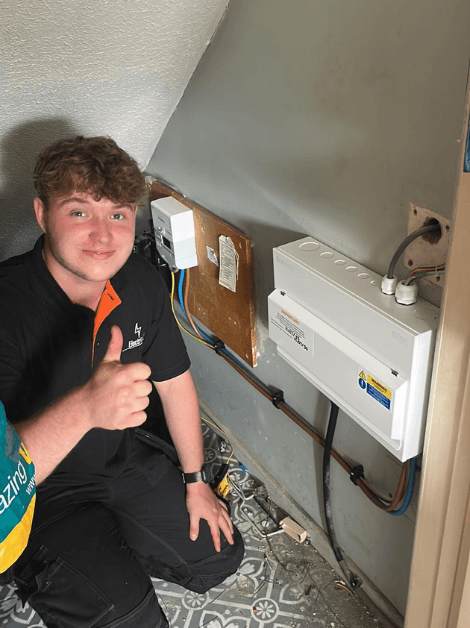
An EICR should be completed by a properly qualified and competent electrician. This matters because the report is only as useful as the inspection behind it.
When choosing an electrician, look for relevant qualifications, professional registration, local experience, clear pricing, good communication, and a willingness to explain the report in practical terms. You do not just want a document. You want advice you can act on.
Electric11 is a local Norfolk electrical company supporting homeowners, landlords, property managers, and businesses with EICRs, consumer units, rewires, fault finding, EV chargers, solar installations, and general electrical work. You can also browse recent Electric11 case studies to see examples of completed electrical and energy projects across Norfolk.
Do You Really Need an EICR Certificate?
If you are a landlord, the answer is usually yes because electrical safety testing is a legal duty. If you are a homeowner, buyer, seller, or business owner, an EICR may not always be legally required, but it can still be one of the most useful safety checks you arrange.
The real value of an EICR is clarity. It tells you what condition your electrics are in, what needs attention, and what can be planned for the future. It can uncover hidden safety risks, support compliance, help with property decisions, and reduce the chance of electrical problems being ignored until they become urgent.
If you need an EICR certificate in Norfolk, Electric11 can inspect your property, provide a clear report, and advise on any remedial work required.
Send us a message
"*" indicates required fields

