
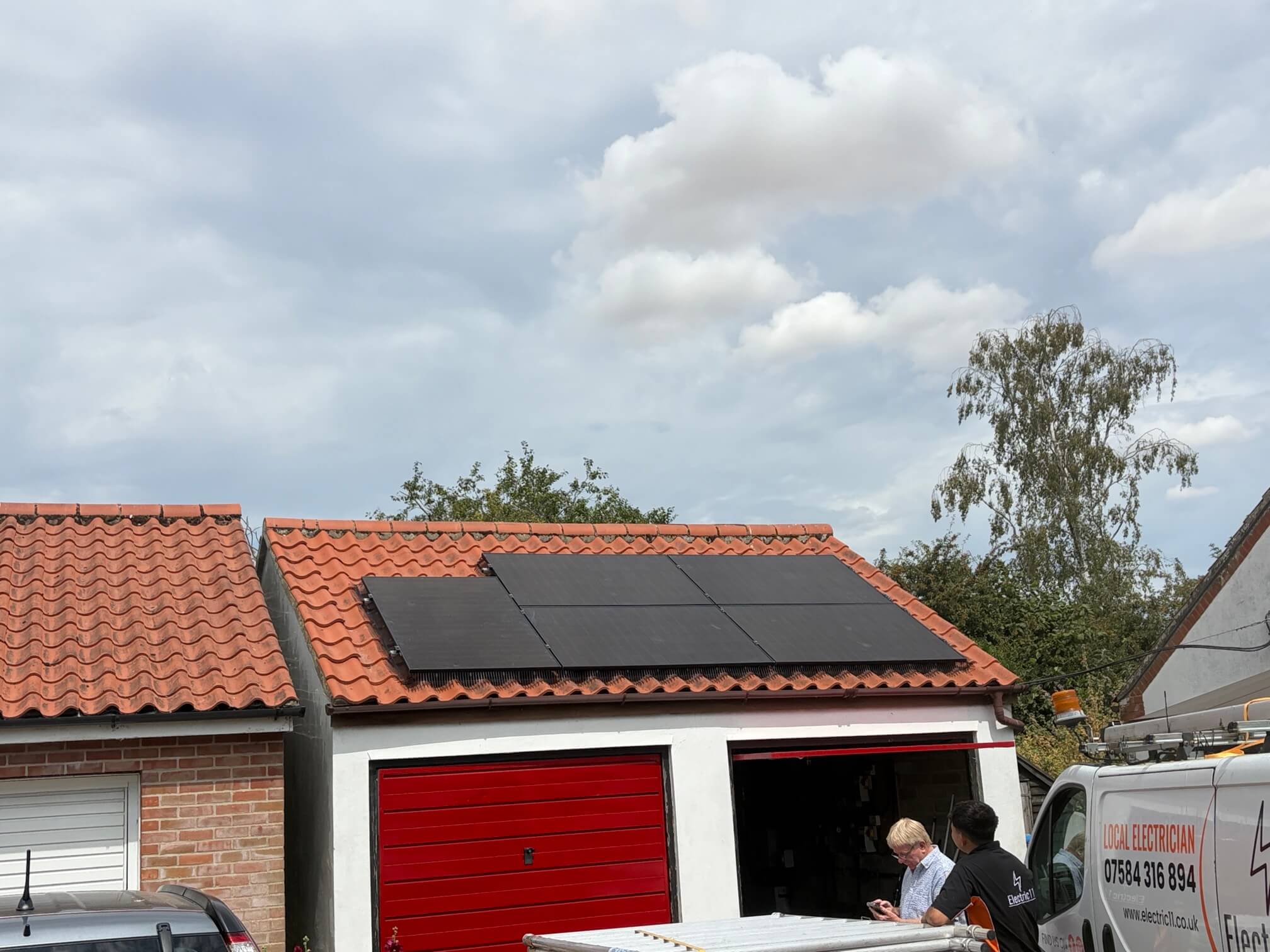
Garage-Roof Solar and Fox ESS Battery Installation near Diss




Electric11 installed a garage-roof solar PV system with a 3.6 kW hybrid inverter and 11.52 kWh Fox ESS battery near Diss. The system allows the homeowner to generate renewable electricity, store surplus power for later use and reduce reliance on the grid. Dedicated protection, new cabling and careful integration with the property’s existing house and annexe electrical infrastructure completed the installation.
Project Overview
| Project detail | Specification |
| Location | Diss area |
| Property type | Residential property with a detached garage and annexe supply |
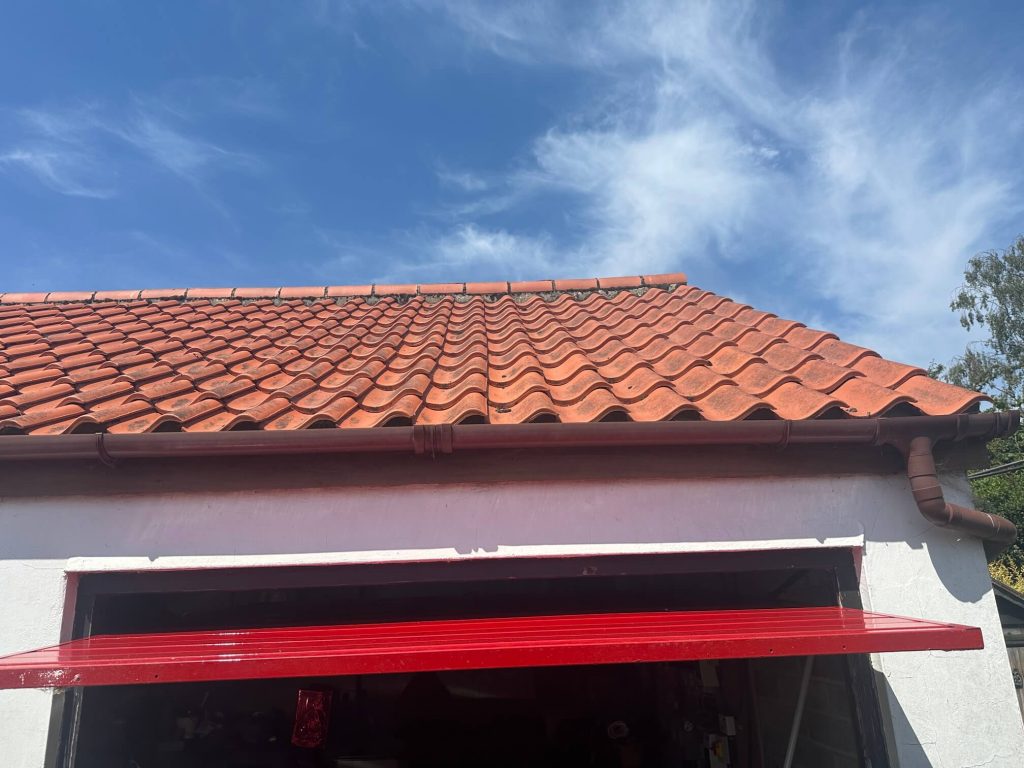
| Solar location | Pitched tiled garage roof |
| Hybrid inverter | 3.6 kW |
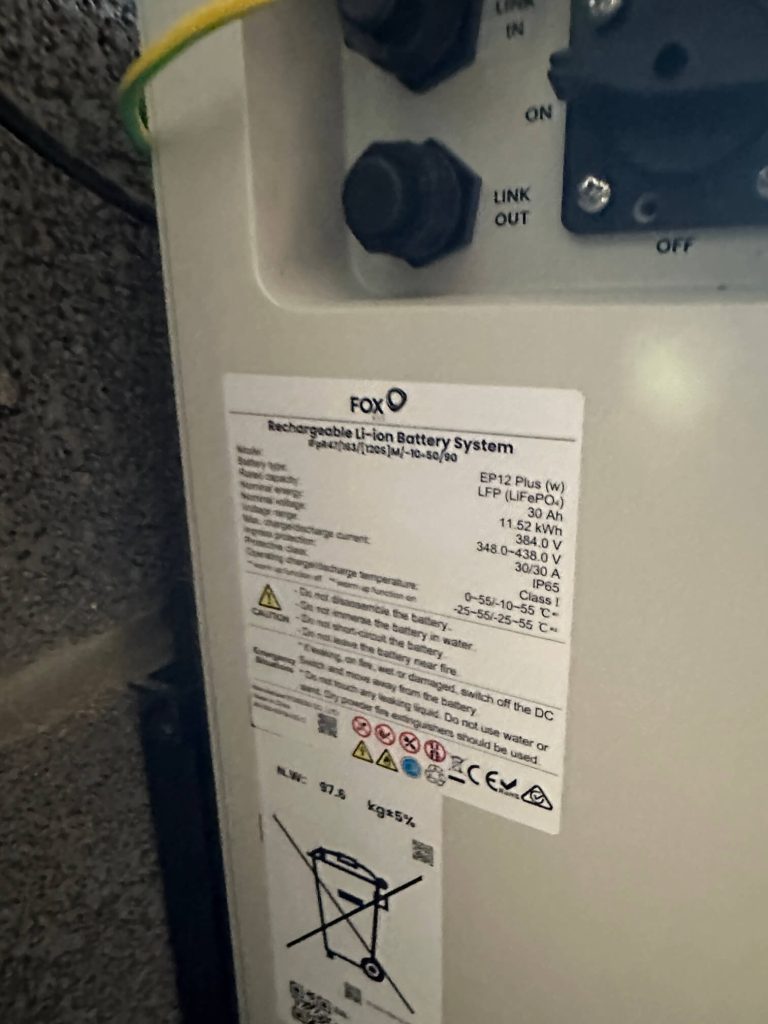
| Battery | Fox ESS EP12 Plus |
| Battery capacity | 11.52 kWh nominal |
| Main work | Garage-roof solar PV, hybrid inverter, battery storage and electrical integration |
Homeowners considering a similar project can learn more about our solar panel installation service in Diss and home battery storage in Diss.
The Customer’s Goal
The homeowner wanted to make productive use of the garage roof and reduce reliance on grid electricity. Adding battery storage meant surplus solar generation could be retained for use later in the day instead of being exported immediately.
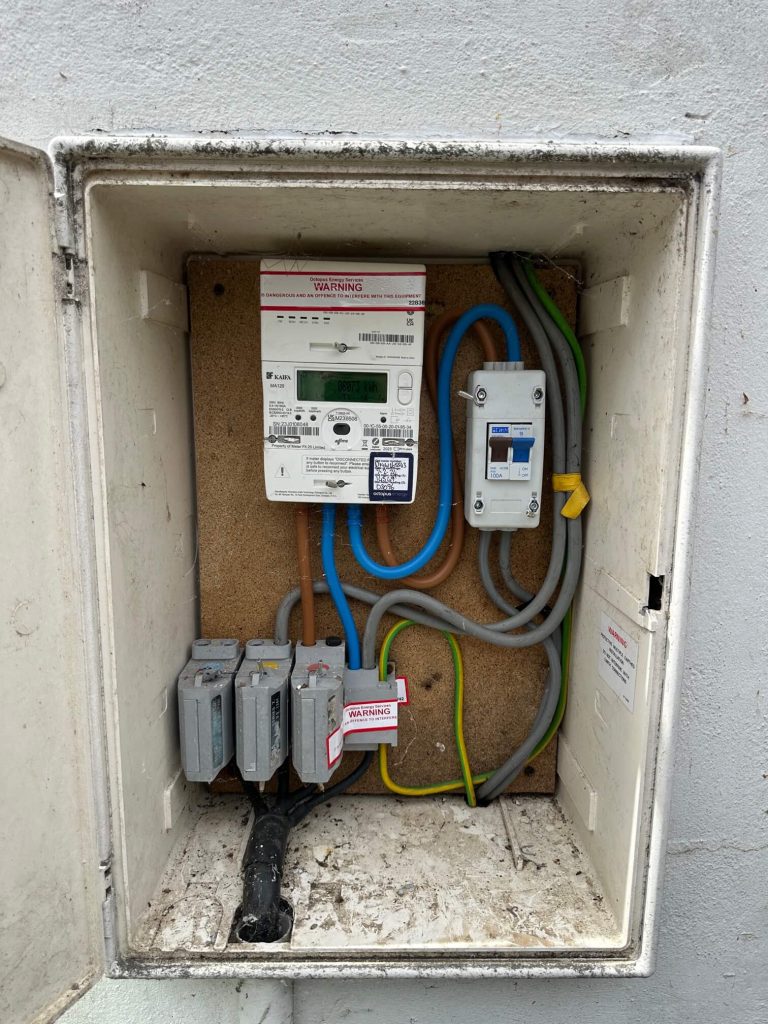
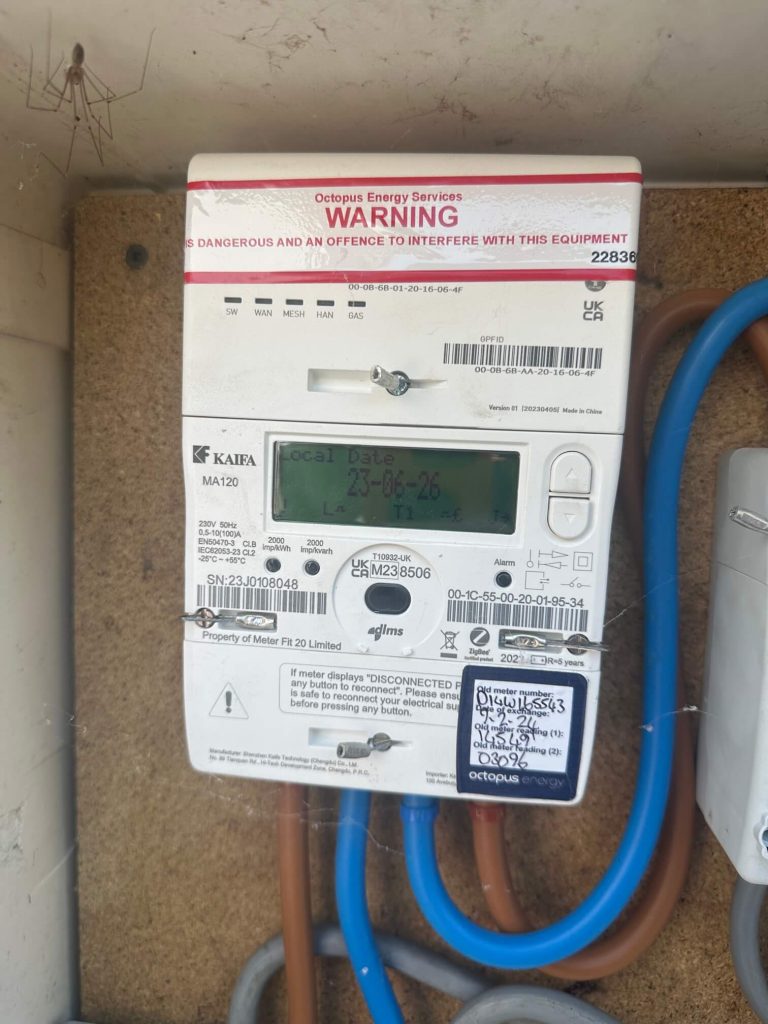
The existing house and annexe electrical equipment also needed to be considered as part of the design. A detailed survey allowed the team to plan the new solar connection, protection and metering around the property’s established supplies.
The Solution
Electric11 specified a hybrid solar and storage arrangement centred on a 3.6 kW inverter and a Fox ESS EP12 Plus lithium iron phosphate battery. The battery label confirms a nominal capacity of 11.52 kWh and IP65 ingress protection, making it suitable for the selected installation position when fitted in line with the manufacturer’s requirements.
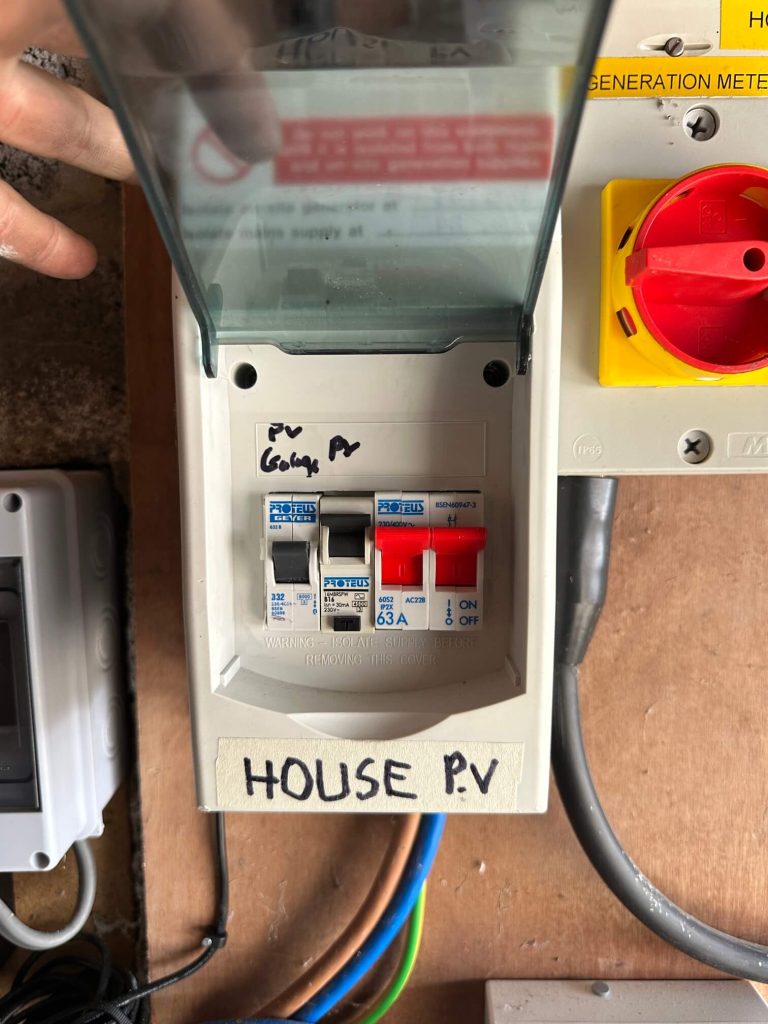
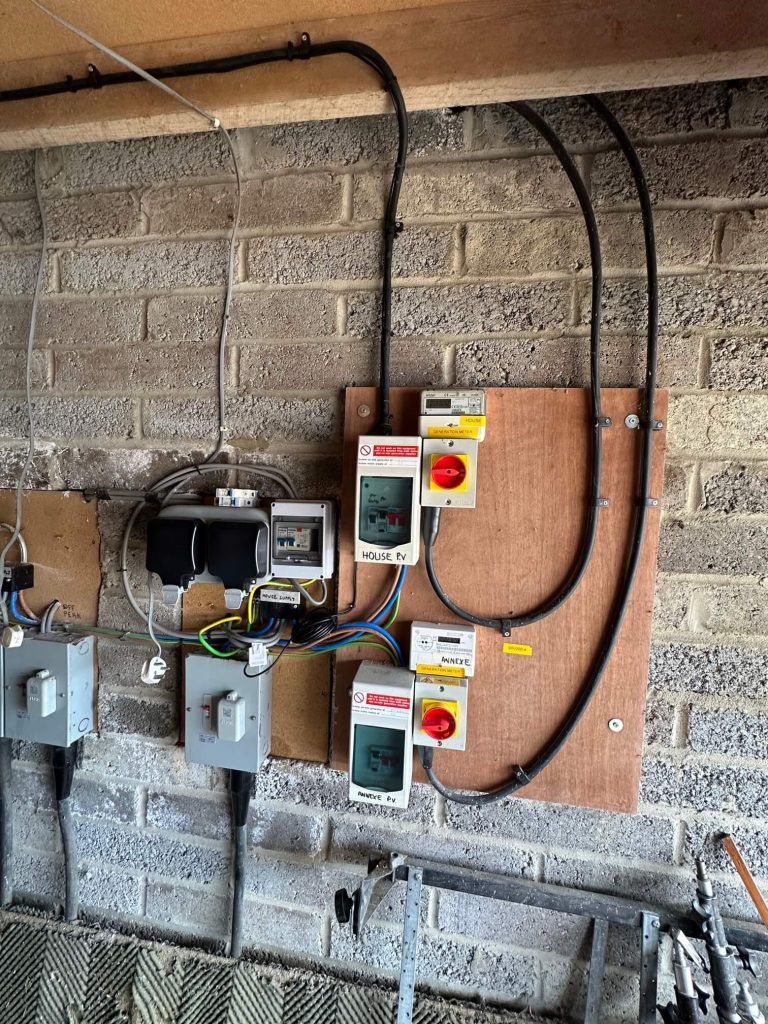
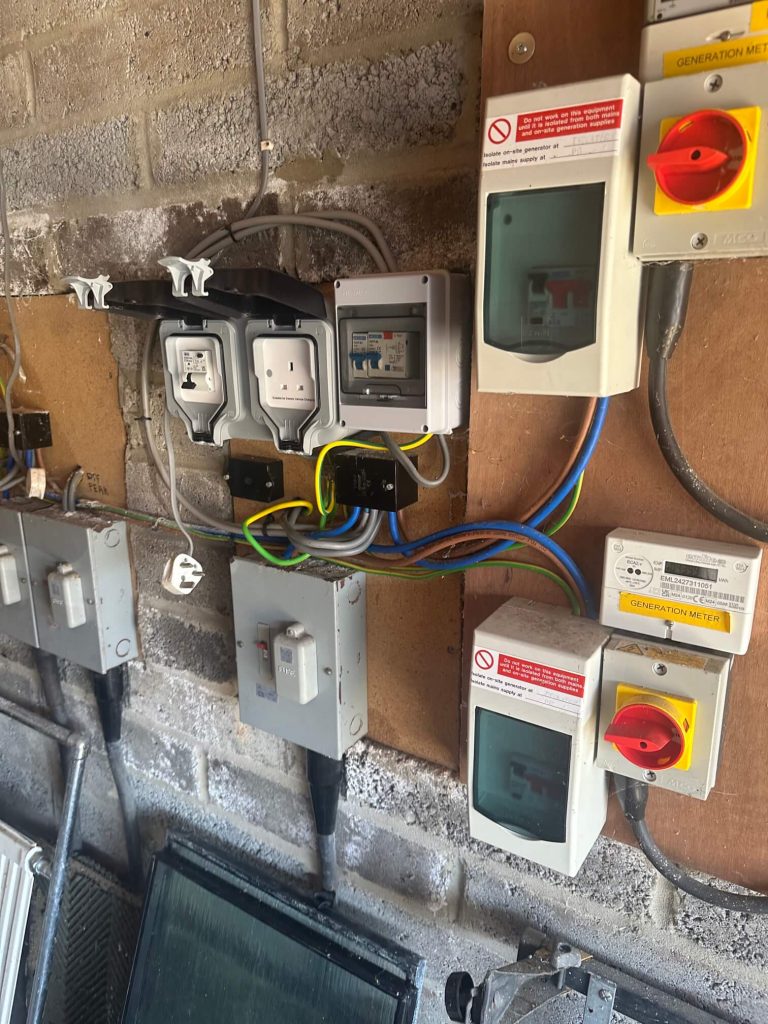
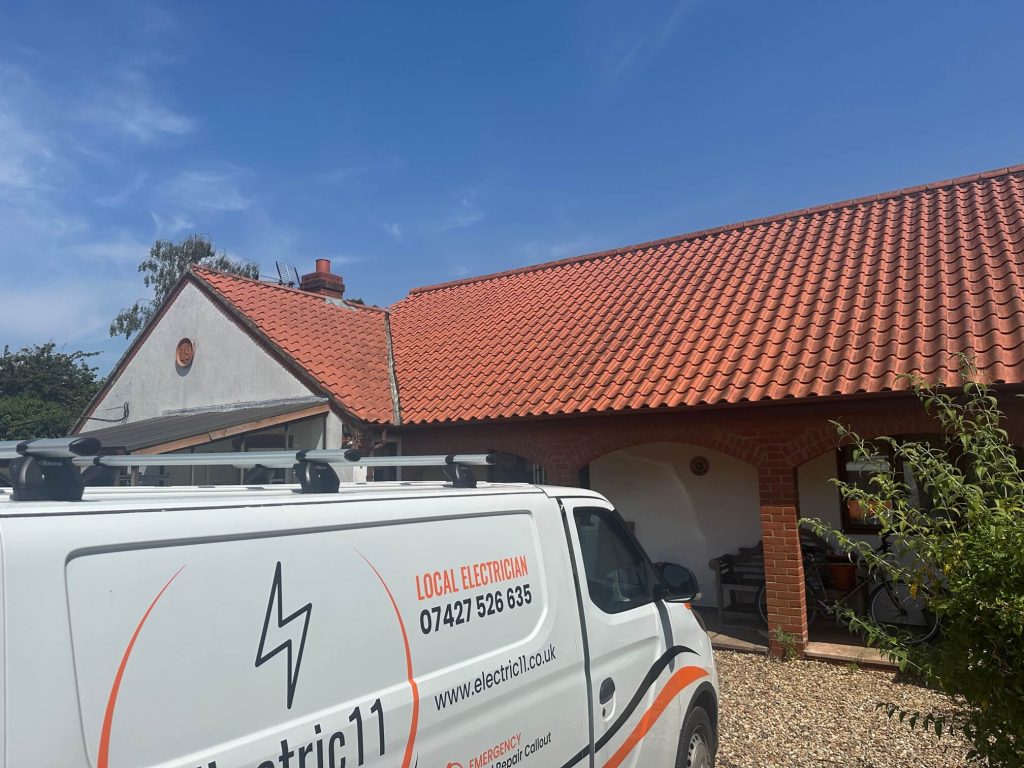
The solar array was mounted on the tiled garage roof. New cabling was routed to the garage electrical area, where the team integrated the system with the existing house and annexe PV controls, generation metering and isolation equipment. Dedicated circuit protection and clearly identified isolators provide safe access for operation and future maintenance.
Customers comparing options can review our guide to solar panel installation costs in Norfolk and our wider electrical services.
Estimated Performance and Savings
The available job information does not include the final module wattage or design forecast. For content-planning purposes, a four-panel array using 430 W modules would have an assumed capacity of 1.72 kWp and could generate about 1,550 kWh in a typical year near Diss.
Battery storage can increase the proportion of solar electricity used within the property. On the assumptions listed above, the system could provide an estimated £377 in annual electricity value and avoid about 320 kg of grid-related CO2e each year. Roof orientation, shading, weather, household demand, battery settings and tariffs will affect actual results.
Our solar panel maintenance service in Diss can help owners keep an existing system checked and performing as intended.
The Result
The homeowner now has a garage-roof solar array connected to a hybrid inverter and substantial Fox ESS battery storage. The completed system brings generation and storage together while working with the property’s existing house and annexe electrical infrastructure.
The installation also leaves the main components, isolators and protection accessible for future inspection or maintenance. More examples of our work are available in the Electric11 case studies.
Planning a solar and battery installation near Diss?
Electric11 provides solar, battery storage and supporting electrical work across Diss and the surrounding Norfolk area. Speak with our electricians in Norfolk or contact Electric11 to arrange a survey and discuss a system suited to your roof, electricity use and budget.
Get Your Solar and Battery QuoteElectric11 is composed of a team of local electricians based in Attleborough, offering coverage to the entire Norfolk region. Moreover, through our extensive network, we have forged strong connections with quality tradesmen representing various disciplines in our area.

The Electric11 Solar and Battery Installation Process
Solar and battery projects need coordinated roof, electrical and storage planning. For this installation, the work was divided into four clear stages.
Roof, meter and electrical survey
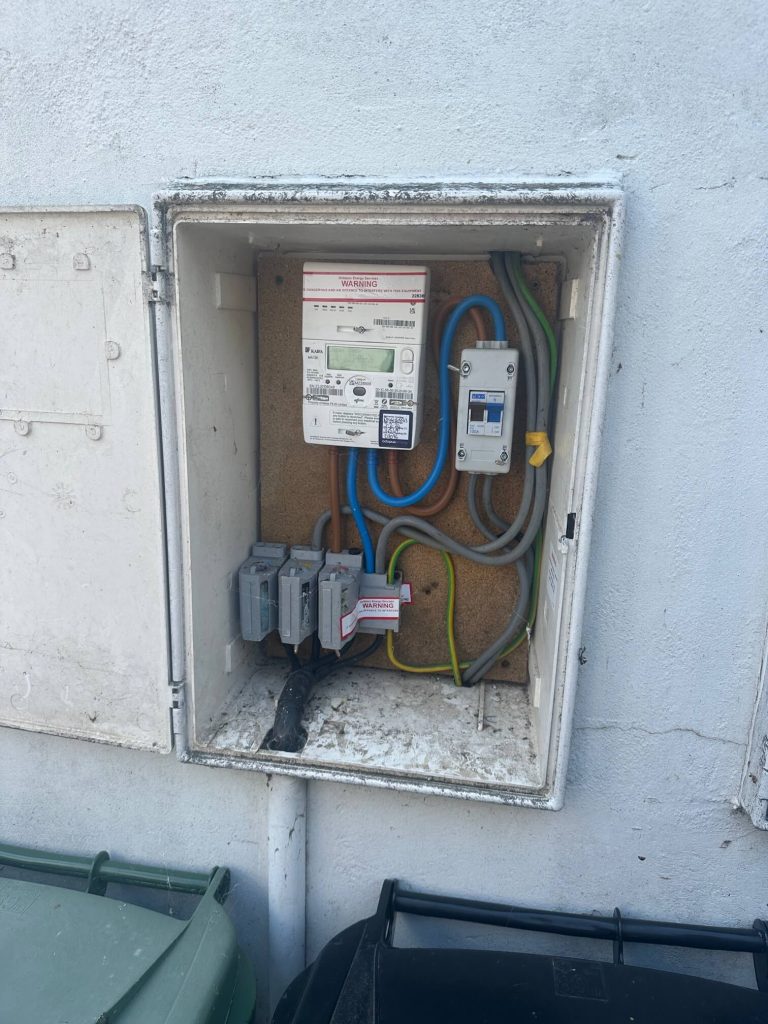
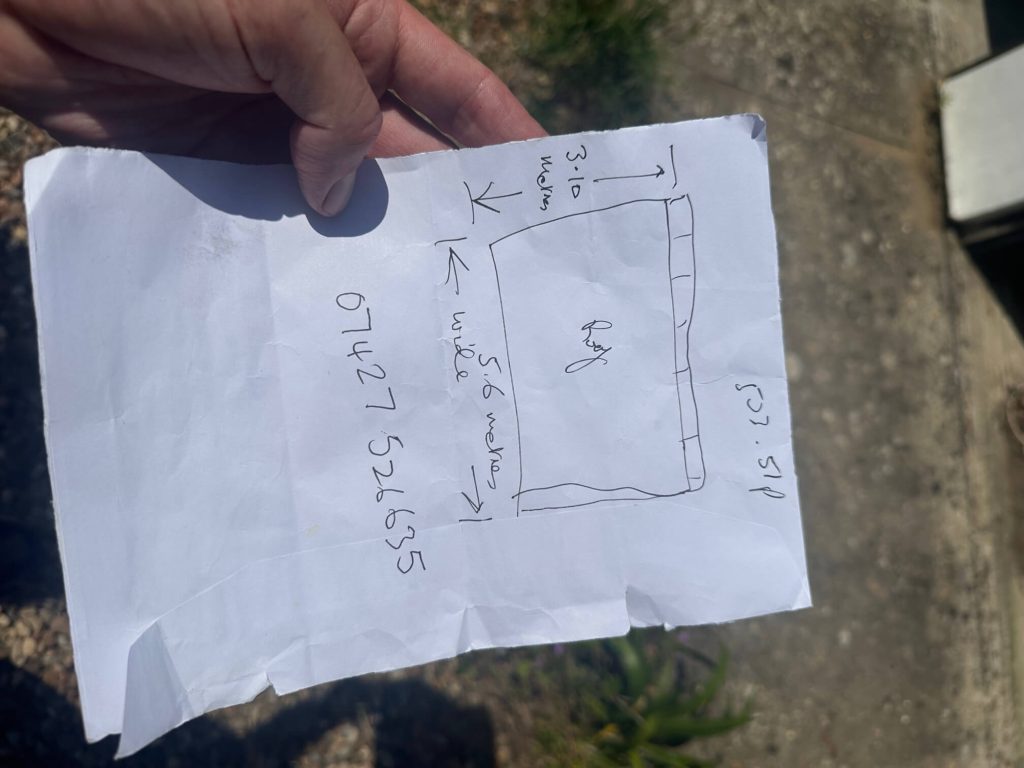
The team measured the garage roof, checked the tile condition and reviewed practical panel positions. Existing meter equipment, house and annexe supplies, generation meters and isolators were inspected so the new system could be integrated safely.
Array layout and system design
The roof dimensions, available mounting area and cable routes informed the solar layout. The 3.6 kW hybrid inverter and Fox ESS battery were planned as a coordinated system, with suitable locations selected for access, ventilation, isolation and maintenance.
Solar, battery and protection installation
The solar modules were fitted to the garage roof using a mounting system suited to the tiled covering. The inverter, 11.52 kWh battery, DC and AC isolators, cabling, metering connections and circuit protection were then installed and labelled.
Completion checks and handover records
The completed system was prepared for operational checks and customer handover. Add the confirmed test results, commissioning record, MCS certificate and electrical certificate numbers here once the project documents have been reviewed; the supplied summary does not confirm those details.
Electric11 installed a solar array on the garage roof, a 3.6 kW hybrid inverter and a Fox ESS EP12 Plus battery with 11.52 kWh nominal storage. The work also included electrical integration, isolation and dedicated protection.
Kilowatts describe the inverter’s power rating, while kilowatt-hours describe the battery’s energy capacity. They measure different parts of the system and should not be compared as the same value.
The planning estimate is about 1,550 kWh per year. It assumes four 430 W panels and a local yield of 900 kWh per kWp. The final panel schedule and design forecast should replace this assumption when available.
The garage provided a usable pitched roof close to the electrical equipment. The final position was selected after measuring the available area, checking the tiled roof and reviewing cable routes and access.
The battery can store surplus generation produced during daylight hours and release it when household demand is higher. This can reduce the amount of electricity imported from the grid, subject to the system settings and the customer’s usage pattern.
The supplied project summary does not confirm the final MCS, electrical certification or EICR details. These references should be added only after the relevant completion documents have been checked.
No. They are illustrative estimates based on assumed panel output, self-consumption, tariffs and a grid carbon factor. Weather, shading, electricity use, battery operation and future tariffs will change the actual outcome.

