
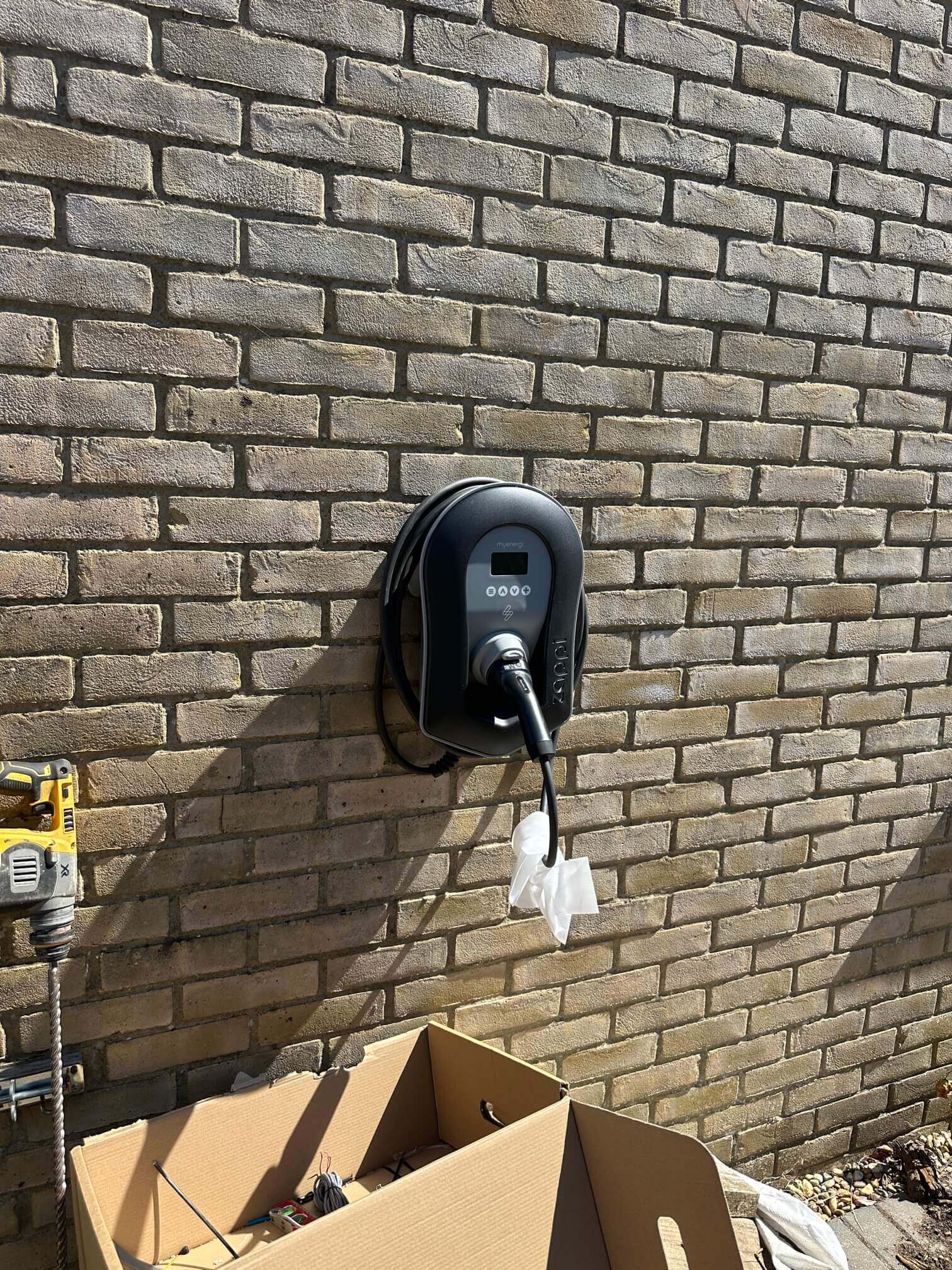
7 kW Zappi EV Charger Installation in Wymondham




Electric11 installed a Zappi EV charger at a home in Wymondham, providing the customer with a safe, convenient and energy-efficient way to charge their electric vehicle. After assessing the property’s electrical supply and selecting a practical charger location, our team completed the installation, testing and commissioning to ensure reliable everyday use. This case study explains the work involved and shows the finished result.
Project Overview
| Detail | Specification |
|---|---|
| Location | Wymondham, Norfolk |
| Charger | Customer-supplied Myenergi Zappi |
| Charger output | 7.0 kW |
| Connection | Tethered |
| Cable route | Approximately 15 metres |
| Circuit protection | Type A RCBO and surge protection device |
| Energy monitoring | CT monitoring configured for surplus-solar prioritisation |
The Customer’s Requirements
The homeowner wanted a customer-supplied 7 kW tethered Zappi charger installed at their Wymondham property. The charger needed to provide convenient home charging while working with the property’s existing solar generation.
The project required more than mounting the charger. Electric11 also needed to assess the existing electrical supply, plan an approximately 15-metre cable route and configure energy monitoring so the Zappi could respond to electricity imported from or exported to the grid.
Customers considering a similar project can learn more about Electric11’s home EV charger installation service.
Assessing the Existing Installation
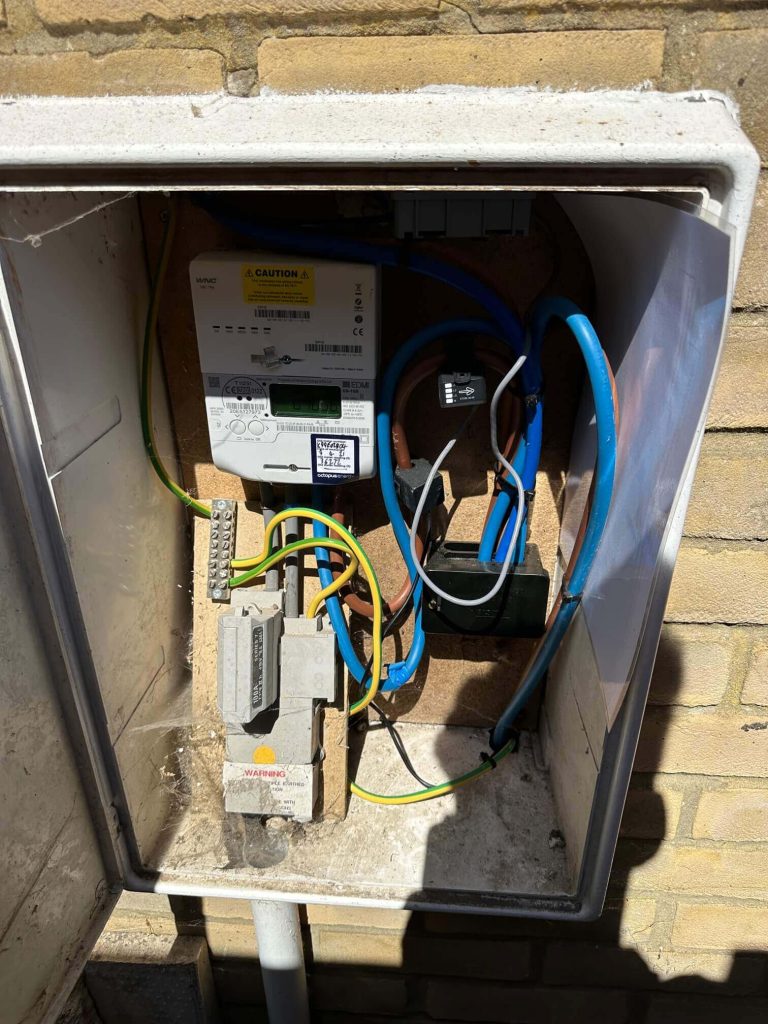
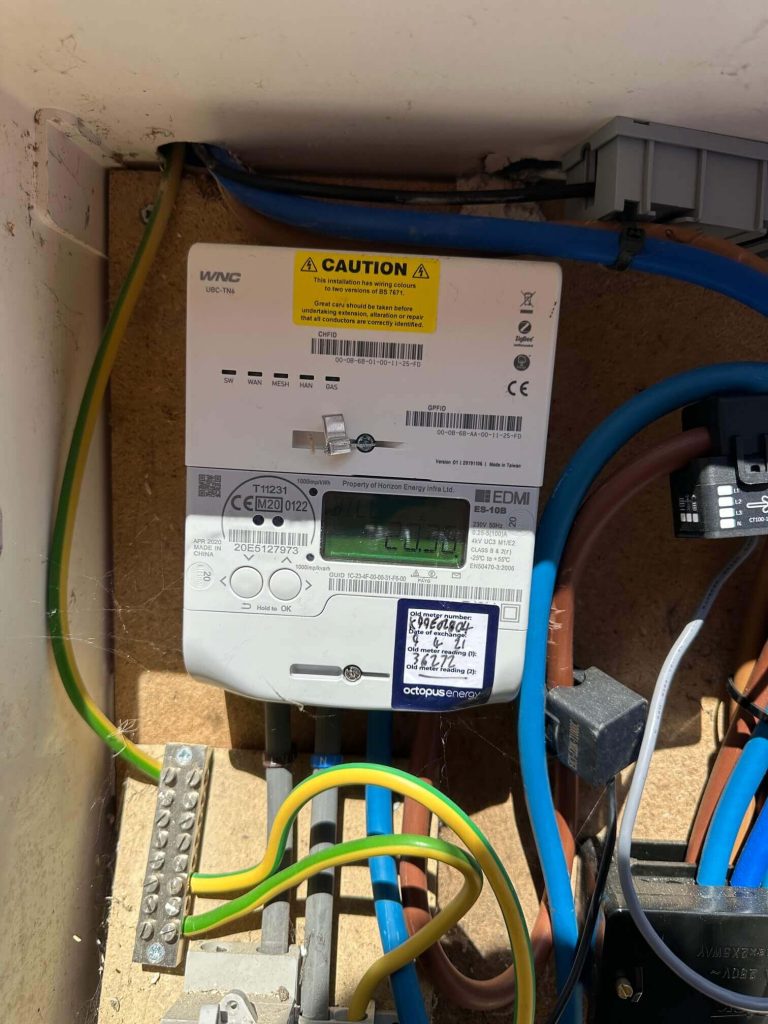
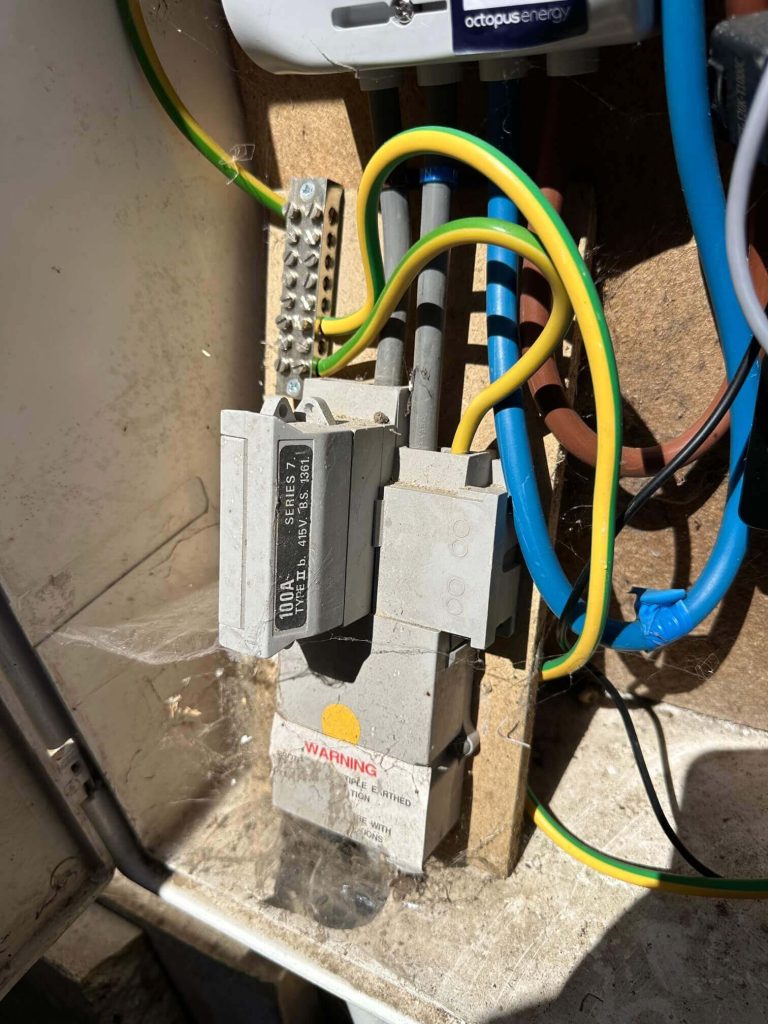
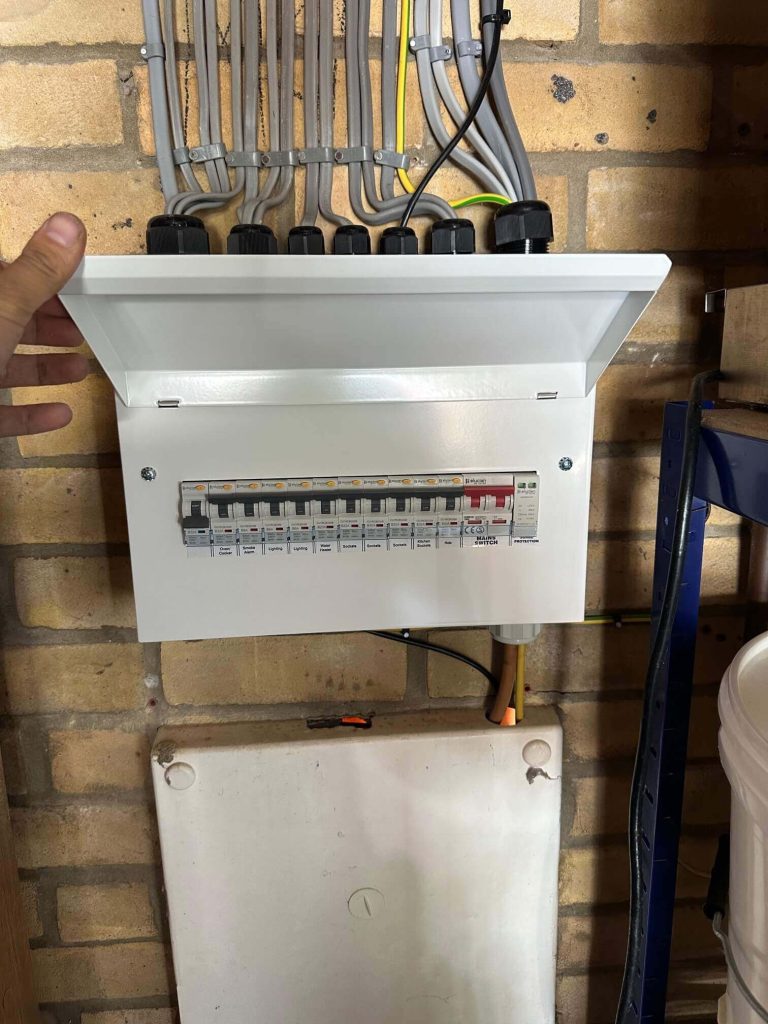
Before beginning the installation, the team inspected the main meter position, earthing arrangements and existing distribution equipment.
This assessment helped determine a suitable cable route from the supply position to the charger location on the exterior brick wall. It also allowed the team to identify the protection and monitoring equipment needed for a reliable installation.
Installing the 7 kW Zappi charger
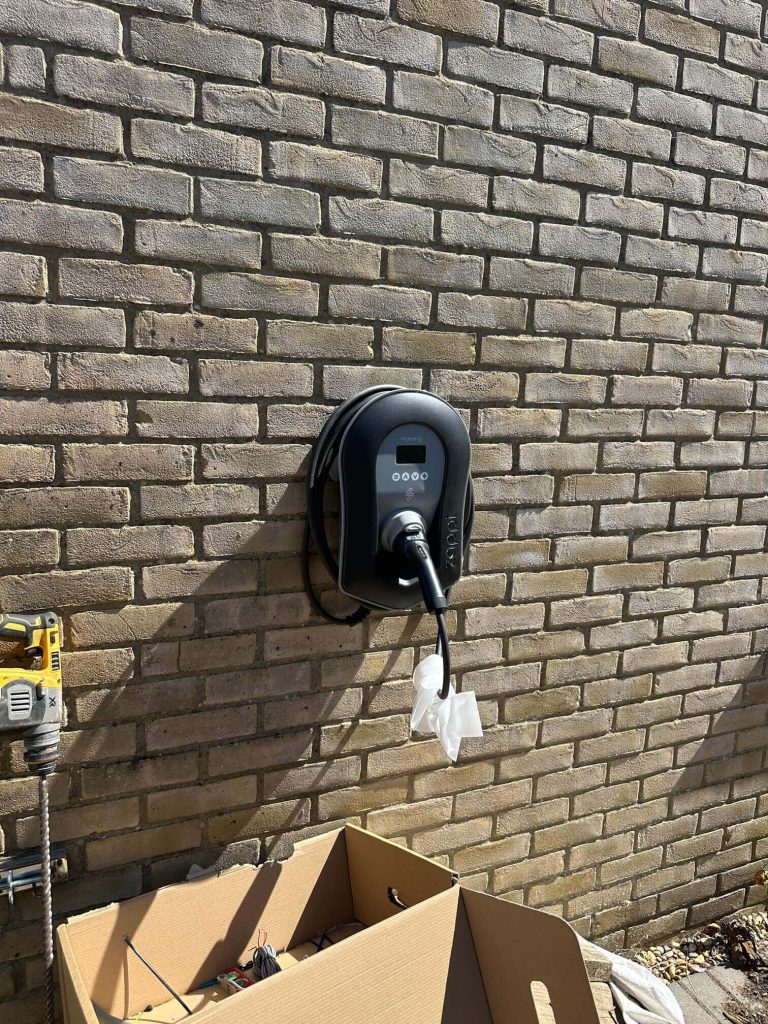
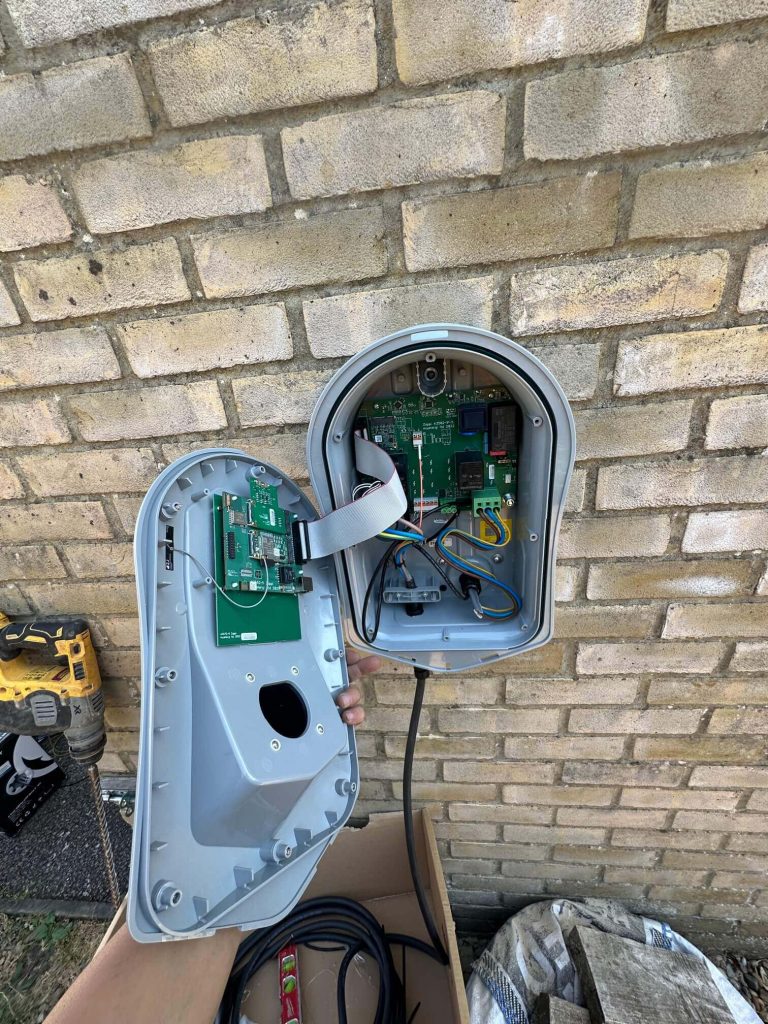
The tethered Zappi was securely mounted in an accessible position outside the property. Approximately 15 metres of cabling was installed between the main electrical supply and the charger.
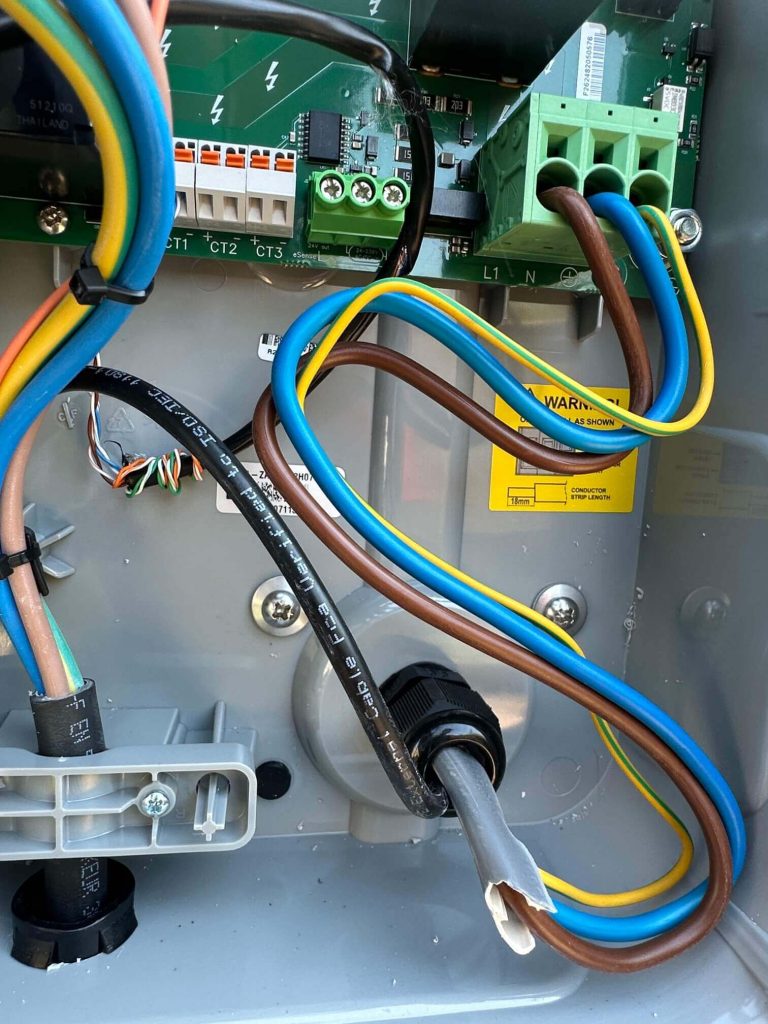
A Type A RCBO was installed to provide dedicated circuit and residual-current protection. Surge protection was also incorporated to help protect the charger and associated electrical equipment against transient overvoltages.
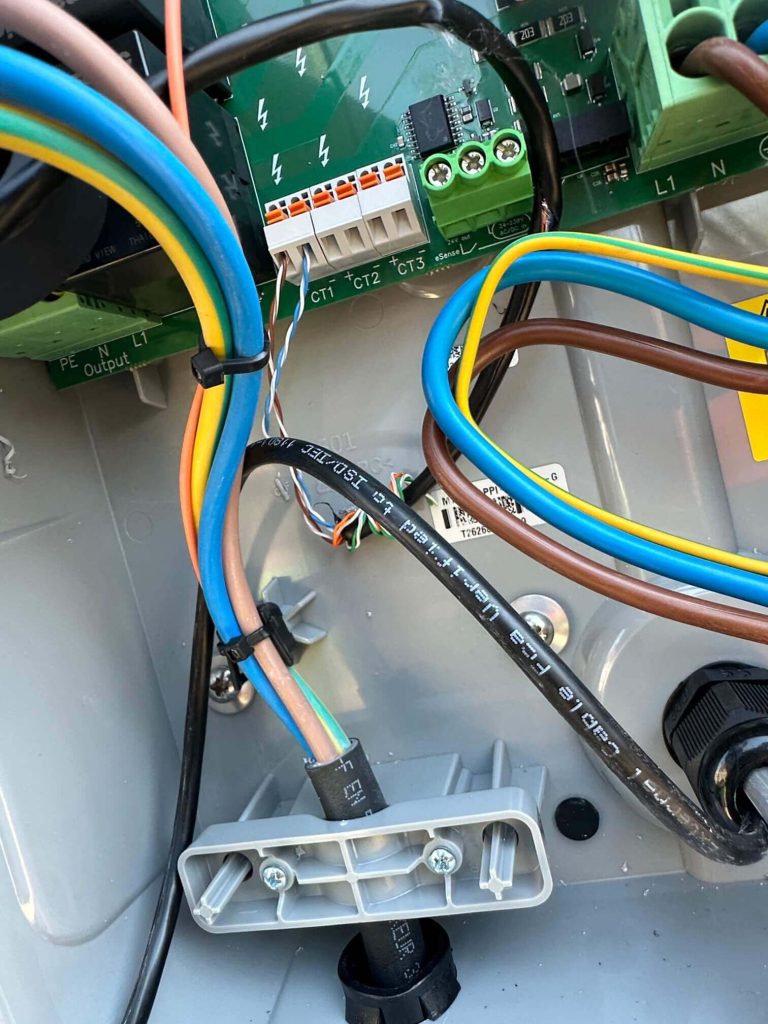
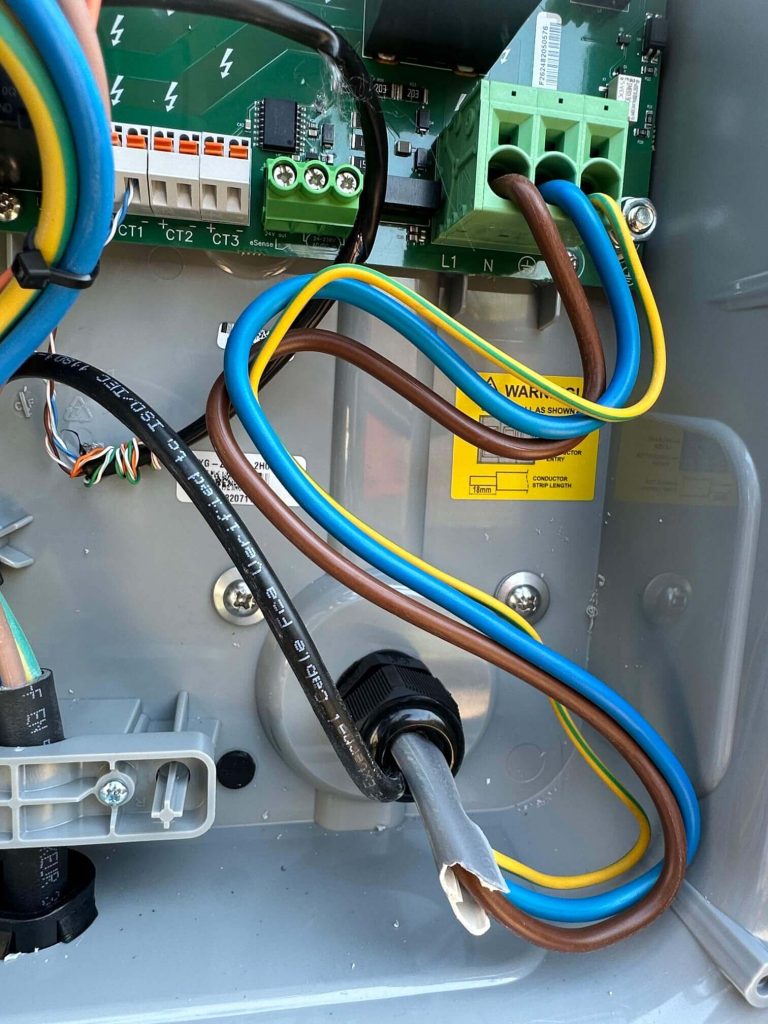
The cable entries, terminals, earthing and internal charger connections were completed carefully before the unit was reassembled.
Connecting the Charger to the Solar System
CT clamps were installed and connected to the Zappi’s monitoring terminals. These allow the charger to measure the direction of energy flow and distinguish between electricity being imported from the grid and surplus energy being exported by the property’s solar system.
Once configured, the Zappi’s compatible charging modes can prioritise surplus solar electricity when it is available. This gives the homeowner greater control over when and how the vehicle is charged.
Homeowners interested in generating electricity for their charger can also explore Electric11’s solar PV installation service.
Configuration and Handover
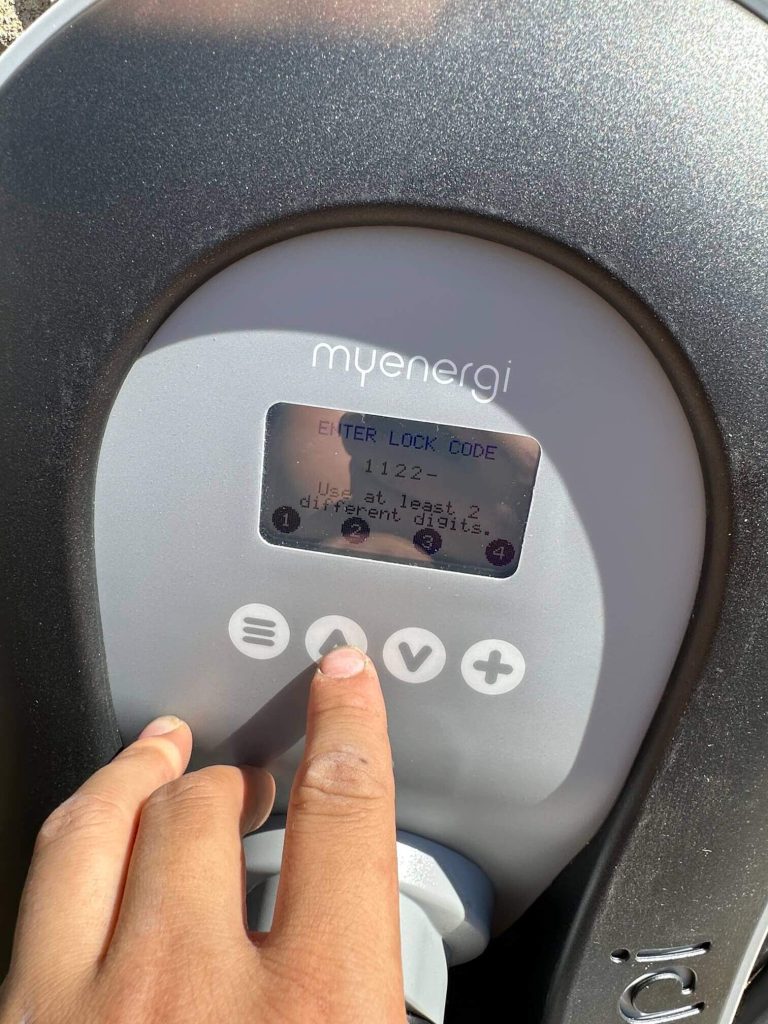
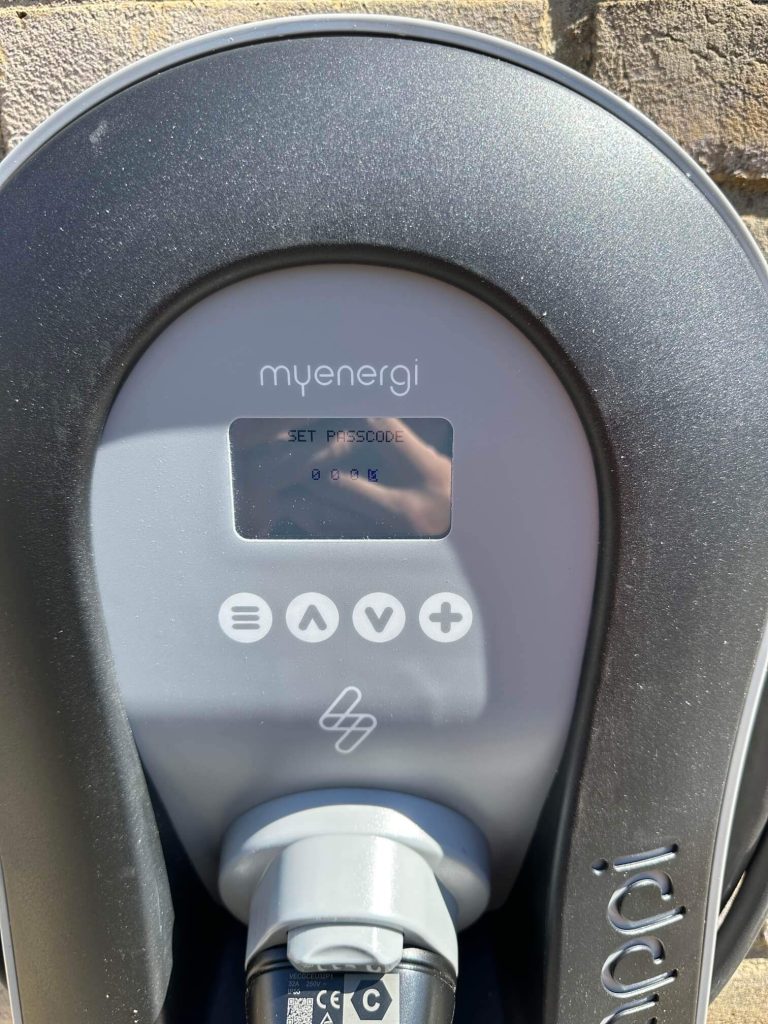
The charger’s operating and security settings were configured following installation. The team checked the charger supply, monitoring connections and communication with the CT clamps before handing the system over.
For privacy and security, charger lock codes, setup passcodes and equipment serial numbers should not be visible in photographs published online.
The Result
The homeowner now has a dedicated 7 kW tethered Zappi charger with a convenient permanent charging lead. Its solar-monitoring configuration provides the option to use surplus renewable electricity when suitable generation is available.
Dedicated RCBO and surge protection provide appropriate electrical protection for the new circuit, while the planned cable route keeps the installation practical and unobtrusive.
A similar project can be viewed in Electric11’s Zappi EV charger installation in Norton.
Book Your Free EV Charger SurveyElectric11 is composed of a team of local electricians based in Attleborough, offering coverage to the entire Norfolk region. Moreover, through our extensive network, we have forged strong connections with quality tradesmen representing various disciplines in our area.
The Electric11 EV Charger Installation Process
Electric11 plans every EV charger installation around the property, vehicle and existing electrical supply.
Supply and site assessment
The team inspects the incoming supply, earthing, meter position, consumer unit and proposed charger location. Any existing solar equipment is also considered during the assessment.
Transparent quotation and cable planning
A clear quotation is prepared around the required charger, protection equipment and cable route. The proposed route is discussed before work begins to minimise disruption.
Protected installation and solar integration
The charger and dedicated cabling are installed with the necessary circuit and surge protection. Where required, CT clamps are fitted and configured to monitor grid import, export and surplus solar generation.
Configuration, checks and handover
The charger is configured for the customer’s requirements and its operation is checked. The customer is then shown how to use the charger’s principal controls and charging modes.
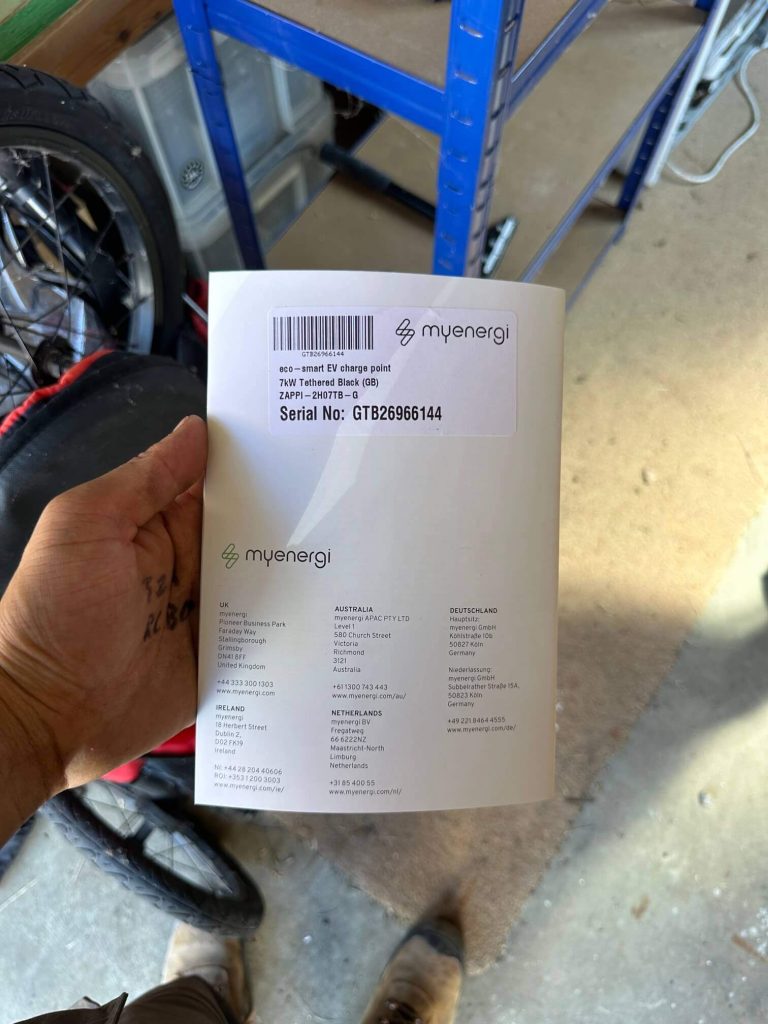
Electric11 installed a customer-supplied black 7 kW tethered myenergi Zappi EV charger.
Yes. CT clamps were configured to monitor grid import and export, allowing compatible Zappi charging modes to prioritise surplus solar electricity when it is available.
The dedicated charger circuit was provided with a Type A RCBO and surge protection.
Approximately 15 metres of cabling was installed between the main supply position and the charger.
No. The cable route, protection equipment, earthing requirements and solar-monitoring configuration depend on the property’s existing electrical installation.

